People sharing biscuits over a hot drink
A dark chocolate digestive offers a familiar biscuit format for a casual Valentine’s Day treat. Check the pack weight if several people will be sharing.


Choose the biscuit format that suits the recipient, then check the chocolate declaration on the pack: a dark coating alone does not establish how much cocoa the chocolate contains. A digestive suits casual sharing, while a crisp butter biscuit, caramel-centred round or chunkier cookie offers a different texture; check pack size and allergens before gifting.
A dark chocolate digestive offers a familiar biscuit format for a casual Valentine’s Day treat. Check the pack weight if several people will be sharing.
Caramel-centred rounds and cookies with dark chocolate chunks offer different textures from a plain coated digestive. Choose the format the recipient is likely to enjoy, rather than relying on the word “dark” alone.
An own-label dark chocolate digestive is another option when the biscuit style matters more than a branded presentation. Compare its chocolate declaration, pack size and allergen label with those of other digestives.
Start with the recipient’s preferred biscuit texture, then check what the chocolate percentages describe and whether the pack suits the occasion.
| Priority | What to check | Your needs |
|---|---|---|
| Chocolate declaration | Look for dark chocolate in the ingredients. Check whether a percentage describes the proportion of chocolate in the biscuit or the minimum cocoa solids in that chocolate; they are different measures. | I want to know what “dark” means on this particular pack, especially if the recipient has a preference for a stated cocoa level. |
| Biscuit texture | Choose between a wheatmeal digestive, crisp butter biscuit, caramel-centred round or cookie with chunks and coating. Check the description rather than assuming they eat alike. | For tea and biscuits, a plain digestive may be the right fit; for a small treat, I might choose a filling or chunkier cookie instead. |
| Allergens | Read the current pack’s ingredients and precautionary statements. The Food Standards Agency says allergens present in prepacked food must be emphasised in its ingredients list. | Before I give biscuits to someone with an allergy, I need to check the actual pack against the allergens they avoid. |
| Pack size | Compare the stated weight and, where shown, biscuit count. Consider whether the pack is intended for one recipient or for sharing. | A small pack could suit an individual gift, but I would check the quantity before putting biscuits out for a group. |
Retailer listings use different measures. Tesco describes Bahlsen Choco Leibniz as biscuits set in 63% dark chocolate, while Sainsbury’s states that the dark chocolate in its own-label digestives contains at least 35% cocoa solids. Those percentages do not describe the same thing.
Read what each percentage refers to on the current pack before comparing biscuits for a particular cocoa preference.
Dark chocolate biscuits can contain ingredients such as wheat, milk or soya, and individual packs may also carry precautionary allergen statements. A familiar product name does not settle suitability for a particular recipient.
Ask about allergies before buying, then read the physical pack’s ingredients and “may contain” wording before gifting or serving.
A small pack of caramel-centred rounds and a larger pack of digestives serve different occasions, even though both are dark chocolate biscuit options.
Check the weight or biscuit count against the number of people you plan to serve.
These examples show how biscuit formats and chocolate declarations differ; a brand name alone does not establish the contents of every pack it sells.
McVitie’s has both a conventional dark chocolate digestive and a caramel-centred Signature Dark Chocolate Round in the cited UK retailer listings.
Tesco lists Fabulous Half Coated Dark Chocolate Cookies as cookies with dark chocolate chunks and a partial dark chocolate coating.
Tesco describes Choco Leibniz Dark Chocolate as butter biscuits set in dark chocolate.
Tesco’s dark chocolate biscuit listings include an own-label digestive alongside biscuits in other formats.
Sainsbury’s lists an own-label Dark Chocolate Digestive in a 300g pack.
These Joybuy options include two McVitie’s dark chocolate digestive pack formats for sharing and a Nestle KitKat Cacao 72% cookie option for a different biscuit style. Check each current pack’s ingredients and chocolate declaration before gifting.
 No image available
The twin pack offers two 266g packs of dark chocolate digestives for a sharing occasion.
For a recipient with an allergy or a specific cocoa preference, check the current pack’s ingredients and chocolate declaration.
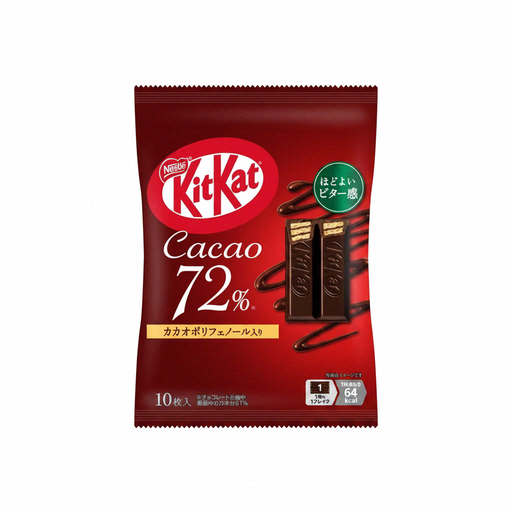 No image available
This cookie option is labelled Cacao 72%, making it worth considering when the recipient wants a stated cacao figure rather than a standard digestive format.
Check the pack to see precisely what the 72% describes, along with its quantity and allergen information, before choosing it for a gift or group.
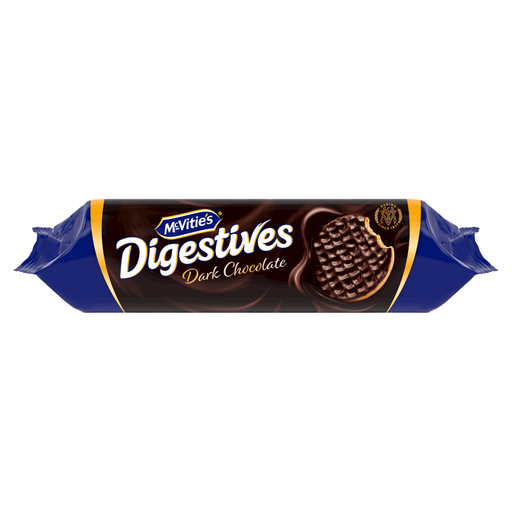 No image available
This 400g pack offers the dark chocolate digestive format for a casual sharing occasion.
If the recipient has a particular cocoa preference or an allergy, check the current pack’s chocolate declaration and ingredients.
No. A percentage may describe how much of the biscuit is dark chocolate or the minimum cocoa solids in the chocolate itself. For example, Tesco describes Bahlsen Choco Leibniz as set in 63% dark chocolate, while Sainsbury’s states a 35% minimum cocoa-solids level for the chocolate in its own-label digestives. Check what the figure refers to on the pack.
Ask which allergens the recipient needs to avoid, then read the current physical pack’s ingredients and precautionary statements. The Food Standards Agency says allergens present in prepacked food must be emphasised in its ingredients list; individual biscuit products can also carry “may contain” warnings.
No. Dark chocolate in a product name does not establish vegan or dairy-free suitability, and the cited biscuit examples include products containing milk ingredients. Check the complete ingredients and any relevant suitability statement on the specific pack.
Follow the storage instructions on the specific pack, including any directions for after opening. Keep the pack closed until you need it if you are buying it in advance.