Hosts with mixed-preference groups
A plain 70% bar gives newcomers and regular dark-chocolate eaters one product to discuss before anyone tries a stronger or flavoured option.


For a book club with mixed tastes, a plain 70% dark chocolate makes a useful shared starting point; add an assortment or a flavoured bar if guests want to compare recipes. A higher-cocoa bar works better as an optional contrast than the only choice. Check the current pack of every product against guests’ dietary requirements and allergies before serving.
A plain 70% bar gives newcomers and regular dark-chocolate eaters one product to discuss before anyone tries a stronger or flavoured option.
Individually wrapped selections or bars with different cocoa levels and inclusions give guests distinct recipes to compare. Check what each selection actually contains.
Check ingredients and allergen wording on each current pack. A dark colour or a vegan-recipe description does not establish suitability for someone with an allergy.
Decide on a shared starting bar, then choose whether another cocoa level or flavour would add something to the discussion. Check dietary suitability for every product, not just the first one.
| Priority | What to check | Your needs |
|---|---|---|
| Cocoa level | Check the stated cocoa percentage and whether the bar is plain. Divine Chocolate and Lindt Shop UK each list a plain 70% bar; Hotel Chocolat also lists 80% and 85% options. | I want everyone to have the same starting point, with a higher-cocoa bar available only if guests want a contrast. |
| Sharing format | Check the number and types of pieces in an assortment, or how you will portion a bar. Lindt Shop UK describes its EXCELLENCE Tasting Collection as individually wrapped and containing both dark and milk recipes. | Guests can compare different pieces, or we can keep things simple by sharing one bar. |
| Allergens and diet | Read each pack’s ingredients, dietary statement and precautionary allergen wording. The Food Standards Agency explains that precautionary wording communicates possible unintended allergen presence. | Someone at the meeting has a dietary requirement or allergy, so I need to check every flavour before serving it. |
| Flavour and sourcing | Check named additions such as cocoa nibs or nuts, and assess sourcing claims for the exact product. Montezuma’s lists cocoa nibs in Lordy Lord; Divine Chocolate describes itself as farmer co-owned. | We would enjoy discussing a particular flavour, texture or sourcing claim alongside the book. |
Ingredients and cross-contact warnings differ between products. Lindt Shop UK says its EXCELLENCE Dark 70% bar is made to a vegan recipe but is not suitable for someone with a milk allergy.
Read the physical pack for each flavour and pack size against attendees’ requirements before serving.
A bar chosen for a stronger cocoa contrast gives a mixed group no plain 70% reference point.
Offer a plain 70% bar first and make the higher-cocoa bar an optional comparison.
Pieces in the same collection can have different ingredients. Lindt Shop UK lists dark, milk and roasted-hazelnut recipes in its EXCELLENCE Tasting Collection.
Keep the box and wrappers available, and identify each piece before sharing it.
Marks & Spencer warns that food information can change, so an online description may not match the pack in hand.
Use the current physical label for the final ingredients and allergen check.
Divine’s plain 70% bar offers a shared tasting reference; the brand also describes itself as farmer co-owned.
Lindt Shop UK lists both a plain EXCELLENCE Dark 70% bar and an individually wrapped tasting collection.
Montezuma’s dark range includes flavoured bars and options with cocoa nibs for a texture comparison.
Hotel Chocolat lists dark-chocolate batons, slabs and selections at different stated cocoa levels.
Marks & Spencer lists a Swiss Extra Fine Dark Chocolate bar with at least 72% cocoa solids.
These bars offer plain, higher-cocoa and fruit-flavoured choices for a book-club tasting. Check the pack of any bar you plan to share, particularly when guests have allergies.
 No image available
A 72% cocoa bar to compare with a plain 70% starting point. Check the current pack for its ingredients and allergen warnings before sharing.
 No image available
A plain 70% bar for a shared starting point before trying other flavours. Check the current pack for milk and nut warnings.
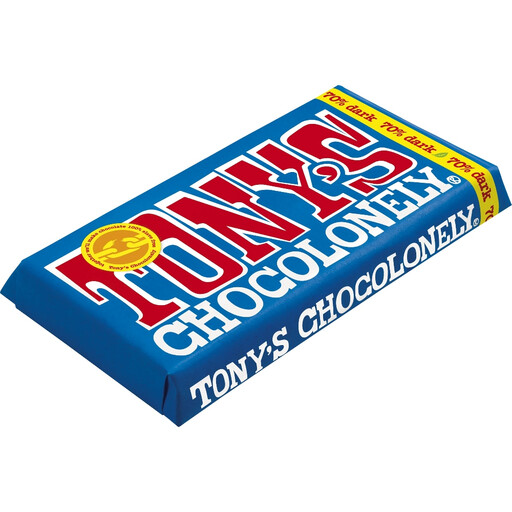 No image available
A plain bar for serving one recipe to the group. Check its current ingredients and allergen wording before portioning it.
 No image available
An 85% cocoa option for guests who want to compare it with a plain 70% bar. Check the physical pack to establish how nuts, milk, soya and sesame are declared before serving it to anyone with an allergy.
No image available
A raspberry-flavoured 70% bar to serve as a contrast to a plain recipe. Do not assume it is suitable for someone with a milk allergy; check the current pack for milk, gluten and nut information.
A plain 70% bar is a useful shared starting point, not a guarantee that everyone will prefer it. Divine Chocolate and Lindt Shop UK both list plain 70% bars; add a higher-cocoa bar if guests want to compare cocoa levels.
Not automatically. Lindt Shop UK says its EXCELLENCE Dark 70% bar is made to a vegan recipe but is unsuitable for people with a milk allergy because it is made in a facility using milk. Check the current pack of the exact product you intend to serve.
Identify every recipe and read its current ingredients and allergen wording before serving it. Lindt Shop UK’s EXCELLENCE Tasting Collection includes dark and milk chocolates as well as a roasted-hazelnut recipe, so do not treat all its pieces as interchangeable.
It can be the main tasting choice if the group specifically wants that flavour, but a plain bar gives guests a separate reference for comparison. Check the particular additions and allergen statement: Montezuma’s says its cocoa-nib Lordy Lord bar contains soya and may contain milk, nuts and peanuts.