Families sharing a mixed box
An assortment offers different flavours for several people. Check which pieces are dark if that choice matters, rather than assuming the whole box is dark chocolate.


For half-term sharing, choose a mixed box if different flavours matter more than having dark chocolate in every piece; Quality Street and Ferrero Collection include dark options, while Lindt Master Chocolate Collection names several dark recipes within a mixed box. If everyone wants dark chocolate, look for a dark-focused box and check the current pack. Cadbury Darkmilk has a declared cocoa level, but it is a bar rather than an assorted sharing box.
An assortment offers different flavours for several people. Check which pieces are dark if that choice matters, rather than assuming the whole box is dark chocolate.
Look for named dark varieties or a cocoa declaration that applies to the chocolate you want. A bar with a clear declaration may answer a different need from a box of assorted pieces.
Read the current pack’s ingredients and precautionary allergen statements before putting chocolates out for a group. Recipes and allergen information differ between assortments.
For home sharing, decide whether dark chocolate needs to be the main choice or just one of several flavours. Then check what any cocoa figure describes, alongside the format and the current allergen label.
| Priority | What to check | Your needs |
|---|---|---|
| Dark varieties | Read the named pieces, not just the box name. Tesco describes Quality Street as milk and dark chocolates and toffees; Ocado lists Ferrero Rocher, Raffaello and dark Rondnoir in Ferrero Collection. | I’m happy to offer several flavours, provided there is a dark option. If everyone wants dark chocolate, I need to check the full assortment instead. |
| Cocoa declaration | Check which chocolate carries the figure. Tesco states at least 35% cocoa solids for Quality Street’s dark chocolate and describes a Lindt Master Chocolate Collection dark ganache with 70% cocoa. Neither figure describes every piece in its box. | A declared cocoa level matters to me, so I want to know whether it applies to the piece I would choose. |
| Allergens | Check the current pack’s ingredients and any “may contain” wording for the exact assortment. The Food Standards Agency explains that precautionary allergen labelling communicates possible unintended allergen presence. | Before sharing with children or adults managing allergies, I need the label for the pack being served. |
| Sharing format | Compare the pack format as well as its weight. Tesco lists a 220g Quality Street carton and a 305g Lindt collection; Ocado lists Cadbury Darkmilk as a 90g bar. | For several people, I may want separate choices from a box rather than one bar to divide. |
| School setting | Keep a home half-term snack decision separate from school provision. Department for Education school-food guidance concerns state-funded schools in England; check the applicable requirements for the nation and setting before buying for a school. | I’m buying for a school rather than home, so I need to confirm the rules that apply to that occasion. |
Quality Street includes dark chocolate alongside other chocolates and toffees, according to Tesco. Ocado’s Ferrero Collection listing includes dark Rondnoir alongside two other styles.
Choose those assortments for variety. If dark chocolate is the priority, check the named pieces before buying.
Ocado’s 38% minimum cocoa-solids declaration applies to the Cadbury Darkmilk bar; Tesco’s 35% minimum applies to Quality Street’s dark-chocolate component. They are not figures for equivalent boxed assortments.
Check the chocolate type and product named beside each percentage before comparing labels.
A product name cannot tell you the full ingredients or precautionary allergen wording of the pack you will serve.
Read the current physical pack immediately before sharing it with anyone managing an allergy.
England’s retail HFSS framework addresses certain location and volume-price promotions by medium and large businesses. School food has a separate framework, described in Department for Education guidance for state-funded schools in England.
For school provision, check the requirements for the relevant UK nation and setting rather than applying a retail promotion rule to a school meal.
These examples show why the exact product matters: a brand can offer a mixed box, a named dark piece or a bar without those formats being interchangeable.
The Master Chocolate Collection is a mixed-box option with identifiable dark recipes.
The 220g carton is a mixed sharing assortment rather than a dark-only selection.
Ferrero Collection combines several styles in one assortment.
Consider the named product rather than treating all Cadbury sharing boxes as dark selections.
These options include dark-focused boxes and mixed collections with a dark variety. For half-term sharing, check the exact assortment and current pack label before choosing.
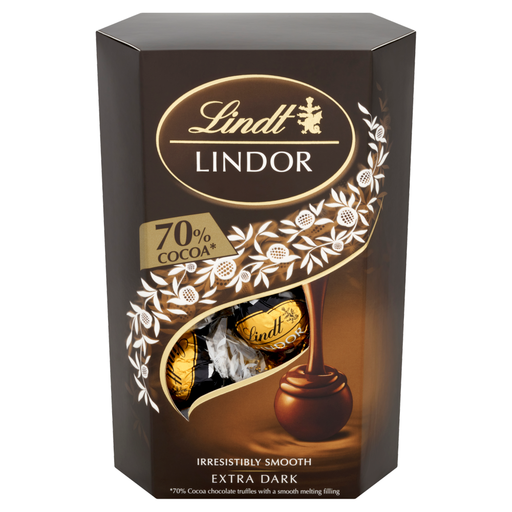 Image unavailable
A 200g dark-chocolate option for sharing when a mixed milk-and-dark assortment is not what you want. The title states 70% cocoa; check the current pack’s cocoa and allergen information before serving.
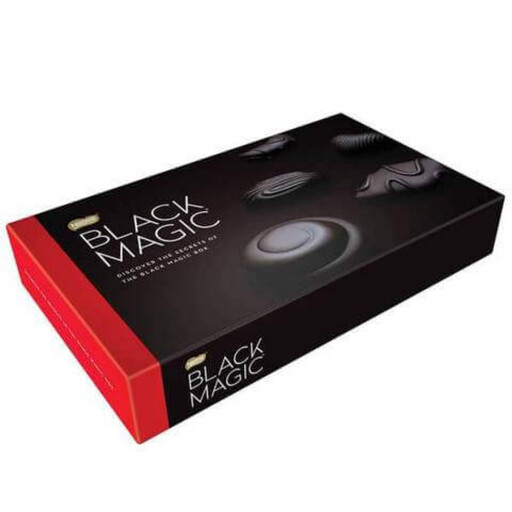 Image unavailable
A 348g dark-chocolate box for a group seeking varied centres rather than a mixed milk-and-dark selection. The product information cautions that it is not suitable for children under four; check the current pack’s ingredients and warning before sharing.
 Image unavailable
This 270g collection suits sharing when dark, milk and white chocolates are all acceptable. Check the pack’s assortment if the number of dark pieces matters, and read its allergen information before serving.
 Image unavailable
A 262g mixed collection to consider when the group wants different centres and dark chocolate need not be every piece. Check the current assortment to see which pieces are dark, and read the pack’s allergen wording.
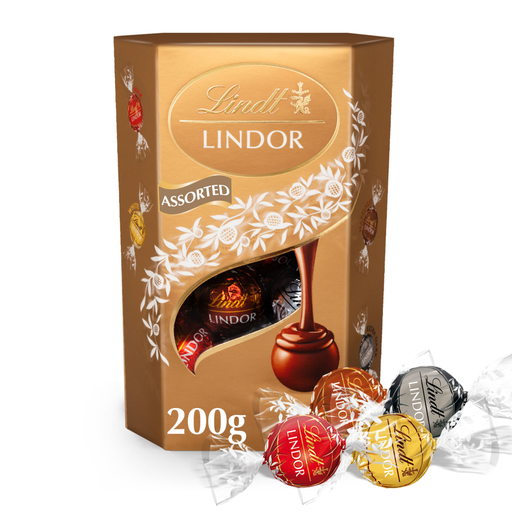 Image unavailable
This 200g assortment offers a dark variety alongside other flavours for people who want a mixed box. Check the current pack for the dark pieces, any cocoa declaration that matters to you and its allergen information.
No. Tesco describes Quality Street as an assortment of milk and dark chocolates and toffees, while Ocado lists dark Rondnoir alongside other styles in Ferrero Collection. Check the named pieces if you want dark chocolate throughout.
No health conclusion follows from the cocoa figure alone. Ocado’s 38% minimum for Cadbury Darkmilk describes cocoa solids in that bar; it does not describe the nutrition of a different product or every piece in an assortment. Use the current product label for ingredients and nutrition information.
Read the ingredients and precautionary allergen wording on the current pack before serving it. Assortments have different recipes, and the Food Standards Agency explains that precautionary labelling communicates possible unintended allergen presence.
No: a home half-term snack and school food are different settings. Department for Education guidance covers legal requirements for food provided in state-funded schools in England, while England’s retail HFSS promotion framework concerns certain location and volume-price promotions by medium and large businesses. Before buying for a school, check the requirements for its UK nation, setting and service occasion.