Parents planning an occasional treat at home
A box can be shared for a particular occasion, but it need not become the usual answer to after-school hunger. Check the ingredients against the children’s needs before offering any pieces.


Choose a box of dark chocolates for an occasional treat at home or a gift, rather than as the regular after-school snack. NHS guidance favours fruit and vegetables for children’s snacks; if you do buy chocolate, match the box to the recipient’s tastes and check the current pack for ingredients and allergens before serving.
A box can be shared for a particular occasion, but it need not become the usual answer to after-school hunger. Check the ingredients against the children’s needs before offering any pieces.
Think about who will receive it: a dark-only bar collection and a box of filled chocolates offer different flavours and sharing formats. Check the contents, pack size and delivery arrangements before ordering.
Food supplied in state-funded schools in England is a different setting from a family treat at home. Check the applicable school-food standards and the school’s policy before arranging a snack for pupils.
Start with the occasion and recipient, then use the exact box’s label to check what each selection contains.
| Priority | What to check | Your needs |
|---|---|---|
| Occasion | Decide whether this is an occasional home treat, a gift or a regular snack. Check the pack size against how you plan to share it. | I’m buying something to share on a particular day, not stocking up on chocolate as the everyday after-school option. |
| Ingredients and allergens | Read the current ingredients, allergen declaration and precautionary statements on the exact pack. Do not assume that dark chocolate excludes milk, nuts or soya. | Someone receiving the box has an allergy or dietary restriction, so I need to check every relevant ingredient and warning before serving it. |
| Flavour and fillings | Compare a dark-only bar collection with a filled assortment. Check the named flavours, centres and any alcohol-related information rather than relying on the word “dark”. | I know whether the recipient prefers plain dark chocolate or varied fillings; for a child, I want to inspect the full contents list first. |
| Sharing format | Check the stated number of bars or pieces, as well as the pack weight. Confirm the actual contents if you are planning to divide the box between people. | I need a format that works for the number of people sharing it, rather than judging the box by its size alone. |
| School setting | For food supplied in a state-funded school in England, check the current school-food standards and the school’s policy. Do not apply home-purchase assumptions to school provision. | I’m arranging food for pupils, so the rules and policy for that setting matter more than whether a box is marketed as a gift. |
A dark-chocolate gift box is still a box of chocolates. NHS guidance recommends fruit and vegetables for children’s snacks and suggests replacing chocolate-based after-school snacks with other options.
Keep the box for an occasional home treat or gift, and choose a different option for routine after-school snacking.
For example, Lindt lists milk, soya and barley malt extract in its LINDOR Dark 70% truffles and warns that they may contain nuts. Filled selections can bring further ingredients into the box.
Read the physical label of the exact product before serving it to anyone with an allergy; a similar-looking box may have different contents.
A box labelled dark may contain several types of filling. Marks & Spencer lists orange crème, espresso, hazelnut praline and other centres in its Dark Chocolate Selection; Hotel Chocolat’s broader boxed range also includes nutty and tipsy varieties.
Check the named contents against the recipient’s preferences and age before choosing a mixed selection.
The Department for Education’s school-food guidance concerns food provided in state-funded schools in England, not a family’s purchase for home. The School Food Regulations define chocolate as confectionery.
If the box is intended for pupils at school, check the standards currently applicable to that setting and the school’s own policy before buying it.
These brand examples show why the contents of a particular box matter more than the brand name alone; they do not indicate which products are available on Joybuy.
Divine describes its Luxury Dark Chocolate Gift Box as a collection of six or nine bars, including 70% and 85% dark varieties.
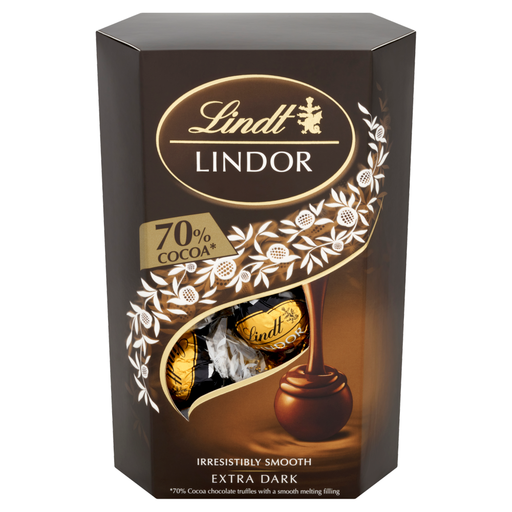
Lindt’s LINDOR Dark 70% Chocolate Truffles 200g is a boxed truffle option; Lindt states that the dark shell contains 70% cocoa.
The M&S Dark Chocolate Selection 292g is a filled assortment with centres including orange crème crunch, espresso and hazelnut praline.
Hotel Chocolat describes its Dark Cabinet as a 59-piece collection of dark batons, truffles and pralines.
Montezuma’s lists dark bars, bar libraries and gift boxes, with products ranging from 74% dark chocolate to 100% cocoa.
These boxes are options to consider for an occasional treat at home or a gift. Compare the truffle box with the larger dark assortment according to the recipient’s preferences, then check the current pack before serving.
 No image available
Consider this truffle box for an occasional gift to someone who likes this style of dark chocolate. Lindt specifies 70% cocoa in the shell; its product information lists milk, soya and barley malt extract and warns that it may contain nuts. Check the current pack for the recipient and confirm the piece count if you plan to share it.
 No image available
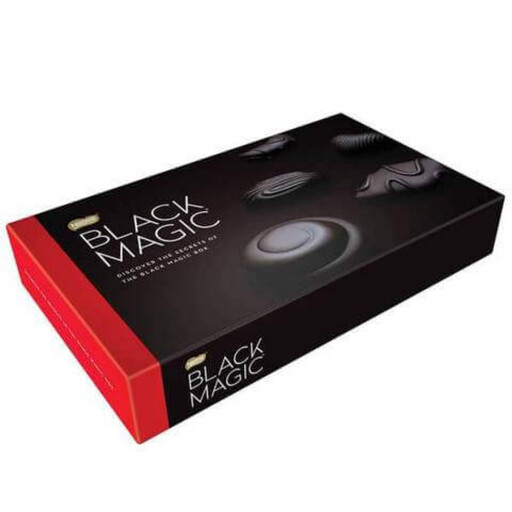
Consider this dark-chocolate box for an occasional gift to someone who enjoys assorted centres; the named pack weight is 348g. Check the current contents and allergen label before serving: the listing warns that it is not suitable for children under 4. Confirm the piece count if you need to plan how it will be shared.
Keep it for an occasional treat at home or a gift rather than making it the routine snack. NHS guidance favours fruit and vegetables for children’s snacks and suggests swapping chocolate-based after-school snacks for other options.
No. Lindt lists milk in its LINDOR Dark 70% truffles and warns that they may contain nuts; filled assortments can have different ingredients again. Check the physical label of the exact box before serving it to a recipient with an allergy.
Read the current contents and label for allergens, named fillings and any age or alcohol-related information. A dark-labelled box is not necessarily a collection of plain dark pieces, so check each assortment against the child’s needs and preferences.
No: food supplied to pupils in a state-funded school in England has a different framework from a family treat at home. The Department for Education’s school-food guidance applies to that setting, and the School Food Regulations define chocolate as confectionery. Check the currently applicable standards and the school’s policy before arranging food for pupils.