Hosts setting out a self-service breakfast
Choose pieces guests can take individually if nobody will be there to break or cut a bar. Compare the pack’s net weight with the size of your group rather than relying on the word ‘sharing’.


For a self-service continental breakfast, dark-chocolate buttons or other bite-size pieces let guests take a small portion without breaking a shared bar. A larger bar works when someone can portion it; whichever format you choose, compare the declared cocoa solids and check the exact pack’s ingredients and allergen information before serving.
The serving arrangement and your guests’ needs can change which dark-chocolate format makes sense.
Choose pieces guests can take individually if nobody will be there to break or cut a bar. Compare the pack’s net weight with the size of your group rather than relying on the word ‘sharing’.
Check the declared cocoa-solids percentage alongside the recipe. Plain buttons, filled chocolates and chocolate-coated fruit offer different flavours and textures even when they are all described as dark chocolate.
Read the ingredients and allergen information on the exact pack before adding it to a shared table. A dark-chocolate name alone does not establish whether a product suits someone avoiding milk or another allergen.
Start with how guests will serve themselves, then compare the recipe and pack information for the people you expect.
| Priority | What to check | Your needs |
|---|---|---|
| Serving format | Compare individual pieces with a bar that needs portioning. Check net weight and, where stated, the piece count before deciding how many packs to set out. | I want guests to take a little chocolate alongside pastries or fruit without handling a communal bar. If I can portion it in advance, a sharing bar is another option. |
| Cocoa and recipe | Read the cocoa-solids declaration and ingredients together. Check whether the product is plain chocolate or includes fruit, wafer, filling or nuts; cocoa percentage alone does not describe the whole recipe. | A plain option may be easier to offer to guests with differing flavour preferences. If I add a textured or flavoured option, I can put it out separately. |
| Allergens | Read the current pack’s ingredients, allergen statement and any precautionary ‘may contain’ wording. Check each product separately, including filled and coated varieties. | Before serving someone with an allergy, I need information for the particular chocolate on the table, not an assumption based on the word ‘dark’. |
| Storage | Check the pack’s storage directions and best-before date, particularly if some chocolate will remain after breakfast. | If I expect leftovers, I want to know how to keep the opened product according to its own label. |
Dark chocolate can still contain an allergen or carry a precautionary allergen warning. For example, Marks & Spencer identifies its cited 70% dark chocolate as unsuitable for someone with a milk allergy.
Check the exact pack before serving it, and keep products with different ingredient or allergen information clearly distinguishable on the table.
Wafer, fruit and filled chocolates are different from plain dark chocolate. A guest expecting a simple piece of chocolate may not want those additions, and each recipe needs its own ingredient check.
Consider setting out a plain option separately from any flavoured assortment.
A sharing label does not say how much each guest will take. The cited sharing formats include a 120g Montezuma’s button pack and a 130g Lindt wafer box, which also differ in the kind of pieces they contain.
Compare net weight and any stated piece count with your guest list and the other foods you plan to serve.
The product you receive is the one guests will eat, so its label is the practical reference for ingredients, allergens, storage instructions and the best-before date.
Read that label when the chocolate arrives and again before setting it out for guests with specific dietary needs.
These examples show different sharing formats and recipes to compare; a brand name by itself does not establish the details of a particular pack.
Montezuma’s lists Organic 74% Dark Chocolate Buttons in a 120g pack described for sharing, making the button format relevant to an informal breakfast table.
Lindt lists a 130g Choco Wafer Dark Chocolate Sharing Box for guests who want a crisp, filled confection rather than plain dark chocolate.
Divine describes its Cherry Bakewell dark-chocolate dessert bar as a sharing product. It is a flavoured bar rather than a plain pouch of pieces.
Marks & Spencer lists chocolate sharing bags and a 70% dark-chocolate-coated sour cherry product, offering a fruit-coated alternative to plain chocolate.
Hotel Chocolat describes its chocolate hampers as products for groups to share. A hamper is a different proposition from a single dark-chocolate sharing bag.
Green & Black’s identifies a 70% dark 90g bar in a box-of-15 format. Bars require a different serving plan from loose buttons or a sharing pouch.
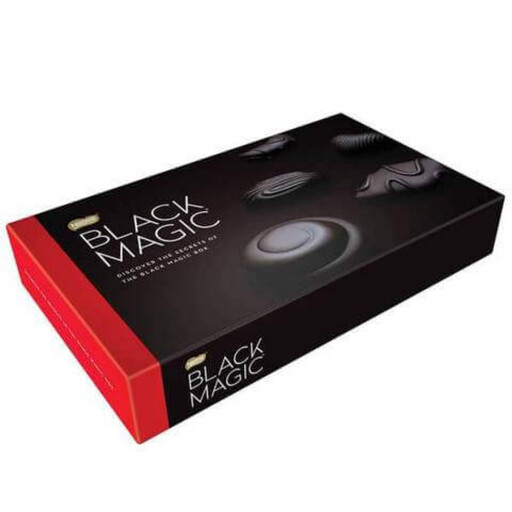
This Joybuy option is a boxed dark-chocolate assortment for guests who may want to choose individual filled pieces, rather than a plain dark-chocolate pouch.
 No image available
For a self-service breakfast, this filled assortment offers individual pieces rather than a plain bar. The box is labelled 348g; check the piece count against your guest list and read the current pack’s ingredients and allergen information before serving.
No. The name ‘dark chocolate’ does not establish allergy suitability: Marks & Spencer says its cited 70% dark chocolate is unsuitable for someone with a milk allergy. Check the ingredients, allergen statement and any precautionary wording on each pack you intend to serve.
Yes, it gives you a stated point of comparison, but it does not describe every flavour or texture difference. The Department for Environment, Food & Rural Affairs says a cocoa-solids declaration is required for most chocolate products covered by the relevant rules; compare it alongside the ingredients and format.
Choose individual buttons if guests will serve themselves, or a bar if you can portion it beforehand. Chocolate-coated fruit is a separate flavour choice rather than a substitute for plain dark chocolate; check its ingredients against your guests’ needs.
Follow the storage instructions on the pack you bought and check its best-before date. Pay particular attention to the product-specific directions for filled or fruit-containing chocolate rather than assuming every format keeps in the same way.
Use the listing to plan, then check the label on the product received before serving it. That lets you assess the ingredients and allergen wording for the exact pack placed on the breakfast table.