
24/7 Customer Support

Free returns

Same-day & Next-day Delivery

Quality Guaranteed

Unlock Your Welcome Offers: FREE Delivery | Up to 80% OFF | Free 30-day JoyPlus trial
Download the APP
Dark chocolate can vary considerably in cocoa content, sweetness, texture, flavour and ethical credentials. A higher percentage does not automatically mean a better choice, while an attractive front-of-pack claim may not tell you everything about the ingredients or allergens.
Before adding dark chocolate bars to your basket, watch for three common buying pitfalls:
Cocoa solids provide much of the characteristic bitterness and roasted flavour associated with dark chocolate. A 70% dark chocolate generally offers a balance between cocoa intensity and sweetness, making it suitable for everyday snacking or pairing with coffee.
An 85% dark chocolate usually contains less sugar and has a more pronounced, bitter cocoa profile. It may appeal to shoppers who enjoy a slow-melting square after dinner or want chocolate for baking. However, recipes differ: some use cocoa mass, cocoa butter and sugar only, while others include vanilla, emulsifiers or additional cocoa powder.
Use the percentage as a starting point rather than a complete quality measure. Compare the ingredient order and sugar content per 100g as well.
For dark chocolate with nuts, check which nuts are used and their percentage. Almonds, peanuts and other tree nuts have different textures and allergen considerations. Tony’s Chocolonely Dark Chocolate, Almonds & Sea Salt 180g lists almonds at 10% and sea salt at 0.5%, giving shoppers clear quantities to compare.
Fruit bars can use pieces, purée, preparation or flavouring. Lindt Excellence Raspberry Intense Dark 100g lists freeze-dried raspberries at 2%, while Divine Chocolate 70% Dark Chocolate with Raspberries 90g lists freeze-dried raspberry pieces at 3%. These figures help set realistic expectations about the balance between chocolate and fruit.
With dark chocolate with sea salt, a small quantity can create a noticeable contrast. Lindt Excellence A Touch Of Sea Salt Dark 100g lists sea salt at 0.3%; it also contains milk and soya, so it is not suitable for every dietary requirement.
If sustainability matters, look for recognised certification details rather than relying only on words such as “ethical” or “responsible”. Some products in this range identify Fairtrade cocoa, sugar or vanilla, while Green & Black’s 70% and 85% bars provide organic and Fairtrade information on their product descriptions.
Certification wording can include mass-balance qualifications, meaning certified and non-certified ingredients may be mixed within the permitted system. Read the label carefully if you require a specific certification standard.
For vegan shoppers, check the full ingredients and allergen statement every time. Milk ingredients or “may contain milk” warnings can appear in dark chocolate, including bars that do not look creamy.
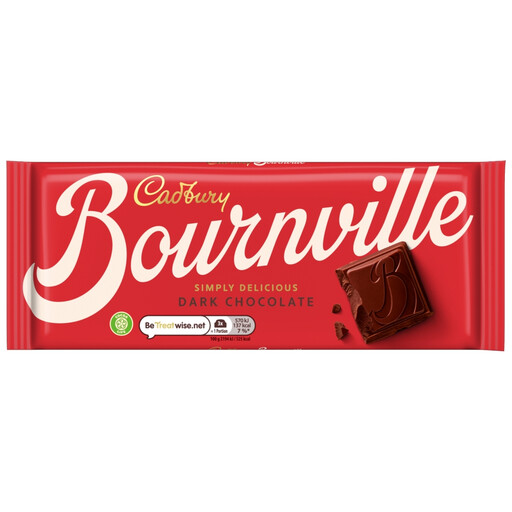
Why This Fits Their Persona: The 180g format suits regular cupboard storage and sharing, offering a familiar lower-cocoa starting point for shoppers moving towards dark chocolate.
Its label states a minimum of 36% cocoa solids, so buyers can compare it honestly with higher-cocoa bars rather than assuming every dark bar has similar intensity.
180g net quantity; suitable for everyday snacking and sharing. Contains milk and soya, with possible nut traces.

Why This Fits Their Persona: The high cocoa percentage and listed organic and Fairtrade details suit shoppers seeking a more intense bar with ethical credentials.
The packaging information identifies 85% minimum organic cocoa solids and explains the Fairtrade mass-balance wording.
85% cocoa solids; organic ingredients identified; 90g portioned bar. May contain nuts and milk.
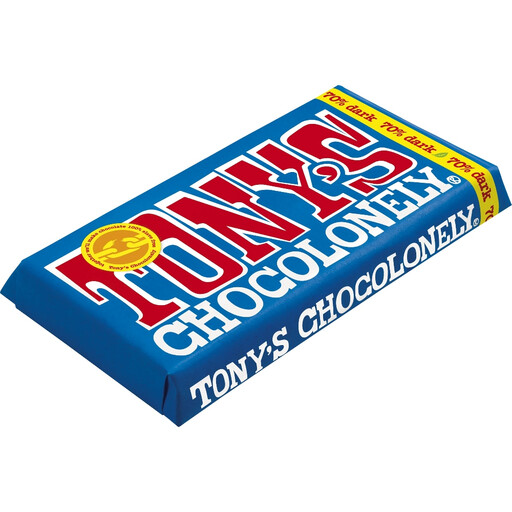
Why This Fits Their Persona: A larger 180g bar works for frequent home use, baking, sharing or portioning alongside coffee and desserts.
The product description specifies 70% minimum cocoa solids and states that cocoa mass, sugar and cocoa butter make up 99% of the Fairtrade-traded ingredients.
70% cocoa solids; 180g format; Fairtrade information supplied. Contains soya and may contain gluten, eggs, milk and nuts.

Why This Fits Their Persona: This compact bar suits shoppers who want fruit-led flavour, a 70% cocoa base and a smaller format for gifting or an occasional treat.
The ingredients identify freeze-dried raspberry pieces at 3% and state a minimum of 70% cocoa solids, rather than leaving the fruit quantity unclear.
70% cocoa solids; Fairtrade ingredients stated; 90g bar. Contains milk, so check the label if seeking vegan dark chocolate.
We have compiled a complete, real-time list of products that fully satisfy these strict selection criteria and UK safety regulations.
Neither cocoa percentage nor the word “dark” makes a product automatically suitable for a particular health goal. An 85% bar commonly contains less sugar than a 70% bar, but recipes vary. Compare the nutrition panel, portion size and ingredients, and enjoy chocolate as part of a balanced diet.
Keep the bar sealed in a cool, dry and dark place, away from heat, sunlight and strong odours. Refrigeration is generally unnecessary and can affect texture or cause condensation. Always follow the storage instructions on the packaging.
Shelf life depends on the best-before information, storage conditions and whether the packaging is resealed. Once opened, wrap the bar or place it in an airtight container. A pale surface can result from fat or sugar bloom; this may affect appearance and texture, but the packaging guidance should take priority.