Home bakers making chocolate-centred desserts
If a cake, brownie or tart calls for melted dark chocolate, look for a plain cooking product and check the cocoa percentage the recipe specifies. A box of filled chocolates serves a different purpose.


Choose plain dark cooking chocolate when it will be melted into a Christmas cake, brownie or tart, and check its cocoa percentage against the recipe. Chips are an option when you want pieces throughout a bake or on top; a boxed selection makes more sense as a gift, for sharing or for decorating with intact chocolates, because filled centres are not a straightforward substitute for plain recipe chocolate. If you are baking for someone with an allergy, check the exact pack before use.
The first decision is whether the chocolate will become part of the recipe or be served as a finished sweet.
If a cake, brownie or tart calls for melted dark chocolate, look for a plain cooking product and check the cocoa percentage the recipe specifies. A box of filled chocolates serves a different purpose.
An assortment can be served after dinner or given alongside a Christmas bake. Whole pieces could also decorate a finished dessert, provided their flavours and ingredients suit the people eating it.
Read the ingredients, allergen information and precautionary wording on the exact pack. Neither a dark-chocolate label nor a vegan-recipe description establishes suitability for a milk or nut allergy.
Start with the chocolate’s job in the bake, then compare its format, cocoa percentage and pack information with the recipe and recipient.
| Priority | What to check | Your needs |
|---|---|---|
| Recipe use | Check whether the product is plain chocolate sold for cooking or baking. Compare its stated cocoa percentage with the recipe before using it as a melted ingredient. | I’m making a chocolate cake, brownies or a tart, and I need the chocolate to work as an ingredient rather than introduce a filling or added flavour. |
| Pieces and decoration | Choose a plain chip or button format if you want separate pieces. Check the cocoa percentage and ingredients rather than assuming every dark-chocolate piece matches the recipe. | For cookies or a finished bake, I’d rather add individual pieces than chop a bar or use assorted filled chocolates. |
| Gifting and sharing | Read the assortment description for centres, flavours and nuts. Keep filled chocolates intact unless the recipe specifically calls for their ingredients. | The chocolate is mainly a present or an after-dinner treat; I might place a few whole pieces on a finished dessert. |
| Cocoa percentage | Compare the declared percentage with the recipe. Lindt Shop UK lists separate 51% and 70% dark cooking bars, so a dark-chocolate label alone does not identify the intended option. | If the recipe specifies a percentage, I want to follow it rather than assume a different bar will give the same flavour. |
| Allergens | Read the current pack’s ingredients, highlighted allergens and precautionary statements for the exact product. Check filled selections piece by piece where their ingredients differ. | I’m sharing the bake or buying for someone else, so the particular product and recipient matter more than a broad claim such as “dark” or “vegan recipe”. |
Filled centres can add flavours and ingredients the recipe did not call for. Marks & Spencer describes its Dark Chocolate Selection as an assortment with centres including espresso, hazelnut praline, caramel and ganache.
For a recipe that calls for melted plain chocolate, choose a plain cooking product and check the specified cocoa percentage. Save the box for gifting, sharing or serving whole.
Dark-chocolate products can differ in their ingredients and precautionary allergen wording. A product described as made to a vegan recipe is not automatically suitable for someone with a milk allergy.
Check the current pack for the exact chocolate before serving it to someone with an allergy.
Montezuma’s lists dark bars with additions such as orange, chilli and cocoa nibs. Those ingredients will change the flavour of a bake made with them.
Choose plain chocolate when the recipe calls for it; use a flavoured product only if that flavour is intentional.
Ingredients and allergen information can change between a listing you have seen and the pack you use.
Read the current pack immediately before baking or sharing the chocolate, particularly when dietary suitability matters.
These ranges illustrate the difference between recipe chocolate and finished assortments; a brand name alone does not establish what is in a particular product.
Lindt Shop UK lists 51% and 70% dark cooking bars in 200g formats and describes both for cakes, tarts, brownies and cookies.
M&S offers a dark chocolate product for cakes and desserts as well as a separate Dark Chocolate Selection with filled centres.
Montezuma’s dark-chocolate range includes plain and flavoured bars, alongside buttons and gift formats.
Divine offers dark bars and gift bundles. Divine describes its company as co-owned by cocoa farmers.
Hotel Chocolat describes its Dark Cabinet as a collection of 59 assorted dark chocolates, including batons, truffles and pralines.
These options cover a cooking bar for melting, chips for adding as pieces, and a boxed assortment for gifting or sharing. Choose by how you intend to use the chocolate, not by treating the three formats as interchangeable.
 No image available
A cooking-chocolate option for a bake that calls for dark chocolate as an ingredient. Check that its 70% cocoa description matches the recipe, and read the current pack’s allergen information before sharing.
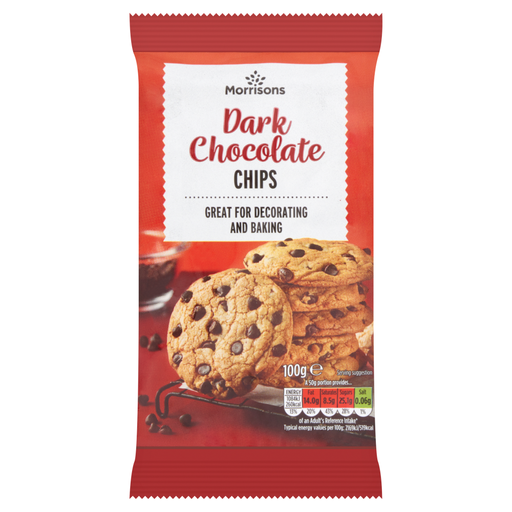 No image available
The chip format suits adding separate pieces to cookies or decorating a finished bake. If the recipe specifies a cocoa percentage, check the pack before substituting these for its named chocolate; read the allergen information too.
 No image available
A boxed assortment for gifting, sharing or serving intact alongside a Christmas bake. Its filled chocolates are not a plain substitute for cooking chocolate; check the current pack’s ingredients and allergens before serving.
Choose plain cooking chocolate if the brownie recipe calls for melted dark chocolate. Boxed selections can contain centres such as caramel, praline or ganache that add ingredients and flavours the recipe did not specify. Keep an assortment for gifting, sharing or decorating with whole pieces unless the recipe calls for those fillings.
Follow the recipe’s stated cocoa percentage where possible. Lindt Shop UK sells both 51% and 70% dark cooking bars for baking, but they are distinct choices; do not assume a swap will preserve the recipe’s intended flavour and sweetness.
No. A vegan-recipe description does not establish allergy suitability. Check the exact product’s current ingredients and precautionary allergen information on the pack before serving it to someone with a milk allergy.
Use the listing to help narrow the choice, then read the current physical pack before the chocolate is used or served. Ingredients and allergen wording can change, and the check needs to apply to the exact product being shared.