If you are unsure how dark you like your chocolate, a plain 70% to 75% bar is a practical starting point; Which? used that range for a blind tasting of 12 supermarket bars in 2026. For a film, choose batons if you would rather have separate pieces than break a bar, and leave higher-cocoa options to those who already enjoy a more intense cocoa flavour. Check the exact pack’s ingredients and allergen warnings before sharing.
Who is this for?
People trying a darker cinema snack
If you want a cocoa-forward bar but do not know whether you enjoy 85% or 100% cocoa, compare plain bars around 70% to 75% first. That is the range Which? used for its 2026 blind tasting of 12 supermarket dark-chocolate bars.
People sharing or snacking gradually
Separate pieces may be simpler to pass around during a film. Hotel Chocolat describes its batons as sized for nibbling; a conventional bar is another option if you are happy to break it into pieces.
Buyers checking ingredients or sourcing
Cocoa percentage alone will not tell you whether a product meets your ingredient, allergen or sourcing requirements. Compare the claims and warnings on the particular pack, especially if other people will share it.
What should you check?
Decide on cocoa level and how you want to handle the chocolate during the film, then check the exact product’s ingredients and warnings.
| Priority |
What to check |
Your needs |
| Cocoa level |
Compare the stated cocoa percentage on the exact product. Which? blind-tasted 12 supermarket bars containing 70% to 75% cocoa in 2026; 85% and 100% products are different choices, not automatic upgrades. |
I want to try dark chocolate without starting with the highest cocoa percentage. If I already enjoy very intense cocoa flavours, I can consider a higher-cocoa bar. |
| Format |
Choose between a bar you can break, separate batons or a different format such as truffles. Check the pack size, and do not assume pieces are individually wrapped. |
Separate pieces would be convenient to share during the film; otherwise, I can break a bar before it starts. |
| Ingredients and allergens |
Read the exact pack’s ingredients and allergen statement, including cross-contact warnings. Lindt says its 70% EXCELLENCE bar follows a vegan recipe but is not suitable for people with a milk allergy. |
If someone sharing has an allergy or dietary requirement, I need the specific product’s declaration rather than an assumption based on “dark” or “vegan”. |
| Flavour and sourcing |
Decide whether you want plain chocolate or additions such as fruit or nuts. Check product-specific organic, Fairtrade or ingredient claims separately from cocoa percentage. |
I may prefer a fruit or nut variation, or I may want a particular sourcing claim; neither choice tells me how another product will taste or whether it meets an allergy requirement. |
Cinema snack mistakes to avoid
-
Assuming a higher cocoa percentage will suit everyone
An 85% or 100% product has a different cocoa profile from a 70% bar. Montezuma’s describes Absolute Black as 100% cocoa with no added sugar, so it is not a like-for-like choice for a group expecting a conventional 70% bar.
If you do not already know the group’s preference, start by comparing bars around 70% to 75%; choose a higher-cocoa product for someone who wants that particular profile.
-
Using “vegan” or “dark” as an allergy check
Dietary descriptions and allergen warnings answer different questions. Lindt says its 70% EXCELLENCE bar is made to a vegan recipe but is not suitable for people with a milk allergy.
Read the current declaration for the exact product before buying or sharing it.
-
Choosing by pack size alone
A full bar, separate batons and chocolate-coated fruit are handled differently during a film. Inclusions also change which ingredients need checking.
Choose the format you want to eat or share, then check the particular product’s ingredients rather than treating packs of similar weight as interchangeable.
Brand formats and product details
These examples describe particular products and formats, not every chocolate made by each brand.
Green & Black’s
Tesco lists a Green & Black’s organic 70% dark-chocolate bar in a 90 g pack: a conventional bar format for breaking into pieces.
- The cited bar states 70% cocoa solids.
- Check the exact pack’s allergen declaration before sharing.
Divine
Divine lists a plain 70% dark-chocolate bar in a 90 g format.
- The cited plain bar gives a specific cocoa percentage and pack weight to compare.
- Ocado lists possible milk, gluten-containing cereal and nut cross-contact for its Divine 70% listing; check the exact variant.
Lindt
Lindt lists a 100 g EXCELLENCE 70% bar alongside other cocoa percentages.
- The cited EXCELLENCE product is a standard bar with 70% stated in its name.
- Lindt says that bar is made to a vegan recipe but is not suitable for people with a milk allergy.
Montezuma’s
Montezuma’s Absolute Black is a 100% cocoa bar for someone specifically seeking that cocoa level.
- Montezuma’s describes Absolute Black as having no added sugar.
- A 100% cocoa bar is a different choice from a conventional 70% sharing bar; check its current allergen information too.
Hotel Chocolat
Hotel Chocolat lists separate dark-chocolate batons in 70% and 85% variants.
- Its baton range is described as sized for nibbling, avoiding the need to break a full bar.
- Check the ingredients and allergens of the chosen cocoa variant rather than treating the range as one recipe.
M&S
M&S lists sour cherries coated in 70% dark chocolate for a fruit-and-chocolate snack rather than a plain bar.
- The cited product combines a stated chocolate cocoa percentage with a distinct fruit format.
- Its ingredients and allergen information need checking as a separate product, not inferred from a plain 70% bar.
Joybuy dark chocolate options
These Joybuy options include plain higher-cocoa bars, bars with fruit or nuts, and dark-chocolate truffles. Compare their stated cocoa levels and formats with what you want to eat or share at the cinema.
 No image available
Green & Black’s 70% Dark Chocolate 90g
A 70% bar to break into pieces before the film or share. The product information warns of possible milk and nut cross-contact; check the current pack if these allergens matter to you.
View on Joybuy
 No image available
Divine 70% Dark Chocolate with Raspberries 90g
A fruit variation if you want a bar rather than plain dark chocolate. Its supplied ingredient information lists milk despite a vegan-friendly description, so do not rely on that description for dietary suitability; check the current pack for allergens.
View on Joybuy
 No image available
Lindt Excellence 90% Cocoa Supreme Dark 100g
A bar for someone who already wants a higher stated cocoa percentage than the 70% to 75% starting range. The 90% figure appears in the product title; confirm it on the pack if that exact level matters to you.
View on Joybuy
 No image available
Lindt Lindor Dark 70% Cocoa 200g
Choose these truffles if you prefer that format to breaking a bar. Check the pack to see whether the stated 70% cocoa applies to the whole truffle or its coating; the supplied ingredient information also lists milk and soya and warns of possible nut cross-contact.
View on Joybuy
 No image available
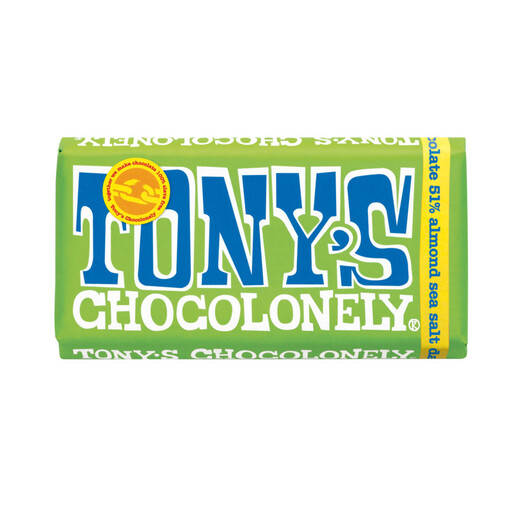
Tony’s Chocolonely Dark Chocolate with Almonds & Sea Salt 180g
A larger bar with almonds and sea salt for someone who wants inclusions rather than plain chocolate. It contains almonds, so check the current pack’s full ingredient and allergen declaration before sharing.
View on Joybuy
Questions about cinema dark chocolate
What cocoa percentage should I try first?
If you do not normally eat very dark chocolate, compare products around 70% to 75% before choosing an 85% or 100% bar. Which? blind-tasted 12 supermarket bars in the 70% to 75% range in 2026; a higher percentage remains an option if you already know you enjoy that cocoa profile.
Are batons more convenient than a bar during a film?
Batons avoid having to break a full bar into pieces. Hotel Chocolat describes its batons as sized for nibbling and lists 70% and 85% dark versions. A bar works too if you are content to break it before the film or share it directly.
Does a vegan recipe make dark chocolate suitable for a milk allergy?
No. Lindt says its 70% EXCELLENCE bar is made to a vegan recipe but is not suitable for people with a milk allergy. Use the allergen statement on the exact current pack.
Do HFSS rules prevent me buying chocolate for the cinema?
No. Department of Health and Social Care guidance describes England’s HFSS rules as restrictions on promotion and placement by qualifying retailers, including online equivalents, not a prohibition on consumers buying chocolate. School-food requirements are a separate matter and do not determine whether you can buy a cinema snack.


