For a cream tea with mixed preferences, start with small pieces of plain 70% dark chocolate alongside the scones, jam and clotted cream. Offer a higher-cocoa or flavoured bar separately when guests want that stronger or different flavour, and check the exact pack for allergens before serving.
Who is the chocolate for?
Hosts serving a traditional cream tea
If scones, jam and clotted cream are the main event, serve plain dark chocolate in small pieces as an optional accompaniment. A 70% bar is a starting point for mixed preferences; guests can decide whether to have it with their tea or scone.
Guests keen to try different cocoa levels
A separate higher-cocoa option lets guests choose a more pronounced cocoa flavour without making it the only chocolate on the table. Montezuma’s and Hotel Chocolat list dark products at different cocoa percentages, so check the percentage on the particular product.
Hosts serving guests with allergies
Check each exact product’s ingredients and precautionary allergen statement before serving. Dark or vegan-labelled chocolate can still carry a relevant milk warning, and warnings differ between plain and flavoured bars.
What should you check before choosing?
Decide whether the chocolate is a plain accompaniment, a tasting option or an intentional addition to the menu; then check its serving format and the exact pack.
| Priority | What to check | Your needs |
|---|
| Cocoa level |
Check the stated cocoa percentage and whether the bar is plain. Compare a 70% option with higher-cocoa choices if guests have different preferences. |
I’d like chocolate alongside the jam and cream, without making a stronger cocoa flavour the only choice. |
| Serving format |
Check whether the product is a bar to break up, separate batons or small bars. Hotel Chocolat lists 70% batons in a 15-finger format; Divine lists 12.5 g mini bars. |
A few pieces on a shared plate would let guests choose their own portion. |
| Allergens |
Read the exact ingredient list, allergy advice and any ‘may contain’ statement. The Food Standards Agency says precautionary allergen labelling communicates possible unintended allergen presence. |
If a guest has an allergy, I need product-specific information before putting chocolate on a shared plate. |
| Added flavours |
Identify additions such as ginger, fruit, nuts or alcohol, and check their ingredients and warnings. Keep a plain choice if the flavoured bar will be optional. |
I want an added flavour only if it suits the tea, jam and guests I’m serving. |
What can go wrong at the tea table?
-
Assuming dark or vegan-labelled chocolate is suitable for every guest
Product warnings vary. Lindt’s Excellence 70% bar lists possible nuts, milk, soya and sesame; Marks & Spencer says its 70% bar is not suitable for people with milk, nut or peanut allergies.
Read the current label for the exact bar and flavour, and keep its packaging available for guests. Do not use a vegan description in place of an allergy check.
-
Making a very high-cocoa bar the only option
A guest who wants chocolate with a sweet scone and jam may prefer a different cocoa profile from someone seeking a separate dark-chocolate tasting piece.
Put out small pieces of a plain 70% bar for mixed preferences, with a higher-cocoa choice alongside if guests want one.
-
Serving a strongly flavoured bar without a plain choice
Ginger, fruit, nut and other additions change both the flavour and the ingredients guests need to consider. Montezuma’s 70% ginger bar, for example, contains soya and may contain milk, nuts and peanuts.
Present a flavoured bar as a clearly identified extra, and check its exact label rather than relying on information for a plain bar from the same brand.
-
Choosing a cooking bar without considering how to serve it
A bar chosen for chopping or melting may be less convenient than ready-to-separate pieces on a shared plate. Lindt presents its 70% cooking bar for recipes including cakes and brownies.
Choose a serving format for chocolate offered beside the scones; consider a cooking bar when the chocolate is going into a recipe.
Which brands offer relevant options?
These brand examples illustrate different cocoa levels and serving formats; check the individual product rather than applying a range-wide description to every bar.
Divine
Divine offers a plain 70% dark bar and small 12.5 g 70% bars for a separately portioned serving.
- Divine describes its 90 g 70% bar as having bold cocoa flavour balanced by subtle sweetness.
- Check the exact bar’s allergy advice: the 90 g product information includes possible gluten, milk and nuts.
Lindt
Lindt Excellence 70% is a plain 100 g bar; the brand also offers a distinct 70% cooking bar for recipes.
- The Excellence product page states a minimum of 70% cocoa solids.
- Its allergy advice lists possible nuts, milk, soya and sesame.
Montezuma’s
Montezuma’s lists higher-cocoa dark chocolate and flavoured bars, including a 70% ginger option.
- The range gives hosts a way to offer a deliberately different cocoa level or added flavour.
- The ginger bar contains soya and may contain milk, nuts and peanuts; check other variants individually.
Hotel Chocolat
Hotel Chocolat lists 70% dark batons and slabs alongside 80% and 85% dark products.
- Its 70% batons come in a 15-finger format that can be divided around a table.
- Ingredients and allergen advice need checking for the particular baton, slab or flavoured product.
M&S
M&S lists a straightforward dark-chocolate bar containing at least 70% cocoa solids.
- The stated cocoa percentage makes it straightforward to compare with other plain 70% options.
- Marks & Spencer states that this bar is not suitable for people with milk, nut or peanut allergies.
Dark chocolate options on Joybuy
These options include plain bars near 70%, a higher-cocoa bar and flavoured bars for cream-tea tables where guests want a choice.
 No image available
Green & Black’s 70% Dark Chocolate, 90 g
A plain bar to break into small pieces alongside scones. The product information lists possible milk, nuts, peanuts and gluten; check the exact pack before serving guests with relevant allergies.
View on Joybuy
 No image available
Morrisons The Best Dominican Republic 72% Dark Chocolate, 100 g
A plain 72% bar for hosts considering a cocoa level close to 70%. Its product information identifies soya and lists possible milk, nuts, peanuts and gluten; check the exact pack for guests with relevant allergies.
View on Joybuy
 No image available
Lindt Excellence 90% Cocoa Supreme Dark, 100 g
A higher-cocoa bar to offer separately to guests seeking that profile, rather than as the only choice for a mixed table. Its product description lists possible hazelnuts, almonds, other nuts, milk and soya; check the exact pack.
View on Joybuy
 No image available
Divine 70% Dark Chocolate with Raspberries, 90 g
A fruit-flavoured option for a cream tea planned around raspberry. The product information states at least 70% cocoa and 3% freeze-dried raspberry pieces. Its vegan-friendly wording conflicts with ingredient and allergen information identifying milk: do not assume vegan or milk-allergy suitability, and check the current pack for all relevant warnings.
View on Joybuy
 No image available
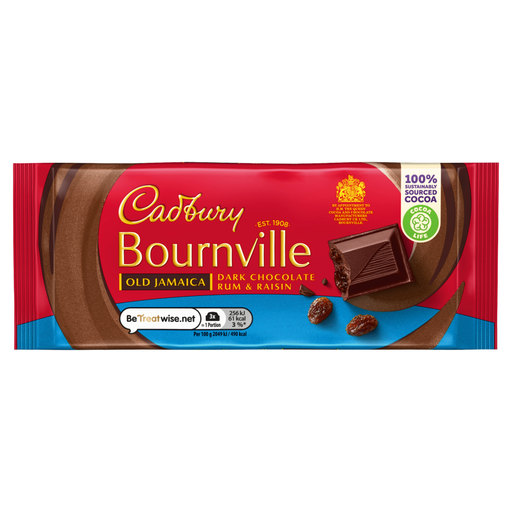
Cadbury Bournville Old Jamaica Rum & Raisin Dark Chocolate, 100 g
A rum-and-raisin alternative for a deliberately flavoured tea table. The ingredients identify raisins and 0.5% rum; check the exact pack for its cocoa percentage if that affects your choice. The product information identifies milk and possible nuts and wheat, so check guest requirements before serving.
View on Joybuy
Cream tea and dark chocolate: common questions
What cocoa percentage should I start with for a cream tea?
A plain 70% bar is a starting point when guests have mixed preferences. Break it into small pieces, and offer a higher-cocoa bar separately if some guests want a more pronounced cocoa flavour.
Should dark chocolate go beside the scones or into a recipe?
For a traditional cream tea, pieces of a bar or separate batons let guests choose whether to have chocolate alongside their scones. If you are baking with chocolate, choose a product intended for the recipe; Lindt presents its separate 70% cooking bar for uses including cakes and brownies.
Does vegan dark chocolate suit someone with a milk allergy?
Not necessarily. A vegan description does not override milk information on the exact product: Divine’s 70% bar carries a possible-milk warning, while Lindt’s Excellence 70% bar also lists possible milk. Check the current pack before serving either to a guest with a milk allergy.
What does ‘may contain’ mean on a chocolate label?
The Food Standards Agency explains that precautionary allergen labelling communicates that a regulated allergen could be unintentionally present. If the warning names an allergen relevant to a guest, do not treat the chocolate as an allergy-checked alternative; use the exact current pack information when choosing what to serve.


