For rides up to about 90 minutes, a dark-chocolate sharing pack is not necessary ride fuel: British Cycling says additional fuel is generally unnecessary. On longer rides, chocolate can be an optional, familiar snack within a planned food and hydration routine, provided you can portion and eat it safely. Compare carbohydrate on the current label and check allergens; buttons, discs and batons may be easier to divide for a stop or an off-bike share.
Who is this for?
Leisure cyclists planning rides over 90 minutes
A sharing pack may provide a planned snack, but it does not replace a wider food and hydration routine. British Cycling advises practising food choices on training rides and making longer-ride snacks manageable to eat.
Cyclists sharing chocolate after a ride
At a café stop, finish point or home, buttons, discs and batons can be divided without trying to handle a large pack while riding.
Buyers checking dietary requirements
Dark chocolate is not automatically suitable for someone avoiding milk, nuts, wheat or soya. Check the exact current pack before taking it on a ride or sharing it with others.
What matters when choosing?
Decide whether the chocolate is for the ride or for sharing when stopped, then compare portions, label information and how you would carry it.
| Priority |
What to check |
Your needs |
| Ride duration |
Consider how long you expect to ride and whether food is part of your plan. British Cycling says additional fuel is generally unnecessary for rides up to about 90 minutes; longer rides call for planned, regular food and drink. |
For a shorter ride, I may want chocolate to share afterwards rather than as essential ride fuel. On a longer ride, I need a snack that fits my wider plan. |
| Access and portions |
Check whether you can divide the product before setting off, carry a portion and open it without losing control of the bike. British Cycling recommends preparing packaging and choosing a safe moment to eat. |
I want to know what I can carry and reach safely; otherwise, I can save the chocolate for a stop. |
| Carbohydrate |
Compare carbohydrate per 100 g and work out the amount in the portion you intend to eat. Lindt UK declares 53 g per 100 g for its dark-coated Choco Wafer sharing box; Marks & Spencer declares 24.6 g per 100 g for its 85% dark bar. They are different types of product, not interchangeable portions. |
If carbohydrate contribution matters on a longer ride, I need the figure for my actual portion. If I am sharing chocolate while stopped, flavour and a convenient format may matter more to me. |
| Allergens |
Read the current ingredients, allergen declaration and any precautionary statements for the exact product. Do not use its dark colour or cocoa percentage to judge suitability. |
Before I share a pack, I need to check it against each person’s relevant allergies or dietary requirements. |
What should you avoid?
-
Relying on high-cocoa chocolate as the main long-ride snack
Cocoa percentage alone does not tell you how much carbohydrate a portion provides. Marks & Spencer declares 24.6 g carbohydrate per 100 g for its 85% bar, compared with Lindt UK’s 53 g per 100 g for its dark-coated wafer box.
If carbohydrate contribution is your reason for buying, calculate it from the exact pack and intended portion. Practise your wider food and drink plan on a training ride.
-
Eating straight from a large pack without a portion plan
It can be harder to keep track of what you have eaten or handle the pack safely. British Cycling advises small, regular snacks on longer rides and practical preparation of packaging.
Divide what you intend to carry before setting off, or wait until you have stopped to share the pack.
-
Assuming dark chocolate is free from common allergens
Lindt UK lists wheat, milk, lactose and soya in its Choco Wafer Dark product, with additional precautionary allergen information. Other dark products have different declarations.
Check the current label of the exact pack, particularly when buying for or sharing with someone who has an allergy.
-
Trying a new chocolate on event day
A new product also means an unfamiliar portion, wrapper and eating routine. British Cycling advises practising fuelling in training rather than introducing new food on event day.
Try the exact product and portion on an ordinary ride first, and stop to eat if handling it on the bike is not safe.
Dark-chocolate brand references
These examples show how formats and labels differ; check the current pack for the product you choose.
Lindt
Lindt UK describes its Choco Wafer Dark Chocolate Sharing Box as a 130 g product for sharing. It contains wafer and filling, so it is not plain dark chocolate.
- Lindt UK declares 53 g carbohydrate per 100 g for this dark-coated wafer product.
- Its declared ingredients include wheat, milk, lactose and soya; check the pack for the full allergen information.
Montezuma’s
Montezuma’s lists dark-chocolate buttons, including a 120 g Giant 60% format, alongside dark bars.
- Buttons offer a format that can be divided before a ride or shared while stopped.
- Its separate Absolute Black 100% cocoa bar declares 18 g carbohydrate per 100 g, according to Montezuma’s; do not apply that figure to its buttons.
M&S
Marks & Spencer lists a 100 g 85% dark bar and 115 g Extra Fine Dark Chocolate Discs, which offer different shapes and label values.
- The discs can be divided for sharing and declare 31.8 g carbohydrate per 100 g, according to Marks & Spencer.
- The 85% bar declares 24.6 g carbohydrate per 100 g. Read the current pack’s ingredients and allergen information for either product.
Hotel Chocolat
Hotel Chocolat lists 70% dark-chocolate batons in a 15-finger format.
- Separate fingers offer a way to divide chocolate for an off-bike share.
- Check the exact pack’s nutrition and allergen information before choosing it as a ride snack.
Divine
Divine’s dark-chocolate range includes high-cocoa products and smaller bars.
- Different cocoa percentages and bar sizes give shoppers formats to compare for flavour and sharing.
- Check the nutrition, ingredients and portion size of the exact product rather than applying information about the wider range to one bar.
Joybuy options for sharing
These dark-chocolate products are suited to considering for a stop or an off-bike share. Neither needs to be treated as a complete fuelling plan for a longer ride.
 No image available
Lindt Lindor Dark 70% Cocoa 200g
A box of dark-chocolate truffles to consider for sharing when stopped. Check the current pack’s allergens and the portion you intend to take before using it as a planned ride snack.
View on Joybuy
 No image available
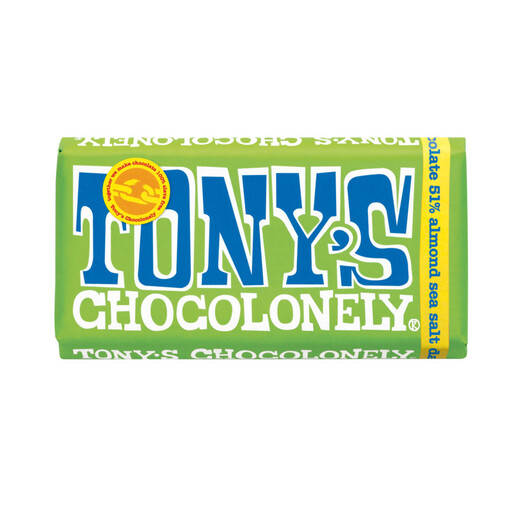
Tony’s Chocolonely Dark Chocolate, Almonds & Sea Salt 180g
A bar that can be divided for an off-bike share. It contains almonds; check the current pack for its full allergen declaration, and prepare any intended ride portion before setting off.
View on Joybuy
Questions about chocolate and cycling
Do I need dark chocolate for a ride under 90 minutes?
Usually not for ride fuelling. British Cycling says rides up to about 90 minutes generally do not require additional fuel, so a sharing pack can instead be something to enjoy after the ride.
Can dark chocolate be my only food on a long ride?
Do not rely on chocolate alone as a complete long-ride food and drink plan. British Cycling advises starting food intake early on rides over 90 minutes, eating small amounts regularly and practising your approach in training.
Which format is easiest to share around a ride?
Buttons, discs and batons can be divided before setting off or shared at a stop. If you intend to eat while riding, British Cycling advises preparing packaging and choosing a safe moment; stop first if you cannot handle the food safely.
Does a higher cocoa percentage mean more carbohydrate?
No: cocoa percentage does not establish a product’s carbohydrate content. Marks & Spencer declares 24.6 g carbohydrate per 100 g for its 85% dark bar, while Lindt UK declares 53 g per 100 g for its different, dark-coated wafer box. Compare the exact label and the portion you plan to eat.
How should I check allergens before sharing dark chocolate?
Read the current label of the exact pack before buying or sharing it. Dark products can have different ingredients and precautionary allergen statements; a high cocoa percentage does not establish suitability for someone with an allergy.


