Households looking for a bar to share
A larger bar may be useful when several people want a portion. Waitrose & Partners lists 10 servings for its 180g Belgian Dark Chocolate 72% bar; check whether its cocoa flavour suits the people who will eat it.


For a household used to white or milk chocolate, a 70–75% dark bar is a reasonable first addition; reserve an 85% bar for people who already enjoy a more intense cocoa flavour. For sharing, Waitrose & Partners lists its 72% Belgian Dark Chocolate as a 180g bar with 10 servings, while the Lindt and M&S bars considered here are 100g. Check the current pack’s ingredients and allergen statements before adding any bar to a shared shop.
A larger bar may be useful when several people want a portion. Waitrose & Partners lists 10 servings for its 180g Belgian Dark Chocolate 72% bar; check whether its cocoa flavour suits the people who will eat it.
Cocoa percentage and sugars are separate label details. Lindt Shop UK lists 29g sugars per 100g for Excellence 70% and 15g per 100g for Excellence 85%, alongside a more intense cocoa percentage in the latter bar.
Ingredients and precautionary allergen statements can affect whether a bar is suitable to share. Check the current pack for each product rather than relying on its cocoa percentage or a vegan-recipe description.
Start with the flavour the household is likely to want, then check the pack size, nutrition panel and allergen statements on the exact bar.
| Priority | What to check | Your needs |
|---|---|---|
| Cocoa flavour | Read the declared cocoa-solids percentage. Compare a 70–75% bar with an 85% bar if people have different preferences. | We usually buy sweeter chocolate, so I would start with one 70–75% bar before buying an 85% bar to share. |
| Pack size | Check the weight and any stated serving count. Waitrose & Partners lists its 72% bar as 180g with 10 servings; the Lindt and M&S bars considered here are 100g. | Several of us may want some, so I need to know how far one bar will go. |
| Nutrition label | Compare sugars on the same per-100g basis and read serving information separately. Lindt Shop UK lists 29g sugars per 100g for Excellence 70% and 15g for Excellence 85%. | I want to compare the actual labels, not assume that every dark bar has the same sugar content. |
| Allergens | Read the current ingredients and precautionary statements for the exact bar. M&S says its 75% Single Origin bar is not suitable for people with a milk or nut allergy. | If someone at home has a food allergy, I need to check the specific pack before sharing it. |
Lindt Shop UK lists 70% cocoa and 29g sugars per 100g for one Excellence bar, but 85% cocoa and 15g sugars per 100g for another.
Read both figures on the bar you intend to buy rather than using “dark” as a substitute for either one.
An 85% bar has a different cocoa profile from the 70–75% options and may not appeal to everyone accustomed to sweeter chocolate.
Try a 70–75% bar first if the household is new to dark chocolate; choose 85% for people who already enjoy that stronger style.
Lindt’s 70% bar has precautionary statements for nuts, milk, soya and sesame. M&S states that its 75% bar is not suitable for people with a milk or nut allergy.
Check the ingredients and allergen statements on the current pack before putting a bar out for everyone.
Waitrose & Partners lists 10 servings for its 180g 72% bar, while the Lindt and M&S bars considered here weigh 100g. The same number of bars will not necessarily provide the same amount to share.
Compare pack weights and any stated servings with the number of people likely to eat the chocolate.
Its Belgian Dark Chocolate 72% is a larger bar to consider for sharing.
Its 75% Cocoa Single Origin Dark Chocolate offers a specified cocoa percentage in a 100g bar.
The Excellence 70% and 85% bars provide two stated cocoa percentages within the same product line.
Galaxy provides a sweeter milk-chocolate comparison and also describes a 70% cocoa dark chocolate in its Fusions range.
Bournville Classic Dark is an option for households interested in a familiar dark-chocolate line.
These bars offer stated 70% and 85% cocoa choices, including one raspberry-flavoured option. Each is 90g or 100g, so consider how many people will share it.
 No image available
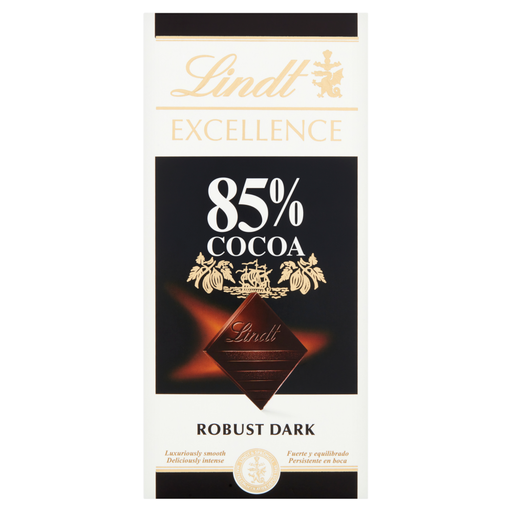
The 85% cocoa bar is a choice for someone who already likes a more intense dark-chocolate flavour. At 100g, consider whether one bar is enough to share; check the current pack’s allergen statements before serving it.
 No image available
Consider this 85% bar for household members who prefer a stronger cocoa flavour. Lindt Shop UK lists 15g sugars per 100g for this 100g bar; check its current allergen statements before sharing.
 No image available
This 85% cocoa option is more relevant to people who already enjoy intense dark chocolate than to a household trying it for the first time. The 90g bar offers a smaller amount to share; check the current pack’s milk and nut statements.
 No image available
The 70% cocoa bar offers a different starting point from the 85% options for a household moving away from sweeter chocolate. It weighs 90g; check how many people will share it and read the current allergen label.
 No image available
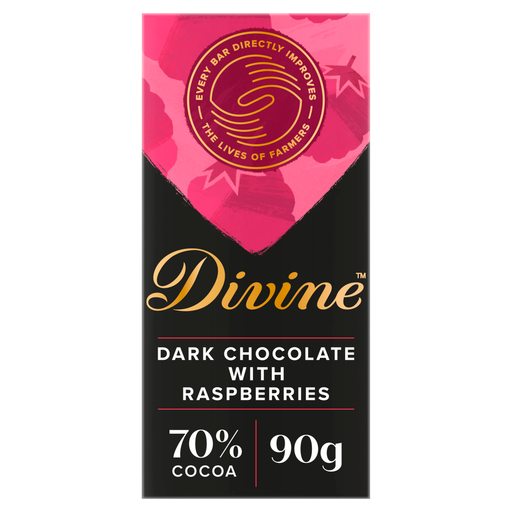
This 70% cocoa, raspberry-flavoured bar is an alternative to a plain dark bar, though its 90g size offers a modest amount to share. The product wording conflicts about milk and vegan suitability: rely on the current pack’s ingredients and allergen statements, not the vegan wording, before sharing it.
A 70–75% bar is a starting point if the household wants to try dark chocolate without choosing an 85% bar straight away. Lindt describes its 70% Excellence bar as balanced; keep an 85% bar for people who know they like a more intense cocoa flavour.
No. Cocoa percentage does not establish allergy suitability: M&S says its 75% bar is not suitable for people with a milk allergy, and Lindt’s 85% bar also carries a milk-allergy caution. Check the current pack of the exact product before sharing it.
Follow the storage instructions on its pack. The Waitrose & Partners listing for Lindt Excellence Dark 70% says to keep that bar in a cool, dry place.
Yes. The NHS identifies chocolate among foods containing free sugars; dark chocolate is not an exception simply because its cocoa percentage is higher. Check the exact bar’s serving information and nutrition label when dividing it up.