Parents packing an occasional treat
Small portions may be easier to pack than a sharing pouch. If you need one sealed serving, check the wrapping on the exact product, along with its allergen statement and the school’s packed-lunch policy.


For lunchboxes, choose small bars and confirm that each one is wrapped if you need a sealed portion; for a cream tea table, loose buttons or a boxed assortment allow guests to choose what they take. Check the cocoa percentage and the exact pack’s ingredients and allergen statement before choosing for a group.
Small portions may be easier to pack than a sharing pouch. If you need one sealed serving, check the wrapping on the exact product, along with its allergen statement and the school’s packed-lunch policy.
Buttons can go in a serving dish, while a boxed assortment offers different centres. Ask about guests’ ingredient and allergen needs before setting either out.
Compare the stated cocoa percentages and decide whether guests would prefer plain chocolate or filled pieces. A high-cocoa bar and a mixed assortment make quite different additions to the table.
Start with how the chocolate will be served, then compare cocoa percentage, fillings and the label on the exact pack.
| Priority | What to check | Your needs |
|---|---|---|
| Portion format | Compare small bars with loose pieces and larger bars. Divine lists 100 miniature 4.2g bars per bag; check individual wrapping if sealed portions matter. | I need one portion for each lunchbox, rather than a pouch that I must divide myself. |
| Cocoa percentage | Read the stated percentage on the exact product. Examples include Montezuma’s 60% buttons, Divine 70% mini bars and an M&S 85% bar. | For a cream tea with different guests, I want to know how intense the chocolate is before choosing what to serve. |
| Ingredients and allergens | Read the current ingredient and allergen statements, including any precautionary wording. A vegan recipe alone does not establish suitability for someone with a milk allergy: Lindt says this of its EXCELLENCE 70% bar. | When buying for someone with an allergy, I need the information for the particular pack, not an assumption based on the word ‘dark’. |
| Table presentation | Decide whether to put loose buttons in a dish, divide a bar, or offer filled pieces. Check the centres in an assortment; M&S lists orange, espresso and hazelnut praline among its selection. | I’d like guests to choose their own pieces, but I also need to know what is inside them. |
Ingredients and precautionary allergen statements differ by product. Lindt says its EXCELLENCE 70% bar is made to a vegan recipe but is not suitable for people with a milk allergy.
Read the current label for the exact chocolate, particularly when serving guests or packing for a child with an allergy.
A sharing pouch does not provide a separate wrapped serving for each lunchbox.
If sealed portions matter, check how the individual pieces are packed before buying. Keep loose buttons for a serving dish or plate.
The listed examples range from 60% buttons to an 85% bar, so guests may be choosing between noticeably different cocoa profiles.
Check the percentage and offer a choice where guests’ preferences differ, rather than relying on one high-cocoa bar.
A filled selection is not the same as plain dark chocolate. The M&S selection, for example, lists orange, espresso and hazelnut praline pieces.
Check the ingredients and allergen information for the selection before serving it, and choose plain chocolate if that better suits the guests.
These brand examples illustrate different serving formats; the details and allergen statements belong to particular products, not every chocolate in a range.
Divine Chocolate lists 70% dark mini bars in a bag of 100, with each bar weighing 4.2g, and a separate pack of 160 bars weighing 12.5g each.
Montezuma’s lists Giant 60% Dark Chocolate Buttons in a 120g sharing pouch, alongside other dark-chocolate products.
Lindt’s EXCELLENCE 70% Dark Bar is a plain-bar reference for shoppers comparing cocoa percentage with sharing or filled formats.
Hotel Chocolat lists dark batons, slabs and selectors, including 70% and 85% batons.
M&S lists an 85% dark bar and a 292g Dark Chocolate Selection with several different centres.
These boxed dark chocolates are options to consider for sharing at a cream tea. If you also need sealed lunchbox portions, confirm the individual wrapping and piece count before choosing either box.
 No image available
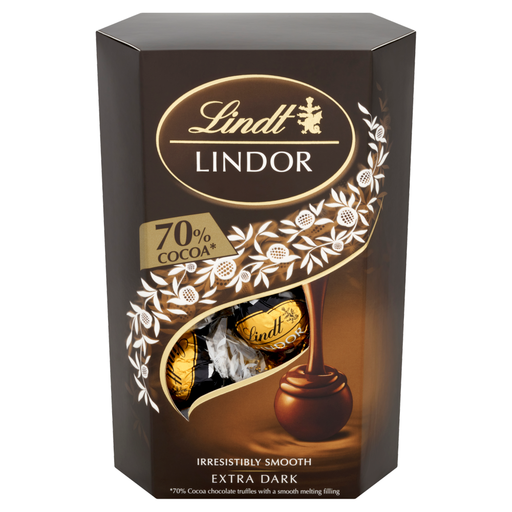
Consider this 200g box for a cream tea where a stated 70% cocoa content helps guests choose. The product information lists barley, milk and soya, and precautionary statements for nuts; check the exact pack before serving. Confirm individual wrapping if you need sealed lunchbox portions.
 No image available
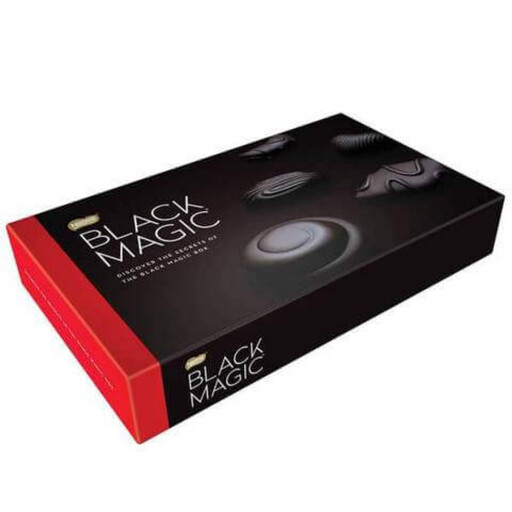
This 348g boxed assortment is a choice for guests who want filled dark chocolates rather than a plain bar. Its product information lists almonds, hazelnuts, eggs and milk, with precautionary statements for other allergens; it also says the product is not suitable for children under 4 because of choking risk. Check the pack’s contents and wrapping before serving or packing individual portions.
Choose small bars if a predictable portion matters, and confirm that each is individually wrapped if the lunchbox needs a sealed serving. A loose button pouch must be divided before packing; it is more straightforward to put out in a dish at cream tea.
No. Lindt says its EXCELLENCE 70% bar is made to a vegan recipe but is not suitable for people with a milk allergy. Read the allergen statement on the exact current pack.
Check the exact pack’s ingredients and allergen information, then check the school’s packed-lunch and allergy policy. Do not assume that a product is suitable for a particular child or school because it is labelled dark chocolate.
Not necessarily. The M&S Dark Chocolate Selection lists centres including espresso and hazelnut praline, so check the particular box’s contents and allergen label against guests’ needs. Plain chocolate offers a different option when filled pieces are not wanted.
Follow the storage instructions on the product you buy. M&S advises keeping its 85% dark bar in a cool, dry place away from sunlight; check the label of any other product for its own instructions.