Shoppers seeking a stronger cocoa flavour
If the cocoa content matters more than a dark-sounding name, look for a percentage on the exact pack. Lindt declares at least 70% cocoa solids for Excellence Dark 70%.


Choose a tablet with a declared cocoa percentage if high-cocoa dark chocolate is the priority; Lindt Excellence 70% is one example, but its label warns that it may contain milk, nuts, soya and sesame. A familiar dark block is another option if you check its current cocoa and nutrition labels, while KitKat 2 Finger Dark suits a defined wafer-bar break rather than a high-cocoa tablet and contains milk and wheat.
If the cocoa content matters more than a dark-sounding name, look for a percentage on the exact pack. Lindt declares at least 70% cocoa solids for Excellence Dark 70%.
A single KitKat 2 Finger Dark weighs 20.7g, according to KitKat. It is a dark chocolate-coated wafer containing milk and wheat, not a high-cocoa tablet.
Read the exact pack statement rather than relying on the word ‘dark’ or a vegan-recipe description. Lindt’s Excellence Dark 70% has a may-contain milk warning; Galaxy describes its separate Dairy Free range as made in a dairy-free environment.
Start with the kind of chocolate you want, then check the serving information and allergen label for the exact product.
Choose when: a stated cocoa percentage and dark-chocolate flavour matter most; Lindt Excellence Dark 70% declares at least 70% cocoa solids.
Bear in mind: that cocoa declaration does not settle allergen suitability; Lindt warns that this tablet may contain milk, nuts, soya and sesame.
Choose when: you want a block to break into squares; Cadbury describes Bournville Classic as a 180g dark chocolate bar.
Bear in mind: the dark-chocolate name alone does not establish a particular cocoa percentage, so check the current pack if that matters to you.
Choose when: a single, defined bar suits a short break; KitKat 2 Finger Dark weighs 20.7g.
Bear in mind: this is wafer covered in dark chocolate, rather than a declared high-cocoa tablet, and it contains milk and wheat.
| Priority | What to check | Your needs |
|---|---|---|
| Cocoa content | Look for cocoa solids on the exact pack. Lindt declares at least 70% for Excellence Dark 70%; a dark-coated wafer is a different format. | I want a stated cocoa percentage, rather than choosing by the word ‘dark’ alone. |
| Sugar and portion | Use per-100g sugars for like-for-like label comparisons, then check the amount in the portion you plan to eat. Lindt lists 29g sugars per 100g for Excellence Dark 70%; KitKat lists 9.2g in one 20.7g 2 Finger Dark bar. | For a short break, I would rather know the amount in one bar. If I am comparing blocks, I also need the same per-100g basis. |
| Allergens | Read the current ingredients and may-contain statement. Lindt Excellence Dark 70% may contain milk, nuts, soya and sesame; KitKat 2 Finger Dark contains milk and wheat. | I need to check the precise label for ingredients I avoid, even when a chocolate is described as dark or made to a vegan recipe. |
Lindt states at least 70% cocoa solids for Excellence Dark 70%, whereas KitKat describes its 2 Finger Dark as wafer covered in dark chocolate. The name Bournville Classic does not, by itself, give you a cocoa percentage.
If high cocoa is the deciding factor, check the percentage on the exact product label.
Lindt describes Excellence Dark 70% as made to a vegan recipe, yet its allergen information says it may contain milk, nuts, soya and sesame.
For allergy-related shopping, follow the current pack’s full allergen statement.
Lindt gives 29g sugars per 100g for Excellence Dark 70%, while KitKat gives 9.2g in a 20.7g 2 Finger Dark bar. One figure describes a standard weight; the other describes a whole bar.
Compare products using their per-100g panels, then check the sugars in the portion you intend to eat.
The Department for Education’s school food practical guide applies to England, and England’s Requirements for School Food Regulations 2014 define chocolate as confectionery. Those points do not establish one rule for every school-food setting across the UK.
For school orders, check the standards currently applying to the relevant nation and type of provision before selecting chocolate.
These brand examples illustrate different dark-chocolate formats; they are not a list of products available in the selection below.
Cadbury’s Bournville Classic is a 180g dark chocolate block, while Darkmilk is a separate 90g bar described by Cadbury as combining rich cocoa with creaminess.
Lindt Excellence Dark 70% is a 100g tablet with at least 70% cocoa solids, according to Lindt.
KitKat’s 2 Finger Dark is a 20.7g dark chocolate-coated wafer bar; its 4 Finger Dark is a separate 41.5g format.
These options include cocoa-labelled dark chocolate blocks and a pack of smaller dark-coated wafer bars. Choose by the format and exact label details you need for a gaming break.
 No image available
A 100g dark chocolate bar with 72% cocoa stated in its name. It suits a choice based on a declared cocoa percentage; check the current pack’s portion, nutrition and allergen details before buying.
 No image available
This 90g dark chocolate bar states 70% in its name, making it another cocoa-labelled block to consider. Check the current nutrition panel and allergen statement for the exact bar.
 No image available
A 90g raspberry-flavoured dark chocolate bar with 70% stated in its name. Check the exact pack’s milk and other allergen information before purchase, particularly if allergy suitability affects your choice.
 No image available
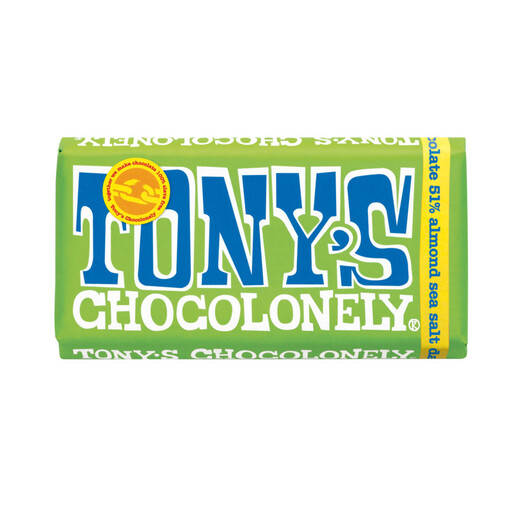
This 180g dark chocolate block combines almonds and sea salt. If a particular cocoa percentage or portion size matters, confirm it on the current pack; check its allergen statement too.
 No image available
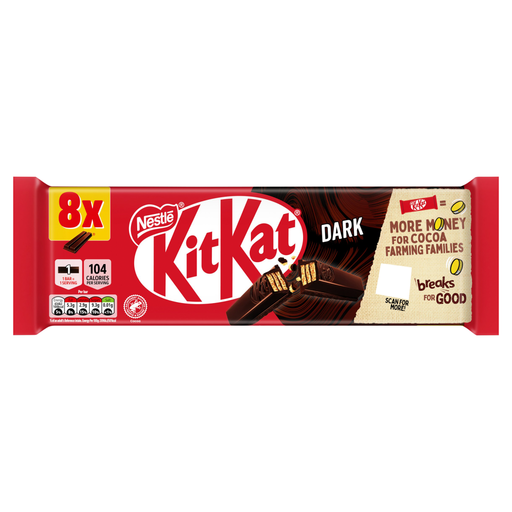
Eight individual 20.7g bars provide a defined wafer-bar portion for a break. KitKat describes 2 Finger Dark as wafer covered in dark chocolate, not a declared high-cocoa tablet; the product contains milk and wheat.
Do not assume it does. Lindt describes Excellence Dark 70% as made to a vegan recipe, but its allergen statement warns that it may contain milk, nuts, soya and sesame. Check the current pack’s allergen statement for the exact product.
Check the cocoa percentage if high cocoa is your aim, then look at portion size, comparable nutrition figures and allergens. KitKat 2 Finger Dark is a 20.7g dark-coated wafer containing milk and wheat; Lindt Excellence Dark 70% is a cocoa-labelled tablet with may-contain allergen warnings.
Do not treat a personal snack choice as a UK-wide school-catering decision. The Department for Education’s practical school food guide applies to England, and England’s Requirements for School Food Regulations 2014 define chocolate as confectionery. Check the standards currently applying to the relevant nation and school setting before ordering.