
24/7 Customer Support

Free returns

Same-day & Next-day Delivery

Quality Guaranteed

Unlock Your Welcome Offers: FREE Delivery | Up to 80% OFF | Free 30-day JoyPlus trial
Download the APP
Navigating the world of dark chocolate can be more complex than it seems. With shelves full of bars boasting high percentages and exotic origins, it’s easy to pick one that looks promising only to be disappointed by a chalky texture or an overwhelmingly bitter taste. As a Joybuy Product Recommendation Officer, my role is to help you see past the marketing and focus on what truly matters for a satisfying purchase. This guide will highlight the common traps to avoid and the key factors to consider, ensuring your next dark chocolate bar is a perfect match for your palate.
Many shoppers fall into a few common pitfalls. Firstly, there's the "high percentage" trap. While a high cocoa content can indicate intensity, it's not a guarantee of quality. A bar made with poor-quality beans can be unpleasantly bitter and dry, regardless of its 85% or 90% label. Secondly, be wary of vague origin claims. A label might say "made with African beans," but this often means a blend of inconsistent, lower-cost beans. True single origin dark chocolate offers a unique and consistent flavour profile tied to a specific region's climate and soil. Finally, watch out for hidden, unwanted ingredients. Some bars contain milk fat, excessive sugar or artificial flavourings that can detract from the pure cocoa experience and may not be suitable for those seeking vegan dark chocolate.
To make a confident choice, focus on a few non-negotiable details. Understanding these will help you find a quality dark chocolate bar every time.
The percentage on the wrapper refers to the total amount of cocoa solids (cocoa mass and cocoa butter) in the bar. A higher percentage generally means a more intense chocolate flavour and less sugar.
Look for a smooth, glossy finish on the bar, which indicates good tempering and a sufficient amount of cocoa butter for a pleasant mouthfeel.
The origin of the cocoa beans has a significant impact on the taste. A premium dark chocolate will often highlight its source.
Not all dark chocolate is created equal. The bar you enjoy as a treat might not be the one for your chocolate cake.

Why This Fits Their Persona: This is for the chocolate lover who appreciates terroir. As a single origin dark chocolate from Ecuador made with premium Arriba beans, it offers a complex tasting journey far beyond simple bitterness, perfect for pairing with coffee or red wine.
It sidesteps the "high percentage" trap by using high-quality beans, delivering complex notes of fruit and spice rather than just bitterness. It also avoids vague origin claims with its specific Ecuadorian Arriba bean sourcing.
A distinctive, nuanced flavour profile from a named single origin. It is also Fairtrade certified, supporting sustainable farming.

Why This Fits Their Persona: For anyone serious about their brownies, cakes or sauces, this is a purpose-built tool. As a dedicated dark chocolate for baking, it's formulated to melt beautifully and provide a rich, intense flavour that holds its own in any recipe.
It avoids the pitfall of using an eating chocolate for baking, which can lead to poor texture. Its formulation is specifically designed for reliable performance in the kitchen, ensuring smooth melting every time.
Reliable melting properties and a robust 70% cocoa flavour that won't be diluted in desserts. It is also Rainforest Alliance Certified.
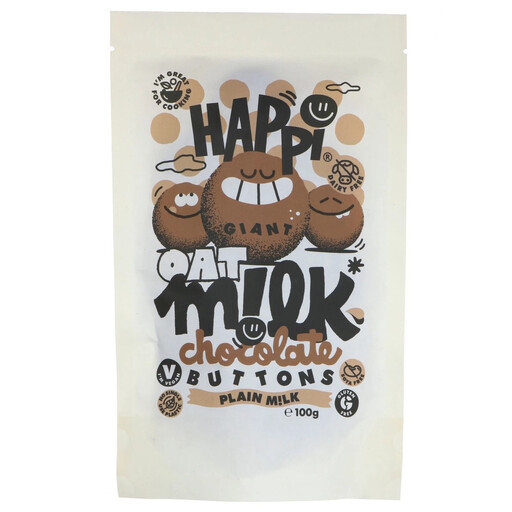
Why This Fits Their Persona: This is for the consumer who wants their treat to align with their values. It's a creamy, oat-milk based vegan dark chocolate that is also slavery-free, ethically sourced and comes in plastic-free packaging.
It directly counters the "hidden ingredients" trap by being explicitly free from dairy, gluten and soya. Its transparent, ethical sourcing also avoids the ambiguity of vague origin claims.
A creamy texture without dairy, strong ethical credentials (slavery-free cacao) and fully recyclable packaging.
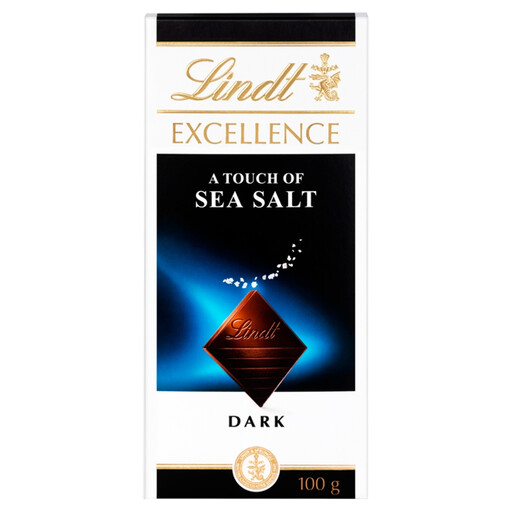
Why This Fits Their Persona: For those who enjoy a classic with a sophisticated twist. This sea salt dark chocolate bar offers a beautifully balanced flavour where the salt crystals enhance the deep cocoa notes rather than overpowering them.
This bar avoids the trap of gimmicky or artificial flavourings. The use of hand-harvested sea salt is a subtle, classic pairing that elevates the chocolate's natural profile rather than masking it.
A well-balanced interplay of rich, bittersweet chocolate and delicate saltiness. The smooth texture is consistent with high-quality production.
We have compiled a complete, real-time list of products that fully satisfy these strict selection criteria and UK safety regulations.
Not always. While pure, high-cocoa chocolate should just contain cocoa solids, cocoa butter and sugar, many bars include milk fat or butter oil for a creamier texture. Always check the ingredients list for dairy-derived components. A true vegan dark chocolate will either be certified or have a clean, plant-only ingredient list.
The percentage refers to the proportion of ingredients derived from the cocoa bean. A 90% high cocoa dark chocolate has very little sugar and an intense, profound cocoa flavour that can be bitter for some. A 70% bar typically offers a more balanced profile, with enough sweetness to round out the cocoa's richness, making it a popular choice for both eating and baking.
To preserve its flavour and texture, store your dark chocolate bar in a cool, dry place, ideally between 16-18°C. Keep it away from direct sunlight and strong odours, as chocolate can absorb surrounding smells. Avoid the refrigerator, as the cold and moisture can cause "sugar bloom"—a harmless but unappealing white, grainy coating on the surface.