Families planning occasional half-term treats
If you want to offer one piece without opening a larger bar, compare individually wrapped weights as well as pack counts. A large supply still needs a plan for storage and use.


For an occasional at-home half-term treat, individually wrapped mini bars make it easier to allocate one piece; a sharing box suits an occasion when separate portions matter less. Compare the weight of each piece, the total quantity and the exact pack’s allergen information before choosing. School-provided food in England is a separate context: the Requirements for School Food Regulations 2014 define chocolate as confectionery.
If you want to offer one piece without opening a larger bar, compare individually wrapped weights as well as pack counts. A large supply still needs a plan for storage and use.
Read the physical label of the exact product before serving it. Dark-chocolate recipes and precautionary allergen statements differ between products; the words “dark chocolate” alone do not settle an allergy check.
First distinguish a snack at home from school-provided food or a parent-packed lunch. England’s school-food regulations define chocolate as confectionery; other UK nations have their own school-food frameworks, and a school may set a packed-lunch policy.
Start with how the chocolate will be served, then compare the exact products’ piece sizes, pack quantities and labels.
| Priority | What to check | Your needs |
|---|---|---|
| Serving format | Check whether pieces are individually wrapped and how much each weighs. Divine lists 4.2g mini bars, 12.5g bars and 35g bars in different 70% dark-chocolate packs. | I want to offer one defined piece, rather than divide a bar or estimate portions from a sharing box. |
| Pack quantity | Compare total quantity as well as count: Divine lists packs of 100 × 4.2g, 160 × 12.5g and 30 × 35g. Check storage directions on the pack. | A pack for occasional treats needs to fit how much our household plans to use, not just the number of wrapped pieces I would like on one day. |
| Ingredients and nutrition | Compare the current ingredient lists and nutrition panels on the same basis, such as per 100g. Check any per-piece figures against the stated piece weight; cocoa percentage alone is not a complete nutrition comparison. | I want to compare the actual chocolate and the amount served, rather than assume that a darker recipe answers every nutrition question. |
| Allergens | Read both ingredients and precautionary statements on the exact physical pack. Divine’s 4.2g mini-bar listing says it may contain nuts, cereals containing gluten and milk; another format needs its own label check. | If someone has an allergy, I need to check the specific product before it is served, not rely on a brand name or a generic dark-chocolate description. |
| Where it will be served | Distinguish a home snack, school-provided food and a parent-packed lunch. The Requirements for School Food Regulations 2014 define chocolate as confectionery for England’s school-food framework; check the applicable nation and school policy for a school occasion. | Chocolate offered at home during half term is a different decision from food supplied by a school or included in a packed lunch. |
Cocoa percentage describes the recipe, but not the weight of the piece or its full nutrition panel. The Department of Health and Social Care’s nutrient profiling model considers multiple nutritional components rather than cocoa percentage alone.
Compare the current nutrition information and intended piece size for the exact packs you are considering.
Allergen statements can differ between products. Divine’s 4.2g mini-bar listing includes a may-contain warning for nuts, cereals containing gluten and milk; that statement should not be transferred to another format.
Inspect the physical pack’s ingredients, allergen statements, best-before date and storage directions before serving.
Divine’s listed packs contain 100 × 4.2g, 160 × 12.5g or 30 × 35g. Both the amount per piece and the total supply change substantially between those formats.
Match the piece weight and total quantity to the occasions you have planned, rather than treating every multipack as interchangeable.
England’s school-food framework concerns food provided in state-funded schools, while its HFSS promotion guidance concerns certain retail promotions by businesses operating in and selling to England. Neither description, by itself, establishes an individual school’s packed-lunch policy.
For a school occasion, identify the UK nation, establish whether the food is school-provided or parent-packed, and check the school’s policy.
These examples help distinguish bulk mini bars from sharing and bar formats; a brand’s wider range does not establish the contents of any particular pack.
Divine’s own listings give clear counts and piece weights for several 70% dark-chocolate bulk formats.
Lindt Shop UK lists a 130g Choco Wafer Dark Chocolate Sharing Box, an option to examine for group sharing rather than a specified mini-bar bulk format.
Montezuma's lists dark-chocolate bars and buttons alongside a mixed Mini Chocolate Bar Library.
Green & Black's lists 70% and 85% organic dark bars and a separate miniatures collection.
Hotel Chocolat’s dark range includes 70% and 85% batons and larger collections.
M&S lists an 85% dark-chocolate 100g bar rather than a ready-portioned multipack.
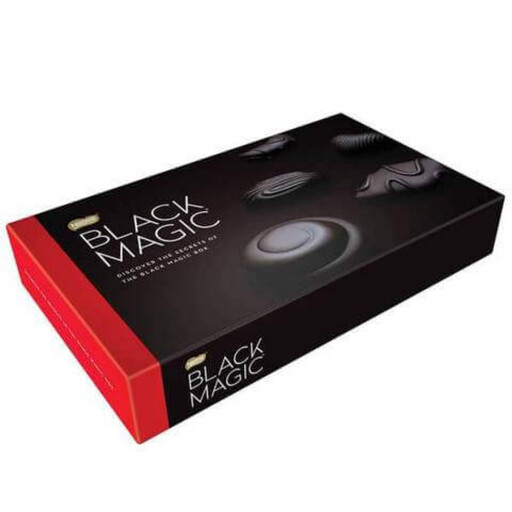
This dark-chocolate box is a sharing-format option for a half-term occasion. Check its label and how you intend to divide it if individual portions matter.
 No image available
A 348g dark-chocolate box for sharing rather than a specified pack of individually wrapped bars. If you need to allocate one piece at a time, check the piece count and wrapping on the exact pack. The product information identifies almond, hazelnut, egg and milk ingredients, notes possible peanut, soya and other tree-nut presence, and warns that the assortment is not suitable for children under four; check the current physical label before serving.
Do not select it as a school-provided meal item under England’s school-food framework. The Requirements for School Food Regulations 2014 define confectionery to include chocolate in any form except hot chocolate, and Department for Education guidance identifies the requirements for food and drink provided in state-funded schools in England. This does not, on its own, determine every school’s parent-packed-lunch policy.
No. Department of Health and Social Care guidance addresses certain location and volume-price promotions of in-scope products by businesses operating in and selling to England, not a ban on parents purchasing chocolate. A product’s status under those rules needs to be assessed against the applicable criteria; “dark chocolate” alone does not establish it.
No. Scotland, Wales and Northern Ireland have school-food frameworks separate from England’s. Welsh Government guidance says its new maintained-primary-school regulations are due to come into force on 31 October 2026. For a school occasion, check the relevant nation’s current requirements and the individual school’s packed-lunch policy.
Check the weight of each piece, the total pack quantity and the current ingredients and allergen statements. Divine, for example, lists 4.2g mini bars in a 100-pack, while a sharing box may need dividing; check its piece count rather than assuming that a box contains individually wrapped portions.
No. Check the exact product’s ingredient and precautionary allergen statements: a description of the recipe does not rule out a may-contain warning. Divine’s 4.2g dark mini-bar listing, for example, says the bars may contain milk. Follow the allergy advice applicable to the person who would eat them.