Day hikers wanting a compact treat
A single wrapped bar is easy to fit into a pack and break into pieces. Treat it as one snack alongside other food suited to the walk, rather than expecting chocolate to cover every food need on the route.


A plain 70–75% dark chocolate bar is a compact choice if you want a cocoa-forward treat as part of your hiking snacks, but compare its carbohydrate per 100 g and the bar’s weight before relying on it during a longer walk. Bars with nougat or nuts have different ingredients and allergen considerations; choose a 100% cocoa bar for its low sugar content only if you also enjoy its intense flavour, rather than assuming it will provide as much carbohydrate as the plain bars compared here.
A single wrapped bar is easy to fit into a pack and break into pieces. Treat it as one snack alongside other food suited to the walk, rather than expecting chocolate to cover every food need on the route.
If carbohydrate contribution matters to your snack plan, compare the nutrition panel per 100 g and the weight you will actually carry. Cocoa percentage alone does not tell you how much carbohydrate a bar contains.
A 100% cocoa bar offers a different flavour and nutrition profile from a sweeter dark bar. Check its carbohydrate declaration too if you intend to eat it during a demanding walk.
Start with the amount you plan to carry, then compare the label and consider how the bar will fare in your pack.
| Priority | What to check | Your needs |
|---|---|---|
| Carbohydrate and bar size | Compare carbohydrate per 100 g, then check the bar’s weight and how much you expect to eat. The labels cited by Lindt, Divine and M&S list 31.7–34 g per 100 g for three plain 70–75% bars; Montezuma’s lists 18 g per 100 g for Absolute Black 100% cocoa. | On a longer walk, I want to know what the portion in my pack contributes, rather than choosing by cocoa percentage alone. |
| Format and weather | Check whether you want a small single bar or portions from a larger one. Keep the wrapper intact and consider heat, cold, sunlight and pressure from other kit: Much Better Adventures warns that chocolate can soften in heat and become very hard in cold. | A bar I can reach during a break is useful, but it also needs a protected place in my rucksack. |
| Ingredients and allergens | Read the exact wrapper’s ingredients, allergen declaration and precautionary statements. The Food Standards Agency explains that precautionary allergen labelling indicates possible unintended allergen presence; a vegan recipe is not a substitute for this check. | If I need to avoid milk, nuts or another ingredient, the statement for this particular flavour and pack matters more than the range name. |
| Flavour and added ingredients | Decide whether you want plain dark chocolate, an added-ingredient bar or intense 100% cocoa. For example, M&S lists 36.6 g carbohydrate per 100 g for its honey-and-almond Mountain Bar, which also contains ingredients that affect dietary and allergen suitability. | I might prefer a chewy bar with added ingredients, or I may want a plain bar that is easier to compare with other plain dark chocolate. |
The product labels cited by Lindt, Divine and M&S put three plain 70–75% bars at 31.7–34 g carbohydrate per 100 g, while Montezuma’s Absolute Black 100% cocoa lists 18 g per 100 g. Those figures describe specific bars, not every bar at either cocoa percentage.
Compare the current label and the portion you will carry, particularly if this bar is intended to contribute carbohydrate during a long walk.
Lindt describes its EXCELLENCE 70% bar as made to a vegan recipe but states that it is not suitable for people with a milk allergy. Other bars have their own allergen and precautionary statements.
Read the wrapper for the exact bar, flavour and pack size before taking it on the hike.
As Much Better Adventures notes, chocolate can soften in heat and become very hard in cold. A crushed or softened bar can be awkward to unwrap and portion on the trail.
Keep it wrapped, out of direct sun and away from heavy items in your pack.
Lindt’s EXCELLENCE range includes a plain 70% cocoa, 100 g bar for comparison with other standard dark bars.
Divine offers a plain 70% dark chocolate bar in a 90 g format, as well as a smaller 35 g format.
M&S lists plain 75% and 85% dark bars, a 100% cocoa bar and a 72% dark chocolate Mountain Bar with honey and almond nougat.
Absolute Black is a 90 g, 100% cocoa bar for someone who deliberately wants an intense cocoa flavour.
Hotel Chocolat’s 70% Dark Chocolate Batons come as 15 fingers rather than one conventional rectangular bar.
Green & Black’s lists a plain 70% dark chocolate bar in a 90 g format.
These options include plain 70–72% bars, a raspberry bar and a larger almond-and-sea-salt bar. Compare their sizes and ingredients against the portion you want to carry.
 No image available
A plain 90 g bar is an option if you want dark chocolate to carry alongside other hiking snacks.
The listing flags possible nuts and milk and advises protecting the bar from heat. Check the current wrapper if allergens matter.
 No image available
This 100 g plain dark bar suits a preference for a single, higher-cocoa chocolate bar in a mixed hiking snack pack.
The listing says it contains soya and may contain gluten, milk, nuts and peanuts. Check the current wrapper, and keep the bar cool, dry and away from sunlight.
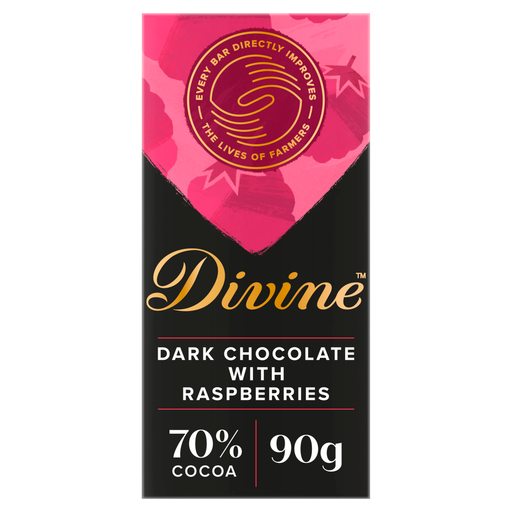 No image available
This 90 g fruit-flavoured bar is an alternative if you want raspberry pieces rather than plain dark chocolate on a walk.
The listing gives conflicting information about milk and also warns of possible gluten and nuts. Check the current wrapper before relying on any dietary or allergen statement.
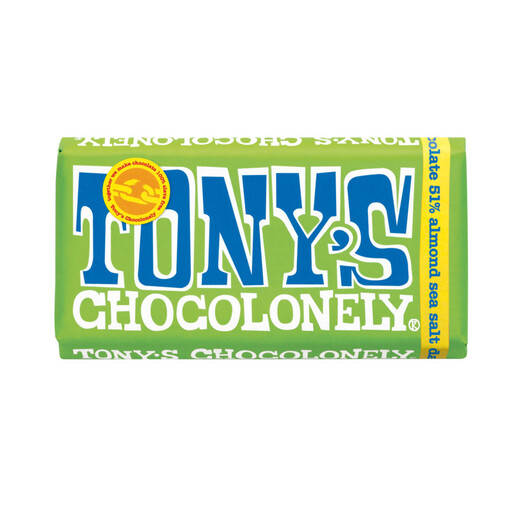 No image available
If you want chocolate with almonds and sea salt, this 180 g bar offers a larger format to portion than the 90–100 g bars here.
The listing describes 51% minimum cocoa solids and six servings. It says the bar contains almonds and soya and may contain gluten, eggs, milk and nuts; check the current wrapper if allergens matter.
Plan other food as well as the bar for a long hike. Alpinetrek’s hiking-snack guidance describes a mix of carbohydrates, protein, fats, fibre, vitamins and minerals; choose what else to carry according to the route and conditions rather than relying on chocolate alone.
Choose by flavour preference and the exact nutrition panel, not cocoa percentage alone. Lindt, Divine and M&S list 31.7–34 g carbohydrate per 100 g for the plain 70–75% bars discussed here, while Montezuma’s and M&S list 13.2–18 g per 100 g for their cited 100% cocoa bars; those figures do not describe every bar in either category.
Keep it in its wrapper, out of direct sun and away from items that could crush it. Much Better Adventures notes that chocolate can soften in heat and become very hard in cold, so consider where it will sit in your pack.
Do not treat a vegan description as an allergy assurance. Lindt describes its EXCELLENCE 70% bar as made to a vegan recipe but says it is not suitable for people with a milk allergy; read the exact bar’s current allergen and precautionary statements.