Marathon trainees who enjoy dark chocolate
Choose a bar as a treat while keeping meals, snacks and planned session fuel separate from confectionery.


Choose a single dark-chocolate bar as an optional treat around marathon training, not as your main pre-run or during-run fuel. Sports Dietitians Australia advises familiar, carbohydrate-rich, low-fat food before exercise; the published panels for the Divine and Lindt 70% bars and M&S 85% bar show substantial fat per 100g. If you want chocolate, choose a cocoa level you enjoy, keep your planned fuelling separate and check the current wrapper for allergens.
Choose a bar as a treat while keeping meals, snacks and planned session fuel separate from confectionery.
Pay particular attention to portion size, timing and whether the exact bar is familiar before a long run or race.
Check the current ingredients and allergen declaration. A vegan recipe alone does not establish suitability for someone with a milk allergy.
Decide when you would eat the bar and what role it would play, then compare its nutrition, ingredients and cocoa level.
| Priority | What to check | Your needs |
|---|---|---|
| Fuelling role | Compare carbohydrate and fat per 100g and for the portion you intend to eat. Sports Dietitians Australia recommends familiar, carbohydrate-rich, low-fat food before exercise; cocoa percentage alone does not show how much carbohydrate a bar provides. | I need a carbohydrate-led plan for demanding sessions, rather than relying on a chocolate bar to supply my run fuel. |
| Timing and gut comfort | Consider the bar, portion and time before running. Sports Dietitians Australia advises runners concerned about gut symptoms to have a low-fibre meal two to four hours beforehand, then only a light snack or fluids in the final hour. | Close to a long run, I would rather choose something familiar and leave chocolate for another time. |
| Allergens | Read the exact pack’s ingredients, emphasised allergens and any precautionary statement. A vegan recipe does not rule out milk cross-contact: Lindt says its 70% EXCELLENCE bar is not suitable for people with a milk allergy. | If I have an allergy, I need the current declaration for this bar, not an assumption based on its cocoa content or vegan wording. |
| Cocoa and format | Choose the cocoa level for taste, then check carbohydrate and sugars on the actual nutrition panel. Compare plain bars separately from filled or nut-containing versions, whose ingredients and allergens can differ. | I want a flavour I enjoy, without treating a higher cocoa percentage as evidence that the bar is better run fuel. |
An 85% label describes cocoa content, not suitability for rapid carbohydrate intake. M&S lists 24.6g carbohydrate and 49.9g fat per 100g for its 85% bar.
Plan run fuel around familiar carbohydrate-rich, low-fat choices, as advised by Sports Dietitians Australia; choose chocolate separately for taste.
Food choice and timing matter when gut symptoms are a concern. Sports Dietitians Australia advises only a light snack or fluids in the final hour before running for runners managing those symptoms.
If you want chocolate near training, trial the exact bar, portion and timing during an ordinary session rather than for the first time on race day.
Lindt describes its 70% EXCELLENCE bar as made to a vegan recipe but says it is not suitable for people with a milk allergy because it is made in a facility using milk.
Check the current wrapper’s ingredients and allergen statements for the exact product.
Fillings and inclusions can change the ingredients and allergens relevant to your choice.
Compare nutrition on the same per-100g basis and read the exact label before choosing a flavoured, filled or nut-containing bar.
These product-line examples help with label comparisons; they are separate from the Joybuy bars listed below.
Divine lists a 90g plain 70% dark-chocolate bar.
Lindt lists a 100g EXCELLENCE 70% dark-chocolate bar.
M&S lists a 100g Collection bar with at least 85% cocoa solids.
Montezuma's lists dark bars including 74% FitzRoy and 100% Cocoa Absolute Black.
Hotel Chocolat lists 70% and 85% dark-chocolate formats alongside fruit-and-nut options.
These single bars cover 70–72% and 85% cocoa choices for an optional treat around training. Choose run fuel separately, and check the current wrapper when ingredients or allergens affect your decision.
 No image available
Consider this bar as a treat away from a key run, not a replacement for planned pre-run fuel.
The title specifies 72% cocoa and a 100g bar. Check the current nutrition and allergen information before choosing a portion.
 No image available
This is a 70% cocoa option if you want dark chocolate as a treat rather than session fuel.
The title specifies a 90g bar. Read the current pack for portion-based nutrition and allergen information.
 No image available
Choose this higher-cocoa bar for your taste preference, not on the assumption that it supplies suitable pre-run fuel.
The title specifies 85% cocoa and a 100g bar. Compare the current pack’s carbohydrate, fat and allergen information with your needs.
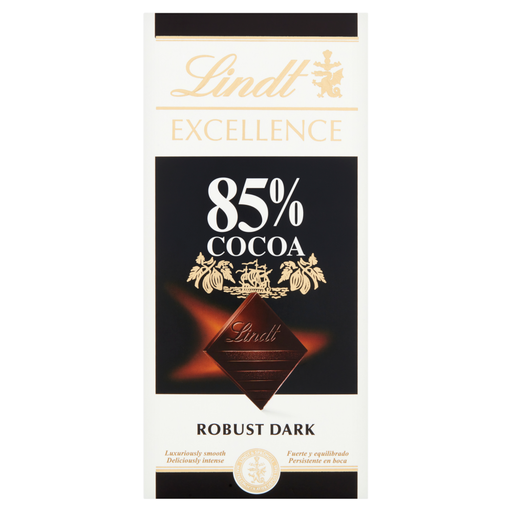 No image available
For a higher-cocoa treat, keep this bar separate from the carbohydrate choices in your running plan.
The title specifies 85% cocoa and a 100g bar. If you have an allergy, check the exact wrapper to distinguish ingredients from precautionary allergen warnings.
 No image available
This 85% cocoa choice suits a preference for higher-cocoa chocolate as an optional treat away from a key run.
The title specifies a 90g bar. Check the current nutrition panel for the portion you intend to eat and read the allergen declaration.
Do not rely on it as your main pre-run fuel. Sports Dietitians Australia recommends familiar, carbohydrate-rich, low-fat food before exercise, while the published Divine and Lindt 70% bars and M&S 85% bar each contain substantial fat per 100g. Keep chocolate optional alongside a separate fuelling plan.
If you are prone to gut symptoms, a familiar light snack or fluids is a more direct fit with Sports Dietitians Australia’s guidance for the final hour. Trial any chocolate portion and timing during ordinary training rather than for the first time before a race.
Treat chocolate as optional rather than the whole recovery snack. The UK Sports Institute advises carbohydrate, protein and fluids as soon as possible after intense or prolonged exercise, followed by a full meal within two hours.
Not automatically. Lindt says its 70% EXCELLENCE bar is made to a vegan recipe but is not suitable for people with a milk allergy because it is made in a facility using milk. Check the current allergen declaration for the exact bar.
Check the ingredients list, emphasised allergens and any precautionary statement on the current pack. GOV.UK guidance says allergens required to be declared on pre-packed food must be emphasised in the ingredients list; a previous purchase or a general brand description is no substitute for the exact product label.