People sharing a late-night treat
Separate pieces are easy to pass round. A bar can work too if you break off the amount for each person before serving.


Choose a bag of separate pieces when everyone wants to take some at once; a bar works if you are happy to break off portions, while a selection offers different flavours across several occasions. For a late-night snack, choose a cocoa intensity the group enjoys, check the current pack for allergens and put aside the amount you plan to eat rather than sharing from an open pack.
The useful distinction for a midnight snack is how the chocolate will be divided, as well as whether everyone can eat the chosen product.
Separate pieces are easy to pass round. A bar can work too if you break off the amount for each person before serving.
Check the cocoa percentage and ingredients on the particular pack. A group that enjoys a 70% bar may not want the intensity of Montezuma's 100% cocoa buttons.
Check the current label for every intended eater, including the ingredients and any precautionary allergen statements. Flavours within a selection can have different ingredients.
Start with how you will serve the chocolate, then compare the exact products your group would eat.
| Priority | What to check | Your needs |
|---|---|---|
| Sharing format | Look at whether the pack contains separate pieces, a breakable bar or several bars. Check the pack weight for the number of people sharing. | I would rather pass round individual pieces than break up a bar while serving. |
| Cocoa and flavour | Compare the stated cocoa percentage and any flavour additions. Montezuma's identifies its Absolute Black buttons as 100% cocoa; Lindt's EXCELLENCE bar is labelled 70% minimum cocoa solids. | For a mixed group, I want a flavour everyone is willing to try, not simply the highest cocoa percentage. |
| Nutrition information | Read sugars per 100g on the packs you are comparing, then consider the amount you intend to serve. Cocoa percentage alone does not describe the full recipe. | I want to compare like-for-like label information before deciding how much to put out. |
| Allergens | Read each product's ingredients and precautionary statements. For a mixed selection, check every included flavour rather than relying on the outer name. | Someone sharing may need to avoid an ingredient or a product with a relevant may-contain warning. |
| Bedtime timing | Consider when the chocolate will be eaten and set out a decided amount. Lancashire and South Cumbria NHS Foundation Trust advises avoiding sugary foods and drinks at bedtime because saliva flow and its protective effects are lower. | If I do choose chocolate late at night, I would rather serve a portion than keep eating from the pack. |
Separate buttons make a pack easy to divide, but the bag itself does not decide how much each person will have.
Put the amount for this occasion into a bowl and close the pack before serving.
Montezuma's describes its 100% cocoa buttons as bold. That intensity may not match the tastes of everyone sharing.
Choose the cocoa percentage with the group's flavour preferences in mind, particularly before buying several packs of an unfamiliar product.
A recipe description does not replace the allergen information for the particular chocolate or flavour.
Read the current pack's ingredients and precautionary statements before offering it to someone with an allergy.
These examples illustrate different formats to compare; a brand name alone does not establish the ingredients of every product in its range.
Its Absolute Black product is a 120g bag of bite-sized, 100% cocoa dark chocolate buttons.
The Lindt EXCELLENCE Dark 70% product is a 100g bar, offering a breakable alternative to a bag.
Divine's dark-chocolate bundle combines plain, raspberry, and ginger-and-orange 70% bars.
The M&S Collection dark-chocolate bar states a minimum of 85% cocoa solids.
Hotel Chocolat's dark-chocolate range includes slabs and filled recipes.
These options include boxes of individual chocolates for passing round and bars you can divide before serving. They are alternatives to consider when choosing a midnight snack, rather than a list of sharing bags.
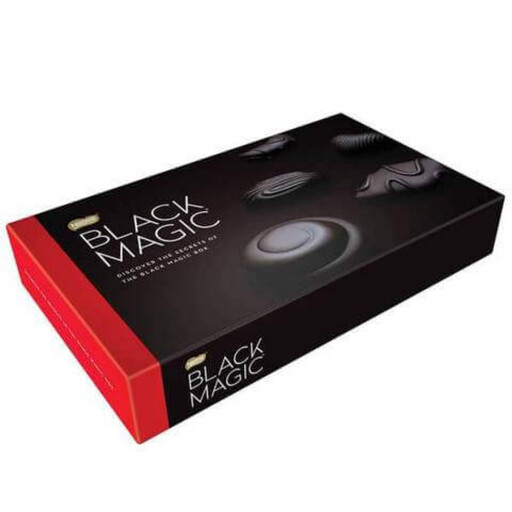 No image available
A box of assorted pieces is an option when people want to choose individual chocolates rather than break a bar. The pack is 348g; check the ingredients of the different centres and the current allergen information before sharing.
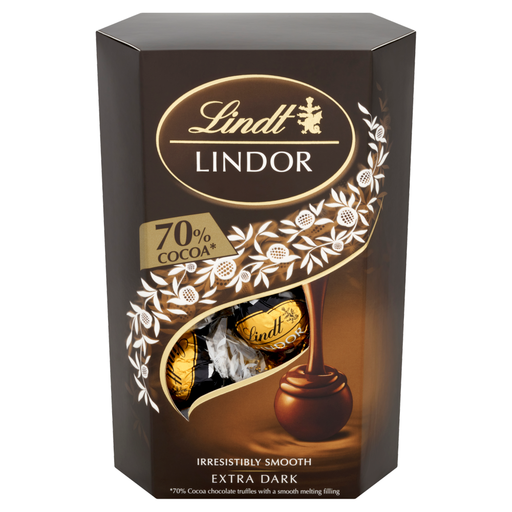 No image available
These separate truffles offer a box-format alternative for sharing. The product name states 70% cocoa and 200g; check the current pack for allergens and, if individual portions matter, the number and size of the truffles.
 No image available
This 100g, 85% cocoa bar is a choice for people who would rather divide a bar than pass round a box. Check the current pack for ingredients and allergen warnings before sharing.
 No image available
This 100g bar states 72% cocoa and needs dividing if several people will share it. Read the current pack's ingredients and allergen warnings before serving it to the group.
 No image available
This 100g, 85% cocoa bar offers another breakable format rather than ready-separated sharing pieces. If allergens affect the choice, check the pack to distinguish ingredients from precautionary warnings.
Choose separate pieces if passing chocolate round without breaking it matters most. A bar also works when the group prefers that particular chocolate and you divide it before serving; neither format decides the amount each person eats.
No. Cocoa percentage is useful for identifying the product, but the group's flavour preferences and the exact ingredients still matter. Montezuma's describes its 100% cocoa Absolute Black buttons as bold, so do not assume everyone who likes a 70% bar will want them.
Read the current pack's ingredients and precautionary allergen statements for each chocolate or flavour. GOV.UK guidance says allergens used as ingredients in prepacked food must be clearly labelled in the ingredients list; a description such as vegan does not replace that check.
Timing is worth considering: Lancashire and South Cumbria NHS Foundation Trust advises avoiding sugary foods and drinks at bedtime because saliva flow and its protective effects are lower. If you decide to have chocolate, serve the amount you intend to eat rather than continuing from an open pack.