Parents and carers packing an occasional treat
If you are considering mint chocolate for a school lunch, check the school’s packed-lunch policy and decide how much to pack rather than treating the whole bar or box as one portion.


For a secondary-school packed lunch, consider dark chocolate mints as an occasional treat if they fit the school’s packed-lunch policy; a higher cocoa percentage does not, by itself, tell you how much sugar is in the product. Check the current pack for allergens and sugars, then choose a format that suits the pupil: a mint chocolate bar, individual chocolates for portion planning, or a plain mint if chocolate is not wanted.
If you are considering mint chocolate for a school lunch, check the school’s packed-lunch policy and decide how much to pack rather than treating the whole bar or box as one portion.
If the pupil enjoys dark chocolate, a mint product with a stated cocoa percentage can help you choose a flavour profile. Marks & Spencer, for example, describes its Collection Dark Chocolate with Mint as 85% cocoa.
An explicitly labelled milk- and gluten-free product may meet those particular requirements. Check the current pack against the pupil’s individual needs and the school’s allergy arrangements before packing it.
Start with whether confectionery fits the school’s policy, then compare the exact product’s label and decide whether the pupil wants chocolate or simply a mint.
| Priority | What to check | Your needs |
|---|---|---|
| School policy | Read the school’s current packed-lunch guidance. Check whether it addresses confectionery or particular allergens. | I want to know whether a mint chocolate treat fits this pupil’s school rules before putting it in their lunch. |
| Sugars and amount packed | Read sugars on the stated per-piece, per-serving or per-100g basis. Check how many pieces you intend to pack; cocoa percentage is a separate measure. | A small-looking chocolate might still contain more sugar than I expect. Waitrose & Partners lists 3.00 g sugars per Mint Thin and marks sugars high for that piece. |
| Allergens | Check the current ingredients, allergen wording and any relevant precautionary statements on the exact pack, including substitutions. | I need a product that matches the pupil’s particular dietary requirements, not just a general ‘free-from’ description. Sainsbury’s describes its Taste the Difference Free From Dark Chocolate Mints as milk and gluten free. |
| Chocolate or plain mint | Confirm whether the pupil wants dark chocolate with mint or a non-chocolate mint. For a plain mint, check the stated sugars per serving and ingredients. | If mint flavour is the point rather than a chocolate treat, I would consider a plain mint. Nestlé describes POLO Sugar Free as sugar-free; Tesco lists less than 0.5 g sugars per three mints. |
Cocoa percentage and sugars describe different things. Waitrose & Partners states that Mint Thins contain at least 55% cocoa solids, yet lists 3.00 g sugars per thin and marks sugars high for that piece.
Compare sugars on the exact pack using the same stated basis where possible, then decide how much to pack.
Department for Education guidance on school food concerns food and drink provided in state-funded schools in England. It does not establish what an individual school permits in a lunch brought from home.
Consult the pupil handbook or ask the school before routinely packing confectionery.
Sainsbury’s describes its Taste the Difference Free From Dark Chocolate Mints as milk and gluten free. Those statements do not answer questions about other allergens or an individual pupil’s requirements.
Check the current ingredients and allergen wording against the pupil’s needs and the school’s allergy arrangements, particularly if a product has been substituted.
A dark chocolate mint and a plain mint serve different preferences. POLO Sugar Free, as described by Nestlé, is a non-chocolate sugar-free mint.
Ask whether the pupil wants a chocolate treat or just mint flavour before choosing between the two.
These examples illustrate different product types; the descriptions refer to the named products, not every item made by each brand.
A plain-mint alternative when chocolate is not wanted.
Trebor Extra Strong Peppermint is a peppermint-mint option rather than the dark chocolate product considered here.
Tesco Finest Mint 47% Dark Chocolate is a mint-flavoured dark chocolate bar.
Taste the Difference Free From Dark Chocolate Mints combine dark chocolate with a peppermint fondant centre.
Collection Dark Chocolate with Mint is an option for someone seeking a stated high-cocoa mint chocolate.
Mint Thins provide a per-piece nutrition reference for planning the amount packed.
These options cover peppermint creams and a mint-flavoured dark chocolate bar for a pupil who wants chocolate rather than a plain mint. Check the school’s policy and the current product pack before deciding what to include in a lunch.
 Image unavailable
Peppermint creams with dark chocolate suit a pupil who wants a mint-chocolate treat. The pack is 200g; decide how many creams to pack using the current label. Check its soya content and its milk and nut precautionary wording against the pupil’s requirements.
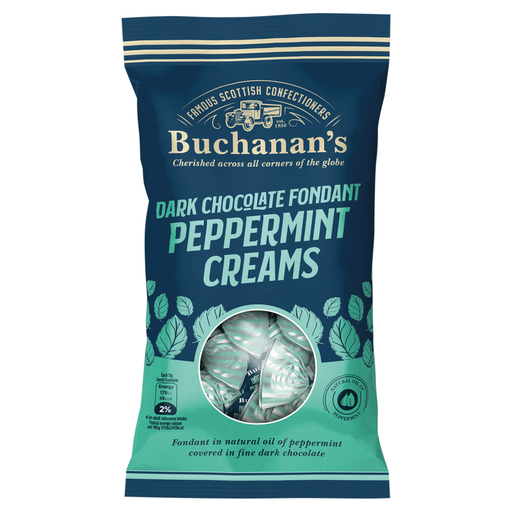 Image unavailable
Another peppermint-cream format for a dark mint chocolate treat, in a 120g pack. Check the current label when deciding how many creams to pack. The product information identifies egg and soya and says it may contain milk; compare that wording with the pupil’s requirements.
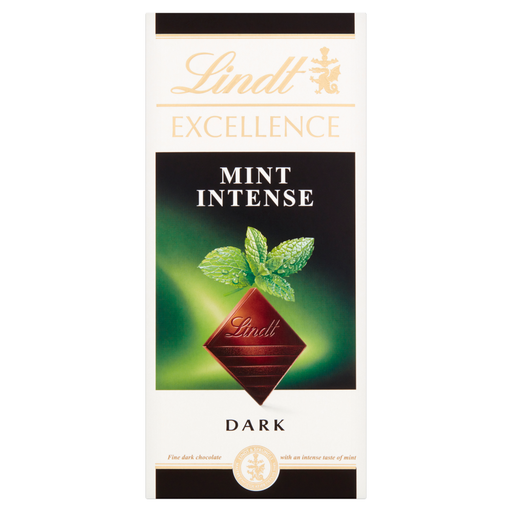 Image unavailable
This mint-flavoured chocolate comes as a 100g bar rather than separate creams, so decide how much of the bar to pack. Check the current label for sugars and allergens; the product information identifies milk and soya.
Check the individual school’s current packed-lunch policy before packing them. Department for Education school-food guidance concerns food and drink provided in state-funded schools in England; it does not, by itself, decide what a pupil may bring from home.
A cocoa percentage alone cannot answer that question. Marks & Spencer describes an 85% cocoa mint chocolate, while Waitrose & Partners states that Mint Thins contain at least 55% cocoa solids and lists 3.00 g sugars per thin. Check sugars and the amount you plan to pack on the exact product label.
Read the current pack’s full ingredients and allergen wording against the pupil’s individual requirements and the school’s allergy arrangements. Sainsbury’s describes its Taste the Difference Free From Dark Chocolate Mints as milk and gluten free, but that does not establish suitability for every allergy.
Choose a plain mint if the pupil wants mint flavour rather than a chocolate treat. Nestlé describes POLO Sugar Free as a sugar-free, non-chocolate mint, and Tesco lists less than 0.5 g sugars per three mints; check the current ingredients and the school’s policy before packing it.