What should you check before choosing?
Decide on the flavour and portion format first, then check the exact product’s ingredients and pack details.
| Priority | What to check | Your needs |
|---|
| Cocoa and texture |
Compare the stated cocoa percentage and any added nibs or flavour ingredients. Divine describes its plain 70% bar as bold with subtle sweetness; Montezuma’s Lordy Lord combines 93% dark chocolate with 7% cocoa nibs. |
I’d start with a plain bar if I’m unsure about intense cocoa flavour, but choose nibs if crunch is part of what I enjoy with tea. |
| Portion format |
Check the weight of each piece and the number of pieces supplied. Divine’s individually wrapped 12.5g mini bars are listed as a case of 160, rather than a single small purchase. |
A defined piece would suit my regular tea break; for an occasional treat, I’d rather decide how much to break from one bar. |
| Ingredients and allergens |
Read the current ingredient list and precautionary allergen statement for the exact product. Lindt says its vegan-recipe EXCELLENCE 70% bar is not suitable for people with a milk allergy because it is made in a facility using milk. |
If an ingredient or allergen matters to me, a cocoa percentage or vegan-recipe description cannot replace checking the pack. |
| Product claims |
Check whether a sourcing or formulation claim applies to the particular bar you are buying, rather than assuming it applies to every product from a brand. |
I want to be able to identify the claim on the chocolate I choose, not rely on a general impression of the brand. |
| Buying format |
Distinguish a single bar from a case, selector or product intended for cooking. If collecting in store, check the collection details for the exact item. |
For an occasional morning break, I’d check the pack count before choosing a bulk format. |
Dark chocolate options on Joybuy
These bars offer plain, fruit-flavoured and higher-cocoa options for choosing chocolate to have with a morning tea break. They are standard bars rather than individually wrapped mini bars.
 No image available
Green & Black’s Dark 70% Chocolate 90g
A plain 70% bar is an option if you want to break off your own piece for tea. Check the current pack for milk and nut precautionary statements if these affect your choice.
View on Joybuy
 No image available
Morrisons The Best 72% Dominican Republic Dark Chocolate 100g
This 72% bar offers a named cocoa origin if that detail matters to you. Check the current pack for soya and precautionary allergen information before choosing it for an allergy-related need.
View on Joybuy
 No image available
Divine 70% Dark Chocolate with Raspberries 90g
Choose this 70% bar if you want raspberry flavour rather than a plain chocolate. The listing’s milk-related statements conflict, so check the current pack before buying if milk or vegan suitability matters to you.
View on Joybuy
 No image available
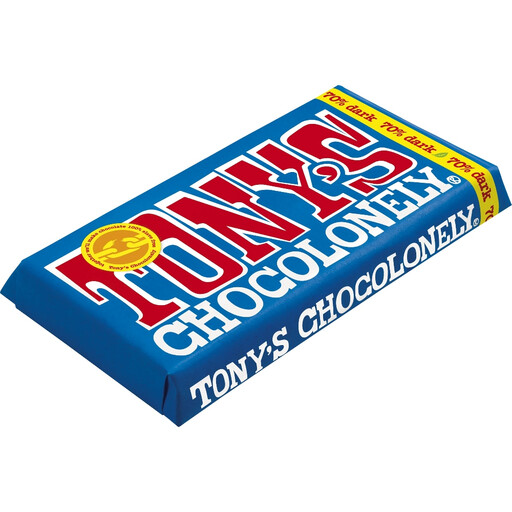
Tony’s Dark Chocolate 180g
This 180g bar gives you a larger format from which to choose a piece for tea, rather than a defined individual portion. Check its current pack for ingredients and allergen statements.
View on Joybuy
 No image available
Green & Black’s Dark 85% Chocolate 90g
Consider this 85% bar if you deliberately want a more intense, bitter cocoa flavour with tea. Check the current pack for milk, almond and hazelnut precautionary statements if relevant.
View on Joybuy
Questions about dark chocolate with tea
What cocoa percentage should I try first with morning tea?
A plain 70% bar is a practical starting point if you want a high-cocoa option without deliberately choosing a more intense one. If you already enjoy stronger cocoa flavours, compare it with a higher-percentage bar; cocoa nibs will also change the texture.
Does 70% dark chocolate mean it is dairy-free?
No. Lindt says its EXCELLENCE 70% bar is made to a vegan recipe but is not suitable for people with a milk allergy because it is made in a facility using milk. Check the ingredients and allergen statement for the exact bar you intend to buy.
What does ‘may contain’ mean on a chocolate label?
The Food Standards Agency describes precautionary allergen labelling as a warning that a regulated allergen could be unintentionally present. Read that statement alongside the ingredient list when checking a particular chocolate for an allergy.
When are individually wrapped mini bars useful?
They are useful when you want a defined piece rather than breaking a portion from a standard bar. Divine lists 12.5g 70% mini bars, but its cited product contains 160 bars, so check the total quantity if you only buy chocolate occasionally.
Can I use an online listing to check chocolate allergens?
Use it as a starting point, then read the current pack. M&S advises shoppers not to rely solely on online product information because details can change; the pack matters particularly when an ingredient or precautionary allergen statement affects your choice.


