Who might choose each format?
The useful distinction is whether you want a separate bar ready to pack or are content to portion a larger product at home.
Gym-goers wanting a small occasional sweet snack
A separate mini bar avoids carrying a full sharing bar. Divine Chocolate lists a case of 160 dark-chocolate bars weighing 12.5g each; check whether that case size suits how often you expect to use them.
Shoppers who prefer a defined portion
An individual bar gives you a stated weight before you leave home. Divine Chocolate also lists 35g bars in a 30-pack; a standard bar or bag of buttons instead needs portioning before it goes into your gym bag.
Shoppers checking dietary details
Choose by the label on the exact recipe, not by the words “dark chocolate”. Dietary designations and precautionary allergen statements can appear together, while some dark-chocolate recipes contain nuts as ingredients.
What should you check before buying?
Start with the weight of the piece you would actually pack, then check the label for that product and how you will store it.
| Priority | What to check | Your needs |
|---|
| Portion and pack size |
Check grams per bar, the number of bars and whether they are separate units. Divine Chocolate lists 12.5g × 160 and 35g × 30 bar packs; a sharing bar or buttons need portioning. |
I want one piece that matches the amount I plan to take, without carrying a whole sharing bar. A large case only makes sense if I will use its contents. |
| Nutrition label |
Compare energy, sugars and saturates for the amount you intend to pack, using per-100g figures when comparing different products. Cocoa percentage does not replace the nutrition panel. |
A dark or high-cocoa description is not enough for my decision; I want to see the figures for the product and portion I would eat. |
| Ingredients and allergens |
Read the exact recipe’s ingredients, dietary designation and “may contain” wording on the current pack. The Food Standards Agency explains that precautionary labelling signals possible unintended allergen presence. |
If I am buying for someone with an allergy or a strict dietary requirement, I need the label for that specific product, not an assumption about dark chocolate generally. |
| Storage in a bag |
Follow the product’s storage directions. Tesco’s listings for the Green & Black’s 70% and Lindt 70% bars call for heat protection or cool, dry storage. |
I need somewhere to keep the chocolate away from heat; a separate bar may also be simpler to pack than an opened sharing bag. |
Dark-chocolate brands to compare
These brand examples illustrate different formats and recipes; check the exact product rather than assuming a feature applies across a brand’s range.
Divine
Divine Chocolate lists two relevant 70% dark-chocolate bulk formats: 12.5g bars in a 160-pack and 35g bars in a 30-pack.
- Separate bar weights make it possible to choose a smaller or larger ready-to-pack piece.
- The 35g bars carry a “may contain” statement for milk, gluten and nuts; check the exact pack.
Green & Black’s
The 90g Organic 70% Dark Chocolate Bar listed by Ocado is a standard bar to portion yourself, rather than a pack of separate mini bars.
- Ocado describes this 70% bar as organic and Fairtrade.
- Tesco’s listing gives nutrition per 18g portion and warns that the bar may contain nuts and milk.
Lindt
Lindt’s EXCELLENCE Tasting Collection contains individually wrapped pieces, including Dark 70%, while its 70% 100g bar is a standard-bar format.
- The tasting collection provides individually wrapped pieces.
- It also contains milk-chocolate recipes, so it is not a dark-only collection.
Montezuma’s
Montezuma’s lists 120g bags of Giant 60% Dark Chocolate Buttons and Absolute Black 100% Cocoa Buttons.
- The stated cocoa percentages distinguish the two button recipes.
- A bag of buttons needs self-portioning if you want to take a defined amount in your gym bag.
Hotel Chocolat
Hotel Chocolat lists dark batons, selectors and boxes, including 70% and 85% baton products.
- The range offers several dark-chocolate formats to compare.
- Its Fruit & Nut 80% Selector contains almonds and hazelnuts; check the ingredients of any chosen recipe.
M&S
M&S lists a 100g 85% dark-chocolate bar, a standard-bar option for shoppers willing to portion it themselves.
- M&S labels this particular bar vegan and Fairtrade.
- M&S states that it is not suitable for people with milk, nut or peanut allergies.
Joybuy standard-bar options
These Joybuy options are dark-chocolate bars for shoppers willing to portion a standard or sharing bar before putting it in a gym bag. They are not presented as packs of individually wrapped mini bars.
 No image available
Green & Black’s Dark 85% 90g
This 90g standard bar suits a shopper who will portion chocolate before packing it, rather than needing separate ready-to-pack bars.
The product name states 85% cocoa. Check the current pack’s portion and allergen information, and protect the chocolate from heat.
View on Joybuy
 No image available
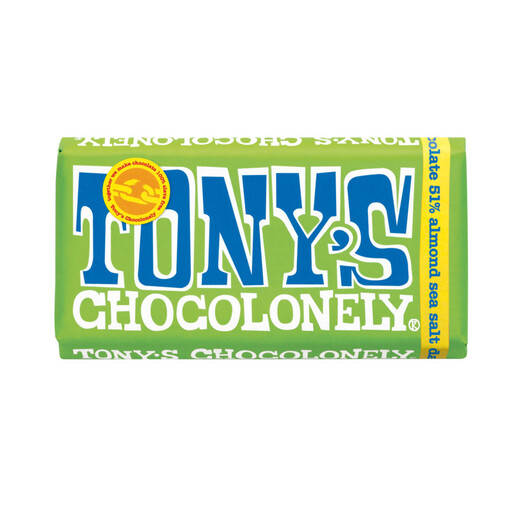
Tony’s Chocolonely Dark Chocolate, Almonds & Sea Salt 180g
This 180g sharing bar is an option if you intend to portion it yourself before leaving home; do not assume its stated servings are separately wrapped.
The recipe name identifies almonds. Check the current ingredients and allergen statement before buying for anyone with dietary restrictions, and follow the pack’s storage directions.
View on Joybuy
 No image available
Divine Chocolate 70% Dark Chocolate with Raspberries 90g
This 90g standard bar is for shoppers prepared to portion a raspberry-flavoured dark-chocolate bar themselves, not those seeking separate mini bars.
The product name states 70% cocoa. Do not rely on the listing’s vegan-friendly wording without checking the physical pack: it conflicts with milk information in the product text. Check the current allergen statement too.
View on Joybuy
Questions about gym-bag chocolate
Is dark chocolate suitable as an occasional gym-bag snack?
It can be a portable sweet snack if the amount and storage conditions work for you, but a dark or high-cocoa label does not establish a workout-nutrition benefit. Check the exact product’s nutrition panel for the amount you intend to eat.
Should I buy mini bars, 35g bars or a sharing format?
Choose separate mini bars for a small ready-to-pack piece, or separate 35g bars if you want a larger individual bar. Divine Chocolate lists those weights in 160-bar and 30-bar packs respectively. A standard bar or bag of buttons makes more sense if you are happy to portion it yourself.
What should I check for allergens and storage?
Read the current pack’s ingredients and “may contain” statement, then follow its storage directions. The Food Standards Agency explains that precautionary allergen wording indicates possible unintended presence; product listings for dark-chocolate bars also instruct shoppers to protect them from heat or keep them cool and dry.
Does a vegan label mean a dark-chocolate bar is suitable for someone with a milk allergy?
No: a vegan designation is not a substitute for checking the exact product’s allergen information. Some dark-chocolate listings carry precautionary milk warnings, and the Joybuy listing for the Divine raspberry bar has conflicting vegan-friendly and milk wording; check its current physical pack before relying on dietary suitability.
Do England’s HFSS promotion rules prevent me buying a dark-chocolate multipack?
No. Department of Health & Social Care guidance and the Food (Promotion and Placement) (England) Regulations address promotion and placement of in-scope products by relevant businesses selling to England, not a general prohibition on consumer purchases. Whether a particular chocolate product falls within those rules requires a product-specific assessment and the applicable retailer context.


