Families choosing an at-home treat
A single bar can be shared during a school break. Choose a cocoa level the recipient already enjoys, then decide how much to serve rather than treating the whole bar as one portion.


For a privately eaten school-holiday treat, choose a single bar whose cocoa intensity suits the person eating it, decide how much to serve and check the current pack for relevant allergens. Do not choose dark chocolate for food supplied by a school in England during the school day: England’s Requirements for School Food Regulations 2014 classify chocolate as confectionery. Schools elsewhere in the UK need to check their applicable national standards and school policy.
A single bar can be shared during a school break. Choose a cocoa level the recipient already enjoys, then decide how much to serve rather than treating the whole bar as one portion.
Check the exact pack’s ingredients and precautionary warnings. Dark chocolate, a vegan recipe or the absence of milk from an ingredient list does not, by itself, settle whether a bar is suitable for someone with an allergy.
Food supplied by a school during the school day is a different decision from a family’s private holiday treat. England’s Requirements for School Food Regulations 2014 include chocolate in the definition of confectionery, so choose an option that meets the applicable school-food standards instead.
Start with where the snack will be eaten. For a private treat, narrow the choice by flavour preference, the current allergen label and the amount you plan to serve.
| Priority | What to check | Your needs |
|---|---|---|
| School setting | Establish whether the food is privately eaten or supplied by a school during the school day. England’s Requirements for School Food Regulations 2014 classify chocolate as confectionery; other UK nations have separate school-food frameworks. | I’m buying a holiday treat to eat privately, not food for a school to supply. If I’m organising school food, I need to check the applicable standards and policy. |
| Allergens | Read the current pack’s ingredients and any “may contain” warning. Check the specific allergens relevant to the person eating it; do not use a vegan description as a substitute for an allergy check. | Someone sharing this bar has an allergy, so I need the wording on this particular pack before serving it. |
| Cocoa and flavour | Compare the stated cocoa percentage with flavours the recipient already likes. Divine and Lindt list 70% bars, while the cited M&S bar is 85% and Montezuma’s Absolute Black is 100% cocoa; preference cannot be determined from the percentage alone. | I want a bar the recipient will enjoy, rather than choosing the highest cocoa figure automatically. |
| Nutrition label | Compare the same measure, such as sugars per 100g, on the exact bars under consideration. Divine lists 28.9g per 100g for its 70% bar; M&S lists 15.9g per 100g for its 85% bar. Those figures describe those products, not every bar at either cocoa level. | If I’m comparing labels, I want the figures on a common basis and will also consider the amount actually served. |
| Serving amount | Check the bar weight and any stated reference portion. The cited Divine and Montezuma’s bars are 90g, while the cited Lindt and M&S bars are 100g; the full bar need not be served at once. | When sharing with children, I’d rather decide on the serving amount before opening the bar. |
Allergen statements differ between products. Lindt says its Excellence 70% bar is made to a vegan recipe but is not suitable for people with a milk allergy; Montezuma’s warns that its 100% cocoa bar may contain traces of milk, nuts and peanuts.
Read the current pack for the individual’s relevant allergens and follow their allergy-management advice. Neither cocoa percentage nor a general dietary description replaces that check.
England’s Requirements for School Food Regulations 2014 include chocolate in the definition of confectionery regardless of its cocoa percentage. A privately bought holiday treat and food supplied by a school during the school day are not the same setting.
For school-supplied food in England, choose an option that meets the school-food standards. In Scotland, Wales or Northern Ireland, check the applicable national requirements and the school’s policy.
The cited single bars weigh 90g or 100g, while nutrition is commonly shown per 100g. A bar’s weight does not decide how much to share at one time.
Choose the amount to serve before opening it, and use the pack’s portion information where provided.
These examples show how individual bars and product lines differ; check the exact product and current pack rather than applying one bar’s details to an entire brand.
Joybuy lists a Green & Black’s 90g single bar with 70% minimum cocoa solids.
Divine describes its 90g dark-chocolate bar as containing 70% cocoa and Fairtrade ingredients.
Lindt Excellence includes a 100g dark bar with 70% minimum cocoa solids.
Montezuma’s Absolute Black is a 90g bar labelled 100% cocoa and no added sugar.
Hotel Chocolat lists dark-chocolate formats including 70% slabs and 85% batons.
The M&S Collection 100g dark-chocolate bar states 85% minimum cocoa solids.
These single bars are options to consider for a privately eaten school-holiday treat, with stated cocoa contents of 70%, 72% or 85%. Choose by the recipient’s flavour preference and check the pack before serving, especially where allergies matter.
 No image available
Consider this single bar if the recipient already enjoys 70% dark chocolate. Joybuy lists 70% minimum cocoa solids and 29g sugars per 100g; its listing also warns of possible almonds, hazelnuts and milk. Check the current pack before serving.
 No image available
The stated 72% cocoa content offers another level to consider if the recipient has a preference among dark-chocolate bars. This is a 100g bar; decide how much to serve and check the current pack’s allergen statement before sharing.
 No image available
The 85% cocoa content makes this a choice to assess against an existing preference for intense dark chocolate, rather than a default for every recipient. The bar weighs 90g; check the current pack for relevant allergens and decide how much to share.
 No image available
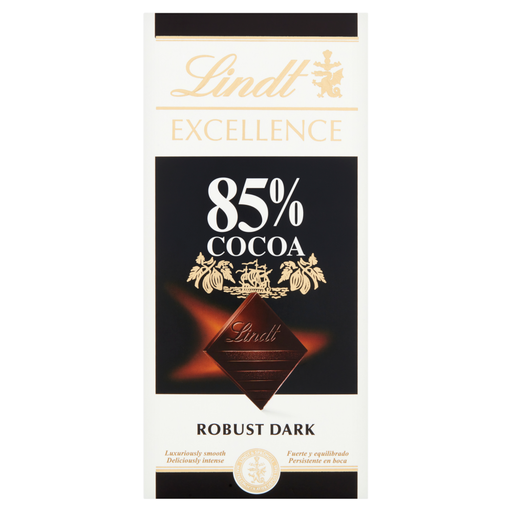
Consider the stated 85% cocoa content for someone who already enjoys that style of dark chocolate. The 100g weight is the whole bar, not a serving instruction; check the current pack’s ingredients and allergen warnings before sharing.
 No image available
This 100g bar states 85% cocoa, so check that the recipient likes this level of dark chocolate. Before serving it to anyone with an allergy, read the current pack to distinguish ingredients from precautionary allergen warnings.
Do not select a dark-chocolate bar for food supplied by a school during the school day in England. The Requirements for School Food Regulations 2014 include chocolate in the definition of confectionery, regardless of cocoa percentage. This school-food rule does not prohibit a family from buying chocolate for a private holiday treat at home.
No. School-food requirements are devolved: Scotland, Wales and Northern Ireland have their own frameworks. Check the applicable nation’s standards and the school’s policy before choosing food for a school to supply.
No. Cocoa percentage helps identify the type of bar, but it does not establish a child’s flavour preference or override an allergen warning. In England, a higher cocoa percentage also does not change chocolate’s classification as confectionery under the school-food regulations.
Do not assume it is. Lindt describes its Excellence 70% bar as made to a vegan recipe but says it is not suitable for people with a milk allergy. Check the current pack’s ingredients and precautionary warnings for the particular bar.
Read the current pack’s ingredients, allergen declaration and any “may contain” warning, then decide how much to serve. Check the date and storage instructions on the pack rather than relying solely on an online listing.