Hosts serving dark-chocolate fans
If guests want dark chocolate rather than a mixed assortment, look for a stated cocoa percentage and check whether each piece is chocolate throughout or has a fruit, wafer or other centre.


For a street party, dark chocolate buttons suit guests who want individual pieces of chocolate, while fruit-coated pieces or a wafer sharing box offer different flavours and textures. Choose the format your guests will enjoy, then check the exact pack for allergens and storage instructions; a box can be practical for passing around without being a sharing bag.
If guests want dark chocolate rather than a mixed assortment, look for a stated cocoa percentage and check whether each piece is chocolate throughout or has a fruit, wafer or other centre.
Check the exact pack before serving. Even a product labelled vegan can contain soya or carry precautionary statements for milk and nuts, as Montezuma’s states for its 60% dark chocolate buttons.
A community street party and food provided to pupils at a state-funded school are different settings. The Department for Education says school food standards apply to food provided to pupils on school premises; confirm with the school how they apply to the planned event.
Start with what is inside each piece, then check whether the pack and its handling instructions suit an outdoor gathering.
| Priority | What to check | Your needs |
|---|---|---|
| Chocolate and centres | Read the cocoa-solids statement and the product description. Montezuma’s lists 60% cocoa solids for its buttons; M&S lists at least 70% for the chocolate coating on its sour cherries. Lindt describes its sharing box as wafer, filling and dark-chocolate covering. | I want to know whether guests will get pieces of dark chocolate or a snack with fruit, wafer or filling. |
| Allergens | Check the exact pack’s ingredients, declared allergens and any precautionary statements. Montezuma’s says its buttons contain soya and may contain milk, tree nuts and peanuts. | Guests with allergies need a product checked against their own requirements; a vegan label alone is not enough. |
| Serving format | Check whether the pieces can be passed around without dividing a bar, and whether the opened pack can be closed again. M&S places its coated cherries in its sharing-bag range; Lindt labels its wafer product a sharing box. | For a busy table, I would rather offer separate pieces than break up a bar during the party. |
| Outdoor handling | Follow the chosen pack’s storage and after-opening directions. M&S says to keep its coated cherries cool, dry and away from sunlight, then reseal them and eat within one week of opening. | I need to keep reserve packs protected during the event and know what to do with leftovers. |
| School setting | If a state-funded school in England will provide food to pupils on school premises, check the event with the school. Department for Education guidance identifies this as a school-food setting, and the Requirements for School Food Regulations 2014 define chocolate as confectionery. | Is this a community party, or will the school provide the chocolate to pupils? That distinction needs resolving before buying for a school event. |
Lindt’s dark sharing box contains wafer and filling, while M&S’s coated sour cherries contain fruit. The name alone does not describe the whole snack.
Read the composition alongside the cocoa percentage. Choose buttons when separate chocolate pieces suit the group; choose fruit or wafer only if those additions appeal to guests.
Montezuma’s labels its 60% buttons vegan but also states that they contain soya and may contain milk, tree nuts and peanuts. The Food Standards Agency explains that precautionary allergen labelling communicates possible unintended allergen presence.
Check the exact pack’s ingredient and allergen information against each affected guest’s requirements rather than relying on a suitability label alone.
An HFSS description does not establish how England’s school food standards apply to a particular event. Department for Education guidance concerns food provided to pupils at state-funded schools on school premises, while the 2014 school-food regulations define chocolate as confectionery.
If the school will provide the food to pupils, ask it to confirm what can be served in that setting before purchasing.
M&S directs buyers to store its dark-chocolate-coated cherries in a cool, dry place away from sunlight and to reseal the pack after opening.
Keep reserve packs out of direct sun and follow the chosen product’s own directions for opened packs and leftovers.
These brands illustrate different dark-chocolate formats; their ranges are not interchangeable with a bag of plain pieces.
A button format for hosts who want individual pieces of dark chocolate. Montezuma’s lists its Giant 60% Dark Chocolate Buttons in a 120g pack.
A fruit-and-chocolate option: M&S places its 130g dark-chocolate-coated sour cherries in its sharing-bag range.
A 130g dark-chocolate sharing box for a group that wants a wafer-based snack.
A brand to consider if a dark-chocolate sharing bar, rather than loose pieces, suits the event.
An assortment or selector format to consider when guests will choose pieces rather than take them from a loose sharing bag.
These boxed dark-chocolate options suit a street party where guests can take individual pieces; neither is presented as a sharing bag. Check the pack details if individual wrapping or resealability matters to you.
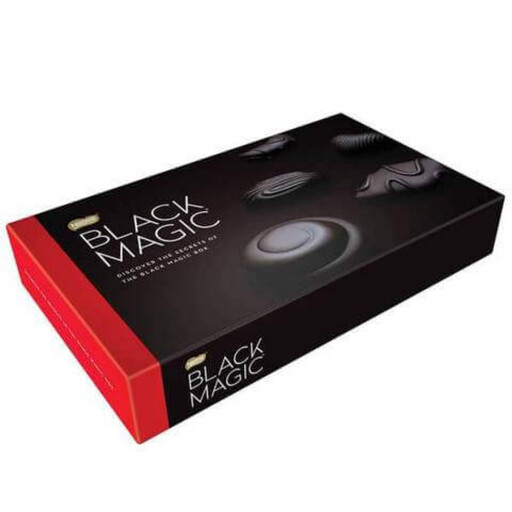 No image available
This 348g box is an option when you want to offer dark chocolates rather than divide a bar at the party. Check the exact pack’s ingredients and allergen statements for guests, and confirm whether the pieces are individually wrapped or the box can be closed after opening if those details matter.
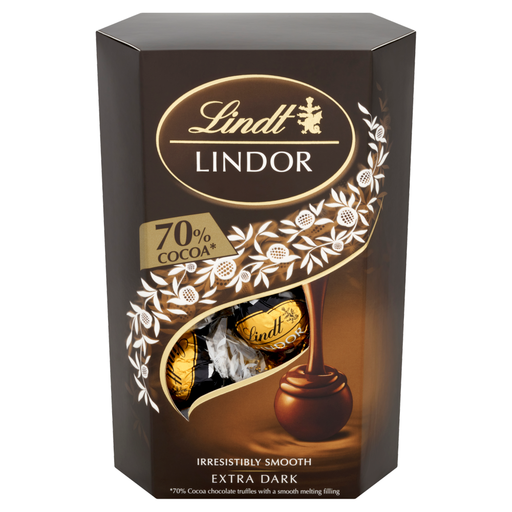 No image available
This 200g Lindor dark-chocolate option is worth considering when separate truffles suit the way you plan to serve guests. Its name states 70% cocoa; check the exact pack for allergens, storage directions, individual wrapping and how to close it after opening.
Check the event’s setting with the school before buying. Department for Education guidance says England’s school food standards apply to food provided to pupils at state-funded schools on school premises; the Requirements for School Food Regulations 2014 define chocolate as confectionery. Calling a product dark chocolate or HFSS does not, by itself, settle what the school may provide at a particular event.
Read the exact pack’s ingredients, declared allergens and any precautionary statements before serving. Montezuma’s says its 60% dark chocolate buttons contain soya and may contain milk, tree nuts and peanuts, so a vegan label is not an allergy assessment.
Follow the directions on the chosen product and keep packs protected until serving. For its dark-chocolate-coated sour cherries, M&S specifies a cool, dry place away from sunlight and says to reseal the pack and eat within one week after opening.