Hosts serving a mixed tea table
A plain bar around 70–74% cocoa gives you a starting point to offer beside cakes, scones and tea. Choose a format you can share easily, and check the exact pack if guests have dietary restrictions.


For a mixed afternoon-tea table, a plain 70–74% cocoa bar is a practical starting point, not a guarantee about taste. Consider a flavoured bar when the chocolate is part of a deliberate tea pairing, or a higher-cocoa bar when guests prefer a more intense, less-sweet flavour. Check the exact pack’s ingredients and allergen warnings before serving; a dark or vegan description does not establish allergy suitability.
A plain bar around 70–74% cocoa gives you a starting point to offer beside cakes, scones and tea. Choose a format you can share easily, and check the exact pack if guests have dietary restrictions.
If chocolate is part of the tasting rather than a small accompaniment, compare ingredients and published flavour notes. Reserve higher-cocoa bars for people who already enjoy a more intense, less-sweet flavour.
Read the ingredients and precautionary allergen wording on every pack you intend to serve. Cocoa percentage and a vegan recipe description cannot answer an individual guest’s allergy question.
Start with the flavour your guests are likely to enjoy, then choose a serving format and check the exact product label.
| Priority | What to check | Your needs |
|---|---|---|
| Cocoa and flavour | Compare the cocoa percentage, ingredients and any tasting notes. M&S describes higher-cocoa chocolate as generally more intense and less sweet; the percentage alone does not describe every flavour. | I want clear cocoa flavour beside tea and cakes, without choosing an especially intense bar for guests who may prefer something milder. |
| Plain or flavoured | Check additions such as fruit, salt or nuts, along with any pairing suggestions for the exact recipe. Lindt publishes tea-pairing guidance for selected EXCELLENCE chocolates, not every dark bar. | With plenty of flavours already on the table, I may choose plain chocolate. For a tasting, I want to know what a flavoured bar adds. |
| Allergens | Read both the ingredients list and any precautionary ‘may contain’ statement on the pack. Check a dietary claim against the specific guest’s restrictions. | Someone I’m serving has a dietary restriction, so I need the information for the exact bar, not an assumption based on ‘dark’ or ‘vegan’. |
| Serving format | Compare the pack weight and whether it is a ready-to-serve bar, a selector or chocolate intended for cooking. Think about how you will portion it. | For a small tea, I want a bar I can break and share; for baking or a larger table, another format may be more useful. |
| Ingredient preferences | Look for the relevant claim on the exact product: for example, Divine describes its 70% bar as using Fairtrade cocoa and sugar. Check current packaging for any preference that matters to you. | I may want to consider stated sourcing or ingredient attributes as well as cocoa percentage, without assuming they apply to every bar from a brand. |
Cocoa percentage can indicate a more intense, less-sweet direction, as M&S explains, but it does not tell you which flavour additions a bar contains or whether guests will enjoy it with their tea.
Use a 70–74% bar as a starting point for a mixed table, then compare the exact ingredients and any tasting notes.
Lindt says its EXCELLENCE 70% bar is made to a vegan recipe but is unsuitable for people with a milk allergy. Divine’s 70% bar carries a ‘may contain’ warning for milk, gluten and nuts.
Check the ingredients and precautionary allergen wording on each pack before offering it to a guest with an allergy.
Montezuma’s 74% couverture is described for melting, moulding and decorating as well as eating. A ready-to-serve bar may take less preparation when you only want a few pieces on a plate.
Choose a cooking format when you plan to bake or decorate with the chocolate; otherwise, check whether a standard bar fits the number of guests.
Ingredients and allergen details can differ from information viewed before purchase. M&S advises shoppers to read the product label rather than rely solely on its website.
Check the pack’s current ingredients, allergen wording, best-before date and storage instructions before serving.
These brand examples describe particular ranges or products; check the chosen bar’s label rather than applying one product’s details across a brand.
Divine offers a plain 70% dark bar and smaller serving formats. The company describes itself as farmer co-owned.
The EXCELLENCE range includes 70% and 78% dark bars, with tasting or tea-pairing information for selected recipes.
Montezuma’s offers 74% dark chocolate in bar and couverture formats; the latter is relevant when afternoon tea also involves baking or decorating.
Its 70% dark slab selector offers a different serving format from a single bar for a group table or gift.
M&S offers both ready-to-serve dark chocolate and chocolate intended for baking.
These bars offer plain, raspberry-flavoured and higher-cocoa options for different afternoon-tea tables. Compare their pack sizes and check the exact label before serving.
 No image available
A plain 70% bar to consider for a small shared tea table. Its allergen information says it may contain almonds, hazelnuts and milk; check the pack before serving guests with restrictions.
 No image available
This 72% bar is an option when you want chocolate to serve as pieces at tea. Its allergen information lists soya and says it may contain cereals containing gluten, milk, nuts and peanuts; check the pack.
 No image available
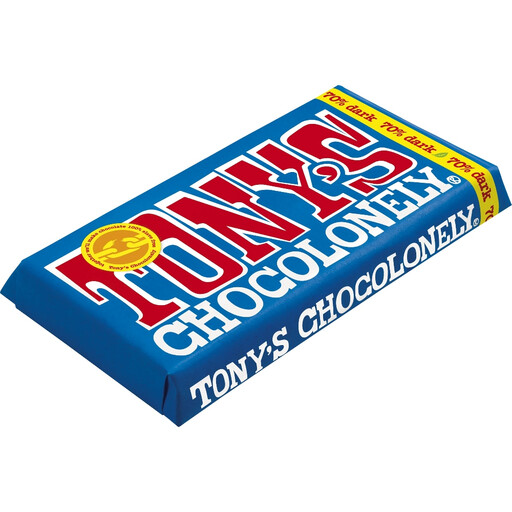
The 180 g bar is a larger format to consider for a shared table. Its allergen information lists soya and says it may contain gluten, eggs, milk, peanuts and nuts; check the exact pack.
 No image available
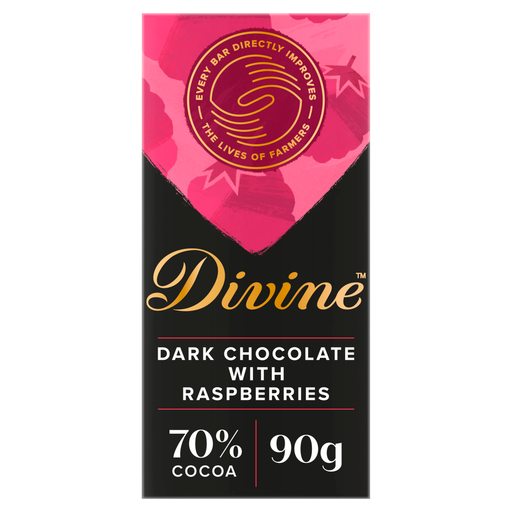
Choose this raspberry bar when you want a flavoured chocolate rather than a plain accompaniment. Its product information contains conflicting dietary wording and lists milk in the detailed ingredient and allergen information; do not treat it as vegan or suitable for a milk allergy without checking the current pack. It also says it may contain gluten and nuts.
 No image available
Consider this 85% bar when guests specifically want a more intense, less-sweet cocoa flavour rather than a milder accompaniment. Its allergen information says it may contain almonds, hazelnuts and milk; check the pack.
A 70–74% bar is a practical first choice for a mixed afternoon-tea table, but guests’ tastes still matter. M&S describes higher-cocoa chocolate as generally more intense and less sweet, so consider a higher percentage when guests already enjoy that profile.
Plain chocolate keeps the addition simple when cakes, jam and tea already bring several flavours. A flavoured bar can be part of a deliberate tasting; check its additions and allergens, and use pairing suggestions for the specific recipe rather than assuming it suits every tea.
Not necessarily. Lindt says its EXCELLENCE 70% bar is made to a vegan recipe but is unsuitable for people with a milk allergy because it is made in a facility that uses milk. Read the exact pack’s ingredients and precautionary wording before serving it.
The Food Standards Agency explains that precautionary allergen labelling communicates that a regulated allergen could be unintentionally present. Read it separately from the ingredients list when checking a chocolate for a guest with an allergy.
Use the online information to narrow your choices, then check the pack you receive. M&S advises shoppers to read the product label rather than rely solely on website information, particularly when ingredients, dietary details or allergens matter.