Hosts looking for a chocolate-coated biscuit
A coated custard cream can bring chocolate to a sharing table, but the Tesco, Asda and M&S versions described here use milk chocolate. Check the exact pack if dark chocolate is part of the menu.


If dark chocolate is essential, check the exact custard-cream pack rather than assuming a chocolate coating is dark: Tesco, Asda and M&S describe their cited coated versions as milk chocolate. Choose a coated custard cream when milk chocolate suits the menu, a plain one when the custard-cream format matters more than chocolate, or a clearly labelled dark-chocolate biscuit when that format is optional. Check the current pack’s allergens and quantity before serving.
A coated custard cream can bring chocolate to a sharing table, but the Tesco, Asda and M&S versions described here use milk chocolate. Check the exact pack if dark chocolate is part of the menu.
If a conventional custard cream will do, compare pack quantities with the number of guests and the other food you plan to serve.
Keep the current pack available so guests can check its ingredients and allergen statements. Wheat, milk and soya are particularly relevant checks across the plain and coated products discussed here.
Decide whether dark chocolate or the custard-cream format matters more, then check the exact product you intend to put on the table.
Choose when: You want a chocolate-coated custard cream and milk chocolate suits the menu.
Bear in mind: The Tesco, Asda and M&S products described here are not dark-chocolate custard creams.
Choose when: A familiar sandwich biscuit matters more than chocolate coating.
Bear in mind: Plain custard creams do not satisfy a dark-chocolate requirement.
Choose when: Dark chocolate matters more than serving a custard cream.
Bear in mind: A digestive or Hobnob is a different biscuit; check its own ingredients and cocoa description.
| Priority | What to check | Your needs |
|---|---|---|
| Chocolate type | Read the exact product description for “dark” or “milk” chocolate. Compare cocoa-solids declarations only for the products to which they apply: Tesco states 27% minimum and M&S 28% minimum for the milk chocolate in their cited custard creams. | If I want a dark-chocolate flavour, a chocolate-coated custard cream labelled “milk chocolate” will not meet that requirement. |
| Allergens | Check the current pack’s ingredients, highlighted allergens and any “may contain” statement. Keep the packaging available beside shared food. | Guests need to be able to check whether a particular biscuit suits their allergies before taking one. |
| Serving size | Compare nutrition figures on the same stated basis, such as per biscuit or per 100 g. Check biscuit weight before comparing per-biscuit figures from different products. | I want to know what one serving represents when setting out biscuits alongside other festival food. |
| Pack quantity | Check net weight and, where stated, biscuit count. Match the amount you buy to guest numbers and the rest of the table. | A pack should fit the gathering; its weight alone does not tell me how many biscuits each guest could have. |
Tesco, Asda and M&S describe the coated custard creams discussed here as milk-chocolate products. They would change a menu intended to feature dark-chocolate custard creams.
Look for an explicit dark-chocolate description on the exact pack, and check its cocoa declaration if one is given.
Pack weights vary: the cited Tesco coated custard creams are 162 g, while the cited Asda plain pack is 400 g. Neither figure alone establishes a biscuit count.
Check net weight and any stated count against your guest numbers before choosing a pack format.
Ingredients and allergen statements can change, and precautionary wording can matter to an affected guest.
Inspect the physical pack bought for the event and keep it available for guests. Do not describe biscuits as allergen-free without support from that pack.
The product storage directions described for these biscuits call for cool, dry conditions; M&S and Asda also specify avoiding sunlight for the cited products.
Follow the pack directions, keep reserve biscuits appropriately stored and put out smaller batches when conditions make storage difficult.
These examples distinguish the biscuit formats discussed here; a brand name alone does not establish that a particular product contains dark chocolate.
Its cited coated custard cream is a chocolate-led format, but the coating is milk chocolate.
The cited range includes a milk-chocolate-coated custard cream and a plain custard-cream option.
Its cited products offer a 400 g plain custard-cream pack and a separate 162 g milk-chocolate-coated format.
The cited 200 g product is a plain custard cream rather than a chocolate-coated biscuit.
Tesco lists McVitie’s dark-chocolate digestives and dark-chocolate Hobnobs as different biscuit types.
These options include dark-chocolate digestives and a KitKat product labelled Cacao 72%. They are alternatives for a festival table only when serving a custard cream is optional.
 No image available
Consider this twin pack when dark-chocolate biscuits can take the place of custard creams on the table. They are digestives, not custard creams; check the current pack’s ingredients and allergens before serving.
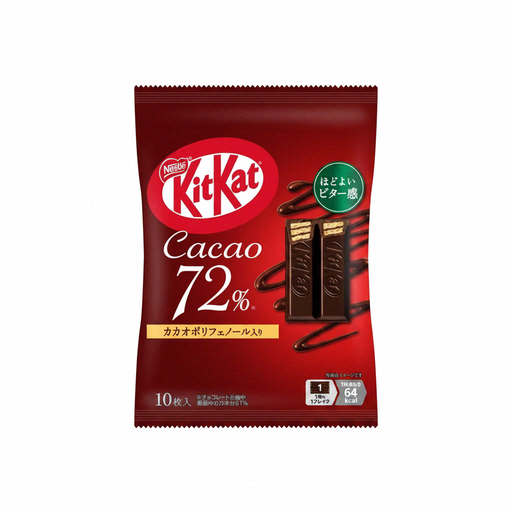 No image available
The product name states Cacao 72% and identifies cookies rather than custard creams. Check the exact pack to see what the percentage describes, how much it contains and whether its ingredients suit your guests.
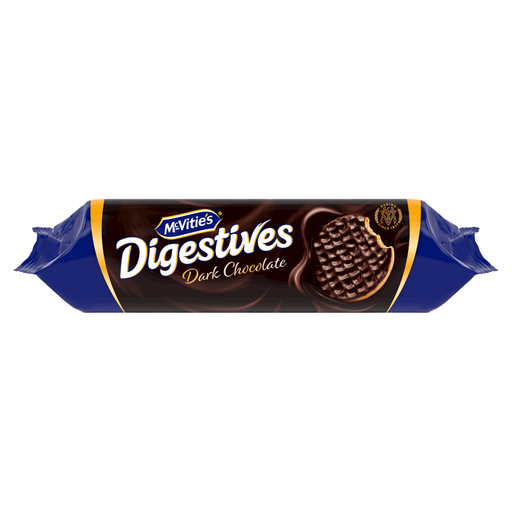 No image available
This 400 g pack offers dark-chocolate digestives for a sharing table where the custard-cream format is optional. Check the current pack’s biscuit count, ingredients and allergens for your event.
No. Tesco, Asda and M&S describe the cited coated products as milk-chocolate custard creams. Tesco gives a cocoa-solids minimum of 27% for its milk chocolate and M&S gives 28% for its milk chocolate; neither declaration changes the stated chocolate type. Check the exact pack if dark chocolate is essential.
Choose a coated version if you want a chocolate-coated custard cream and milk chocolate suits your guests. Choose plain if the familiar custard-cream format matters more than a coating. For a group, check the pack quantity and allergens of the specific product before serving.
Yes. Check the physical pack and keep it available for guests to inspect, particularly when biscuits are placed on a shared table. The Food Standards Agency explains that food businesses must provide allergen information; the pack you serve is the relevant place to check that product’s ingredients and precautionary statements.
Follow the exact pack’s storage directions and keep reserve biscuits in the stated cool, dry conditions. Avoid sunlight where the pack instructs you to, and check its directions for storing biscuits after opening.
Yes, if the custard-cream format is optional. Tesco lists McVitie’s dark-chocolate digestives as a distinct biscuit type, not a custard cream. Check the particular pack’s chocolate description, ingredients and allergens before making the substitution.