Families planning a half-term treat
A custard-cream-style biscuit may suit a snack shared at home. Check the pack and per-biscuit information when deciding what to serve, rather than treating a chocolate coating as a nutritional advantage.


The M&S, Tesco and Asda chocolate-coated custard creams described by their retailers use milk chocolate, not dark chocolate. For a half-term treat, choose between them by pack format, portion information and the current allergen label; if dark chocolate is essential, look at a different biscuit category rather than treating a milk-chocolate coating as equivalent.
A custard-cream-style biscuit may suit a snack shared at home. Check the pack and per-biscuit information when deciding what to serve, rather than treating a chocolate coating as a nutritional advantage.
Check the stated chocolate type, not the biscuit’s appearance. The M&S, Tesco and Asda coated custard creams described by their retailers are milk-chocolate products, so a dark-chocolate biscuit would mean changing format.
Read the current pack before serving a coated custard cream where wheat, milk or soya matters. A plain custard cream labelled for a different dietary requirement is not necessarily a chocolate-coated alternative.
Start with the chocolate type: it determines whether a coated custard cream can meet a dark-chocolate preference. Then compare portions, pack format and the current ingredients label.
| Priority | What to check | Your needs |
|---|---|---|
| Biscuit format | Decide whether the vanilla-filled custard-cream format matters, and whether a coating is wanted. Check the number of biscuits or portions when planning to share. | I want a familiar biscuit for a half-term snack, whether plain or chocolate-coated. In a September 2025 British Nutrition Foundation survey of over 2,500 UK children aged 10–13, 32% named biscuits or cookies among the foods they ate most often as a snack; that describes snack frequency, not a preference for custard creams. |
| Chocolate type | Look for an explicit dark-chocolate description if dark chocolate is required. M&S and Tesco label their coated custard creams as milk chocolate, with minimum cocoa solids of 28% and 27% respectively in that chocolate; those figures do not make either biscuit dark chocolate. | If dark chocolate is the point of the treat, I would choose a biscuit labelled dark chocolate rather than rely on a dark-looking coating. |
| Portions and nutrition | Compare labels on the same basis: per biscuit or per 100g. Tesco labels one coated custard cream as 139kcal, 4.0g saturates and 12.8g sugars; Asda lists 139kcal, 4.0g saturates and 13g sugars per biscuit. | I want to decide how many biscuits to serve, not judge a portion by pack size alone. In the British Nutrition Foundation’s September 2025 survey of over 2,500 UK children aged 10–13, 33% said choosing a healthy snack from a shop was easy; that response does not assess these biscuits’ nutrition. |
| Allergens | Check the current ingredients and allergen statement on the pack. Tesco and Asda list wheat, milk and soya for their coated custard creams; do not assume a differently labelled custard cream has the same ingredients. | Where an allergy affects someone eating the snack, I need a clear, current label for the exact product being served. |
M&S, Tesco and Asda describe their coated custard creams as milk-chocolate products. The cocoa-solids declarations for the M&S and Tesco milk chocolate do not change the stated chocolate type.
If dark chocolate is required, look for that description on the current pack; otherwise consider a different biscuit format.
Department for Education school-food guidance concerns state-funded schools in England, while Department of Health and Social Care guidance on certain HFSS promotions concerns affected retailers selling in England. Neither makes those rules a blanket prohibition on a family’s half-term biscuit at home.
For food provided by a school, check the nation, institution and current catering requirements rather than applying a home-snack decision to school provision.
Tesco and Asda each label one of their coated custard creams as 139kcal and 4.0g saturates. A pack intended for sharing does not alter the figures for each biscuit.
Decide how many biscuits to serve, then compare the current labels using the same per-biscuit or per-100g measure.
Ingredients can change, which matters particularly when wheat, milk or soya is relevant to someone eating the biscuits.
Read the physical pack’s current ingredients and allergen statement before serving it. If the information needed for that person is unclear, do not rely on an older listing.
These brand examples distinguish milk-chocolate-coated custard creams from a plain custard cream; they do not establish that every product from a brand has the same ingredients.
M&S describes its 191g Outrageously Chocolatey Milk Chocolate Coated Custard Cream as “more chocolate than biscuit”. It is a milk-chocolate option, not a dark-chocolate one.
Tesco’s 162g Milk Chocolate Coated Custard Creams retain the filled-biscuit format beneath a milk-chocolate coating.
Asda describes its 162g coated custard creams as biscuits covered in milk chocolate, not dark chocolate.
McVitie's Tasties Custard Creams are a plain, cream-filled biscuit option rather than a chocolate-coated one.
These Joybuy options are biscuits for shoppers who want to move away from a milk-chocolate-coated custard cream in search of dark chocolate or a stated cacao percentage. They are not custard creams, so check each pack if the filled-biscuit format matters.
 No image available
For sharing a biscuit labelled dark chocolate rather than a coated custard cream, this twin pack contains two 266g packs of digestives. Check the current pack’s ingredients and allergens before serving.
 No image available
This 400g pack offers a biscuit labelled dark chocolate for a shared snack. Digestives have a different format from cream-filled custard creams; check the current pack for ingredients and allergens.
 No image available
For a different biscuit flavour with dark chocolate stated in the name, this 285g pack combines oat and ginger rather than a custard-cream filling. Check the current ingredients, including sweeteners and allergens, if either affects your choice.
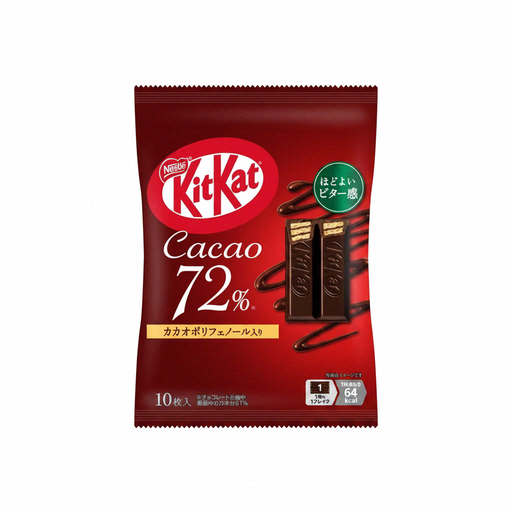 No image available
The name states 72% cacao for shoppers comparing labelled cacao figures. This KitKat wafer biscuit is not a custard cream; check the pack to see what the percentage describes and to confirm ingredients and allergens.
No: M&S, Tesco and Asda describe the coated custard creams discussed here as milk-chocolate products. M&S states at least 28% cocoa solids in its milk chocolate and Tesco states at least 27%; neither declaration changes the chocolate type to dark.
No. Department of Health and Social Care guidance addresses promotion and placement of certain high-fat, sugar or salt foods by affected businesses selling in England, not a prohibition on a household buying biscuits to eat at home. That retail scope is separate from school-food requirements.
No single UK-wide conclusion follows from the England guidance cited here. Department for Education guidance on school food applies to state-funded schools in England; its September 2026 guidance describes updated standards planned for September 2027 as subject to Parliamentary approval. For school provision, check the applicable nation, school and current catering requirements.
Check the current pack’s full ingredients and allergen statement before serving. Tesco and Asda list wheat, milk and soya for their coated custard creams, and M&S product information also identifies those ingredients; a listing for another product or an older pack is not a substitute for the label in hand.
Schär Gluten-Free Custard Creams are listed by Asda as wheat-free and lactose-free, but they are plain custard creams, not a dark-chocolate-coated alternative. Check the current pack against the specific ingredients you need to avoid.