Hikers looking for a stated cocoa percentage
A bar with a cocoa percentage on its label gives you a figure to check. A dark-fudge name alone does not tell you its cocoa-solids content.


Choose dark fudge if you want fudge specifically and can check the current pack’s ingredients, allergens and condition before your walk. If a stated cocoa percentage is the deciding factor, choose a cocoa-labelled dark chocolate bar instead: Sainsbury’s lists a Lindt Excellence bar with 70% minimum cocoa solids, but it is chocolate, not fudge. Pack either sweet as part of a wider food plan rather than as your only hiking food.
A bar with a cocoa percentage on its label gives you a figure to check. A dark-fudge name alone does not tell you its cocoa-solids content.
If fudge is what you want, consider how much to pack and whether its packaging will protect it on the walk. Include other food suited to the length and conditions of your route.
Read the exact current pack rather than relying on the flavour name. The Lindt 70% bar listed by Sainsbury’s, for example, carries a precautionary statement for nuts, milk, soya and sesame seeds.
Decide whether you want fudge itself or a declared cocoa percentage, then check the pack against the food and carrying conditions of your walk.
| Priority | What to check | Your needs |
|---|---|---|
| Cocoa content | Look for a cocoa-solids percentage on the exact product. A dark flavour or coating does not establish one; Sainsbury’s lists the Lindt Excellence Dark 70% Cocoa bar as containing 70% minimum cocoa solids. | I want to know the stated cocoa level before choosing. A labelled chocolate bar meets that requirement more clearly than fudge identified only by its dark-chocolate flavour. |
| Food for the walk | Consider the sweet’s portion alongside the other food you will carry. Mammut’s hiking-food guidance discusses carbohydrates, protein and fats across the wider food plan. | For a longer walk, I want food beyond a single sweet product; fudge or chocolate would be one part of what I pack. |
| Allergens and label | Read the current ingredients, emphasised allergens and precautionary statements for the exact product. Sainsbury’s Lindt 70% listing says it may contain nuts, milk, soya and sesame seeds. | I need to make the decision from the pack I am buying, not assume that all dark chocolate or fudge has the same ingredients. |
| Packing conditions | Follow the product’s storage instructions and check whether its packaging will protect it from heat or crushing in your bag. | If the snack will be carried for hours, I want a portion and pack that work for my route and expected conditions. |
Dark-chocolate flavour or coating does not, by itself, establish a fudge’s cocoa-solids percentage. You could choose fudge when the figure on the label was what mattered to you.
If cocoa content is your deciding criterion, look for a declared percentage on the exact pack. Otherwise, choose fudge for its stated flavour rather than an assumed cocoa level.
Fudge or chocolate alone does not make up the wider food mix discussed in Mammut’s hiking-food guidance.
Plan what else to carry for the duration and conditions of your walk, and portion the sweet as one item within that plan.
These examples help distinguish fudge from cocoa-labelled chocolate; they do not imply that every product from a brand has the same composition.
Waitrose & Partners lists its Dark Chocolate & Caramel Fudge as a fudge product.
The Lindt Excellence Dark 70% Cocoa bar listed by Sainsbury’s states 70% minimum cocoa solids.
Sainsbury’s product listing supplies the cocoa declaration and precautionary allergen wording for the Lindt Excellence Dark 70% Cocoa bar.
Marks & Spencer describes chocolate fudge in its fudge-and-toffee range and separately lists an 85% dark chocolate bar.
The Cornish Fudge shop lists Black Clotted Cream Fudge.
These options are dark chocolate bars with cocoa percentages in their product names. They suit a search for a stated cocoa level, but none is fudge; check the current pack for ingredients, allergens and carrying instructions.
 No image available
A cocoa-labelled bar to consider when the stated percentage matters more than choosing fudge. The product name specifies 85% cocoa and a 100g bar; check the current pack for allergens and how to protect it during the walk.
 No image available
This is another labelled-chocolate option rather than fudge. Its name identifies 72% cocoa, the Dominican Republic variant and a 100g bar; read the exact pack for allergens and storage instructions before packing it.
 No image available
The product name gives an 85% cocoa figure on a 90g chocolate bar, not fudge. If allergens affect your choice, read the exact pack to distinguish ingredients from precautionary warnings; check how you will protect the bar from crushing.
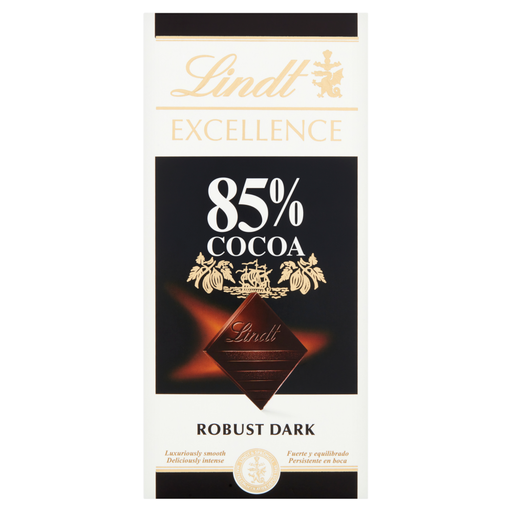 No image available
This 100g chocolate bar is named as 85% cocoa, so it addresses a stated-cocoa preference rather than a preference for fudge. Check the current pack’s allergen and storage wording, and decide how much to carry alongside your other food.
The name alone does not establish one: “dark” may describe the fudge’s flavour or coating. If a stated percentage matters, check the exact fudge pack; Sainsbury’s Lindt Excellence Dark 70% Cocoa bar provides a labelled chocolate alternative, not a fudge equivalent.
Plan other food as well. Mammut’s hiking-food guidance discusses a mix of carbohydrates, protein and fats, so treat fudge as one sweet item within a plan suited to the length and conditions of your walk.
Read the exact current pack’s ingredients, emphasised allergens and precautionary wording. Sainsbury’s listing for Lindt Excellence Dark 70% Cocoa says the bar may contain nuts, milk, soya and sesame seeds; that statement applies to that product, not to every dark sweet.