For a jelly-sweet treat at home, do not choose by a supposed high-cocoa content: cocoa percentage is a dark-chocolate specification, not a useful way to compare the fruit-flavoured jelly sweets considered here. Compare labelled sugars at the same weight, decide how much of the pack to serve, and check the exact product’s ingredients if gelatine or vegan suitability matters. Rules for food provided by schools in England have a different scope from a family snack at home.
Who is this for?
Families planning occasional holiday treats
If jelly sweets are one of several snacks during the day, a defined portion and the sugars shown on the pack make the choice easier to assess. In a British Nutrition Foundation survey of 2,592 young people aged 10–13, conducted in schools in November 2024, 79% usually had two or more snacks a day and 76% normally snacked after school during the week. Those figures describe snacking habits, not jelly-sweet purchases.
Families checking for gelatine
Dietary suitability differs between sweets, even within one brand. Haribo Goldbears and the reviewed Fruitilicious sweets list gelatine; Nestlé describes the reviewed Rowntree’s Jelly Tots and Fruit Pastilles as vegan-friendly. Check the current pack for the exact recipe and any relevant allergen information.
People arranging food through a school in England
A treat eaten at home during the holidays is a different situation from food provided by a school. Department for Education school-food guidance concerns state-funded schools in England; check the applicable rules and school policy when arranging school-provided food.
What matters when choosing?
Start with the occasion and the portion you intend to serve, then compare labels on the same basis and check the ingredients of the exact sweet.
| Priority | What to check | Your needs |
|---|
| Portion |
Check the pack size, whether it contains separate bags, and the weight of any stated serving. Decide on a portion before opening a sharing bag. |
I want a clear amount for an occasional treat, rather than treating the whole bag as one serving. In the British Nutrition Foundation’s November 2024 school survey of 2,592 young people aged 10–13, 79% usually had two or more snacks a day; that measures snack frequency, not sweet consumption. |
| Occasion |
Choose the quantity for the intended occasion and consider what else is being offered that day. Fruit flavour does not make a sweet equivalent to fruit. |
For a snack after an activity or during the holidays, I want to decide whether sweets fit this occasion. In the same British Nutrition Foundation survey, 76% normally had a snack after school during the week; the figure does not identify which snack they chose. |
| Labelled sugars |
Compare sugars per 100g across products, then use the intended portion weight to work out its labelled total sugars. Do not compare a serving counted in sweets directly with one measured in grams. |
If I am comparing two bags, I want the figures to refer to the same weight. Nestlé lists 7.6g sugars per seven Jelly Tots and 14.3g per seven Fruit Pastilles, but those sweet counts do not establish equal serving weights. |
| Ingredients |
Read the exact pack’s ingredient and dietary statements for gelatine and any other ingredients you need to avoid. Recheck the label when buying, as recipes can change. |
When avoiding gelatine matters, I cannot decide from the brand or the words ‘jelly sweets’ alone. Haribo lists gelatine in Goldbears, while it describes its Jelly Beans as suitable for vegans. |
| Meaning of ‘dark’ |
Decide whether you mean a dark colour or a stated cocoa percentage. For a cocoa-rich product, compare dark chocolate as a separate category. |
I want to know what the word means before using it to choose: dark-coloured fruit sweets do not establish a cocoa content. |
What is easy to overlook?
-
Mistaking fruit wording or dark colour for cocoa content
The reviewed jelly sweets are fruit-flavoured confectionery; fruit flavour or a dark appearance does not identify a cocoa percentage or make them equivalent to fruit.
If cocoa content is the deciding requirement, look at dark chocolate instead. For jelly sweets, use the product’s sugars, portion and ingredient label.
-
Comparing unlike servings
Seven sweets, 25g and an entire sharing bag are different measures. A lower number of grams of sugar per stated serving does not establish a lower amount at equal weight.
Compare per-100g values first, then calculate the labelled sugars for the weight you intend to serve.
-
Assuming every jelly sweet is vegan
The reviewed Haribo Goldbears and Fruitilicious sweets list gelatine, whereas particular Rowntree’s sweets and Haribo Jelly Beans carry manufacturer vegan statements.
Check the current ingredient and dietary information for the exact product, particularly if cross-contact or allergens also matter.
-
Applying school-food rules to a snack at home
Department for Education guidance on school food concerns food and drink provided in state-funded schools in England. That scope differs from a family buying a holiday treat to eat at home.
For food supplied through a school, check the current rules for the relevant nation and the school’s policy rather than assuming a rule for home snacks applies.
Relevant brand references
These examples describe particular sweets and labels, not the suitability of every product made by each brand.
Rowntree’s
A reference point for fruit-flavoured sweets with manufacturer-stated vegan options.
- Nestlé describes its reviewed Jelly Tots and Fruit Pastilles as vegan-friendly. It lists 7.6g sugars per seven Jelly Tots and 14.3g per seven Fruit Pastilles; compare by weight before drawing a product-to-product conclusion.
- For strict cross-contact requirements, inspect the current Jelly Tots pack: the manufacturer says they are made on a line also used for products containing ingredients unsuitable for vegans.
Haribo
Its reviewed sweets illustrate why dietary suitability needs an exact-product check.
- Haribo describes its Jelly Beans as suitable for vegans.
- Haribo Goldbears list gelatine, as does the reviewed Fruitilicious product listed by ASDA. A vegan statement for Jelly Beans does not apply to those sweets.
Tesco
Its own-label Fruit Jellies are another product whose current pack information can be checked when choosing fruit-flavoured sweets.
- Tesco advises checking the product label because ingredients, nutrition, dietary information and allergens may change.
Joybuy jelly-sweet options
These fruit-flavoured chewy sweets include separate packs, a multipack and sharing bags. Choose by the amount you intend to serve, and check the current pack where ingredients or dietary suitability matter.
 No image available
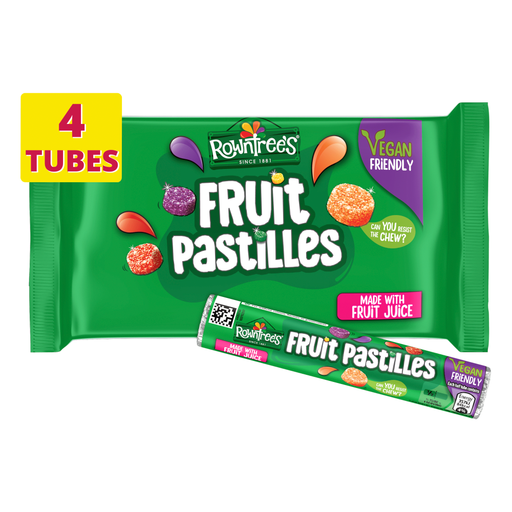
Rowntree’s Fruit Pastilles 4 × 41g
Four separate 41g packs offer a pack boundary for treats on different occasions. Check the current ingredients and dietary statement before relying on vegan suitability; the listing also carries a choking warning for children under four.
View on Joybuy
 No image available
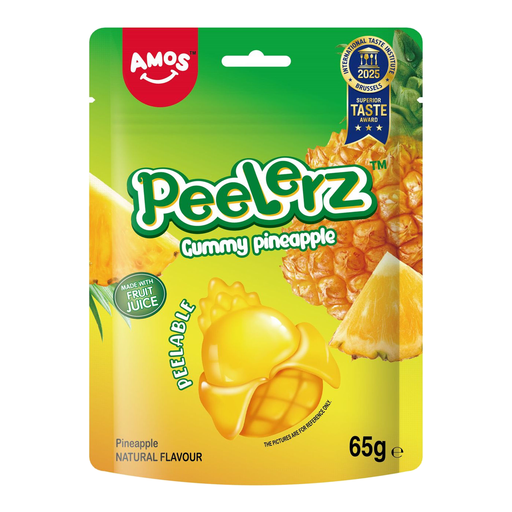
Amos Peelerz Gummy Pineapple 65g
The 65g pineapple gummy pack offers a smaller pack size than the sharing bags here. It contains pork gelatine and is not suitable for vegetarian or vegan diets. Its listing says to give the sweets only to children aged four or over who can chew and swallow, with supervision.
View on Joybuy
 No image available
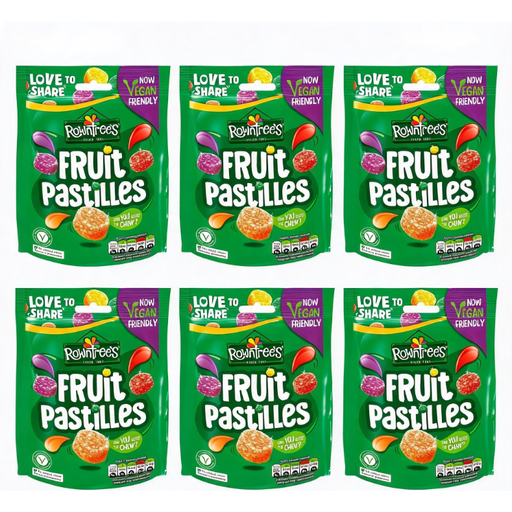
Rowntree’s Fruit Pastilles Vegan 143g × 6
Six separate 143g sharing bags can be kept for different occasions, but each is a sharing bag rather than a small individual portion. Vegan suitability is stated in the listing; confirm it against the current pack. The listing also warns of a choking risk for children under four.
View on Joybuy
 No image available
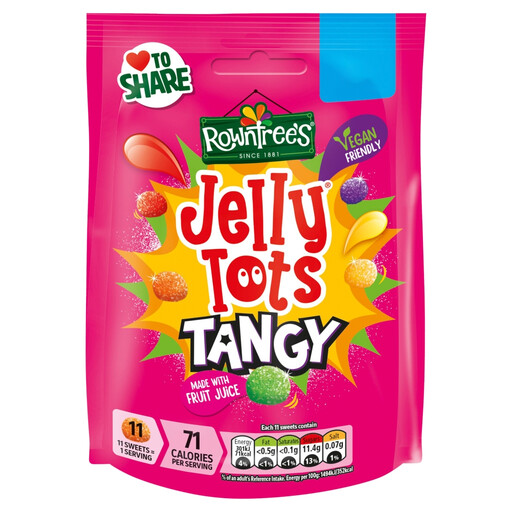
Rowntree’s Jelly Tots Tangy 140g
This 140g bag is a fruit-flavoured chewy-sweet option when you plan to set a portion from a larger pack. The listing describes it as suitable for vegetarians; check the current pack if vegan suitability is required.
View on Joybuy
 No image available
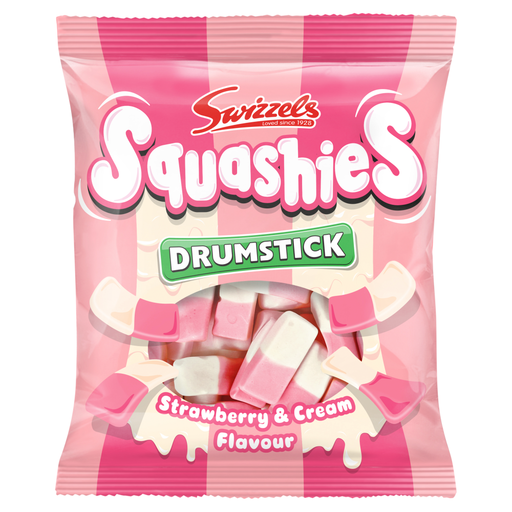
Swizzels Squashies Strawberry & Cream 140g
This 140g sharing bag offers strawberry-and-cream-flavoured chewy sweets; decide on a portion before serving from it. The listed ingredients include gelatine, so it is not suitable for vegetarian or vegan diets.
View on Joybuy
Questions about jelly sweets
Does ‘dark’ mean a jelly sweet has a high cocoa content?
No: dark colour alone does not establish cocoa content. The reviewed jelly sweets are fruit-flavoured confectionery, while cocoa percentage is a specification to check when comparing dark chocolate. If cocoa is what you want, shop that category separately.
How do I compare sugars when packs use different servings?
Compare the labelled sugars per 100g, then calculate the amount for the same intended weight of each sweet. A value for seven sweets cannot be compared directly with one for 25g unless their weights match. These are total-sugar label figures, not measurements of free sugars.
Which of the reviewed sweets have vegan statements?
Nestlé describes the reviewed Rowntree’s Jelly Tots and Fruit Pastilles as vegan-friendly, and Haribo describes its Jelly Beans as suitable for vegans. The reviewed Haribo Goldbears and Fruitilicious products list gelatine. Check the current pack for the exact product and any cross-contact requirements.
Do English school-food rules govern sweets eaten at home during the holidays?
Department for Education guidance on school food concerns food and drink provided in state-funded schools in England, not an ordinary family snack at home. The Requirements for School Food Regulations 2014 define confectionery to include non-chocolate confectionery and chocolate. If arranging food provided through a school, check the current applicable rules and that school’s policy.


