Caregivers choosing everyday toddler snacks
If you are choosing food between meals, look beyond a sweet’s colour or flavour. The NHS advises against giving babies and young children hard, gooey or sticky sweets because they are choking hazards.


Choose a non-confectionery option rather than a dark jelly sweet for routine toddler snack time. The NHS identifies hard, gooey and sticky sweets as choking hazards for young children and advises limiting sugary foods to mealtimes; a dark colour does not establish that a sweet is suitable. For maintained schools and pupil referral units covered by England’s Requirements for School Food Regulations 2014, confectionery must not be provided.
If you are choosing food between meals, look beyond a sweet’s colour or flavour. The NHS advises against giving babies and young children hard, gooey or sticky sweets because they are choking hazards.
At a party or family occasion, fruit flavour and a dark appearance do not tell you how a sweet feels to eat or what it contains. Check the current pack, while keeping the NHS guidance on sweets for young children in mind.
For maintained schools and pupil referral units covered by England’s Requirements for School Food Regulations 2014, confectionery must not be provided. That school-food rule should not be assumed to apply to every home or childcare setting.
Start with the child’s eating situation and the food’s texture, then check the pack rather than relying on words such as “dark” or “fruit-flavoured”.
| Priority | What to check | Your needs |
|---|---|---|
| Texture | Check whether a sweet is hard, gooey or sticky. Do not judge its texture by colour, apparent softness or piece size alone. | I’m choosing food for a young child, so I want to avoid sweets the NHS identifies as choking hazards. |
| Snack occasion | Check whether the product is confectionery and when it would be served. The NHS advises limiting sugary foods to mealtimes rather than offering them as snacks. | For an everyday between-meal snack, I’m looking for a non-confectionery option instead of jelly sweets. |
| Pack information | Read the current ingredients, age guidance and nutrition panel, including sugars per 100g. Dark colour alone does not establish cocoa content or sugar content. | I want to know what this particular pack contains, rather than treating its colour or fruit flavour as a suitability claim. |
| School setting | Confirm whether the provision is covered by England’s Requirements for School Food Regulations 2014. Those rules prohibit providing confectionery in the covered settings; HFSS classification is a separate, product-level question. | If I’m buying for a covered maintained school or pupil referral unit in England, I cannot select confectionery for provision. |
Colour does not establish cocoa content or make a jelly sweet suitable for a toddler. HARIBO’s Jelly Babies and Jelly Beans product information, for example, lists sugar and glucose syrup.
Do not use colour as the deciding filter for toddler snacks. For product-specific information, read the current ingredients and nutrition panel.
The NHS includes hard, gooey and sticky sweets among choking hazards for babies and young children. A familiar brand or small piece does not answer that texture concern.
Choose a non-confectionery snack route rather than selecting a jelly sweet for a toddler on appearance alone.
England’s Requirements for School Food Regulations 2014 prohibit providing confectionery in covered school settings. The Department of Health and Social Care describes nutrient profiling, used for product classification, as a separate assessment based on nutritional composition.
For covered school provision, apply the school-food rules. Do not infer an individual product’s HFSS classification from its colour or category.
Haribo’s UK product information covers jelly sweets including Jelly Babies and Jelly Beans. A brand listing does not make either product a routine toddler snack.
Nestlé Confectionery describes Rowntree’s Jelly Tots as fruity-flavoured sweets, not as toddler nutrition.
Sainsbury’s describes its own-label Jelly Babies as fruit-flavour jelly sweets and advises shoppers to read the label because ingredients can change.
These are non-confectionery options to consider instead of jelly sweets for young-child snack time. Check each current pack’s age guidance and feeding directions for the child.
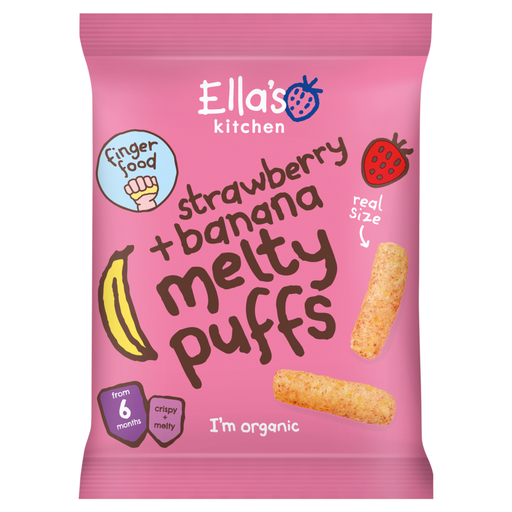 Image unavailable
These puffs are a non-confectionery option for snack time. The listing title says 6+ months while its description says 7+ months; check the current pack’s age guidance, and follow its feeding directions.
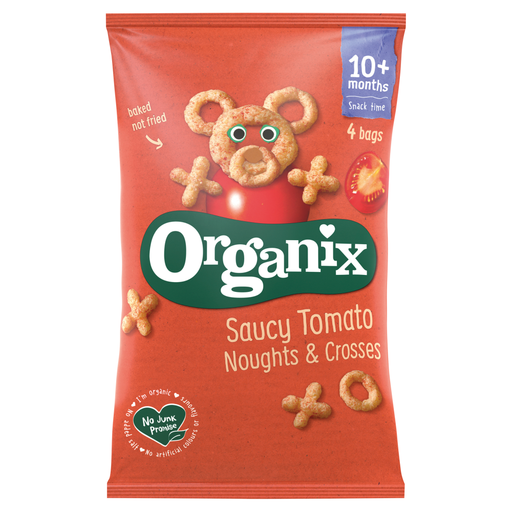 Image unavailable
This corn snack is an alternative to jelly sweets and comes in four 15g packs. Check the current pack’s age and feeding instructions; have the child seated and supervise eating.
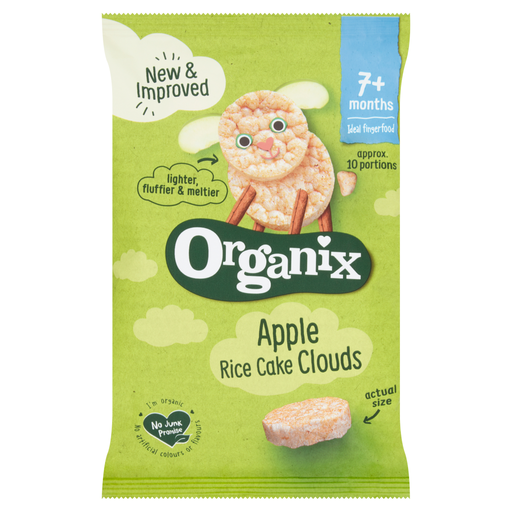 Image unavailable
These rice cakes are a non-confectionery option for young-child snack time. The product name states 7+ months; check the current pack’s ingredients, nutrition and feeding directions, and supervise eating while the child is seated.
Choose a non-confectionery option instead. Dark colour does not establish suitability, and the NHS identifies hard, gooey and sticky sweets as choking hazards for young children while advising that sugary foods be limited to mealtimes.
No: neither description tells you whether a sweet has a concerning texture or how much sugar it contains. Read the current pack for product-specific information, but do not use those labels to set aside NHS guidance on sweets for young children.
Confectionery must not be provided in maintained schools and pupil referral units covered by England’s Requirements for School Food Regulations 2014. This is a rule for the covered school provision, not a statement about every childcare or home setting across the UK.
No. The covered England school-food rules prohibit providing confectionery, while a particular product’s HFSS classification is a separate nutrient-profiling assessment based on its composition, as described by the Department of Health and Social Care.
Yes. The NHS advises limiting foods containing free sugars, including sweets, to mealtimes rather than serving them as snacks, and keeping their frequency and amount as low as possible.