Families choosing a half-term treat
Compare the sugars in the stated serving with the amount you plan to serve, rather than treating a sharing bag as one portion. Check the pack for age warnings before offering sweets to a young child.


A dark colour or blackcurrant flavour does not establish cocoa content: the product pages for HARIBO Jelly Beans, Rowntree's Jelly Tots and M&S Jelly Babies describe fruit-flavoured sweets. For a home half-term treat, check the ingredients, sugars per stated serving, dietary suitability and age warnings; food supplied to pupils by a state-funded school in England is a separate decision governed by school-food standards.
Compare the sugars in the stated serving with the amount you plan to serve, rather than treating a sharing bag as one portion. Check the pack for age warnings before offering sweets to a young child.
Check the exact product: Nestlé Confectionery UK describes Rowntree's Jelly Tots as suitable for vegans and vegetarians, while the M&S Jelly Babies ingredient list includes beef gelatine. Neither example establishes the suitability of every sweet from its brand.
Food supplied to pupils by state-funded schools in England falls under school-food standards, according to the Department for Education. That is a different setting from choosing sweets for a home half-term treat; confirm how the standards and the school's policy apply before procurement.
Decide whether “dark” means cocoa or a dark-fruit flavour, then compare the current packs for portion information and suitability.
| Priority | What to check | Your needs |
|---|---|---|
| Cocoa or fruit flavour | Read the ingredients for an explicit cocoa ingredient if cocoa matters. Check whether “dark” instead refers to colour or a flavour such as blackcurrant; fruit flavour does not state a cocoa percentage. | If I'm after blackcurrant, a fruit-flavoured sweet may fit. If I specifically want cocoa, I need a product whose own label identifies it. |
| Sugars and portion | Compare sugars per 100g on like-for-like labels, then check sugars per stated serving and how many sweets that serving contains. Nestlé Confectionery UK lists 14.3g sugars per seven Rowntree's Fruit Pastilles; that figure applies to that stated serving. | A sharing bag might last several snack occasions. I'd decide how many sweets to serve rather than assume the whole bag is one portion. |
| Ingredients and age warnings | Check the exact pack for gelatine, a vegan statement and any age warning. M&S lists beef gelatine in its Jelly Babies and warns that they are not suitable for children under 36 months because of a potential choking hazard. | For a vegan guest, I need confirmation for the particular sweet. For a young child, the product's age warning matters before I serve it. |
| Where the sweets will be served | For food supplied to pupils by a state-funded school in England, check the applicable school-food standards and school policy. The Department for Education distinguishes that provision from food occasionally brought in by parents or pupils. | I'm choosing differently for a treat at home than I would if I were buying food for a school to provide to pupils. |
A dark-looking or blackcurrant-flavoured jelly sweet could be the wrong purchase if cocoa is the requirement. The product pages for HARIBO Jelly Beans, Rowntree's Jelly Tots and M&S Jelly Babies describe fruit flavours, not a stated high-cocoa variant.
Check the ingredients for cocoa and the label for a cocoa percentage if that percentage is important. If you mean dark-fruit flavour, search by flavour instead.
Dietary suitability and sugar content answer different questions. HARIBO UK lists 66g sugars per 100g for its vegan Jelly Beans; Nestlé Confectionery UK lists 59.0g per 100g for its vegan-suitable Jelly Tots.
Check vegan suitability first if it is required, then compare sugars using the same label measure and choose a serving amount.
The Department for Education says school-food standards are a legal requirement for food provided to pupils in state-funded schools in England. It also distinguishes food occasionally brought in by parents or pupils.
Before buying for a school to supply, establish the setting, check the applicable school-food standards and confirm the school's policy. Do not substitute retail promotion rules for school-food rules.
M&S advises that ingredients and nutrition information can change. Its Jelly Babies page also warns against serving that product to children under 36 months because of a potential choking hazard.
Read the current pack before serving, particularly when gelatine, dietary suitability or a child's age affects the choice.
These product-line examples help distinguish fruit flavour, dietary suitability and pack information; they do not describe every product from each brand.
HARIBO UK describes its Jelly Beans as fruit-flavoured and suitable for vegans.
Nestlé Confectionery UK describes Jelly Tots and Fruit Pastilles as fruit-flavoured products suitable for vegans.
The M&S Jelly Babies product page describes fruit flavours, including blackcurrant, and provides an ingredient and nutrition panel.
These options are fruit-flavoured sweets or a konjac jelly snack for the home-treat question. A dark fruit flavour or jelly texture should not be taken as a stated cocoa content; check each product's current pack if cocoa is what you want.
 No image available
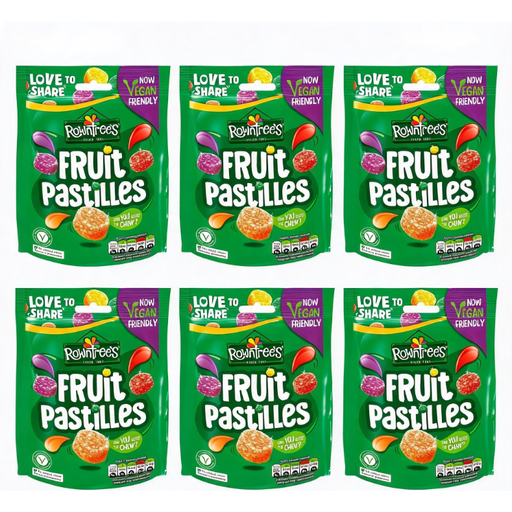
A fruit-flavoured option when vegan suitability matters more than cocoa content. Nestlé Confectionery UK describes Fruit Pastilles as vegan friendly and lists 14.3g sugars per seven sweets; check the current pack for the serving and ingredients you will use. The product description warns that these sweets are not suitable for children under four.
 No image available
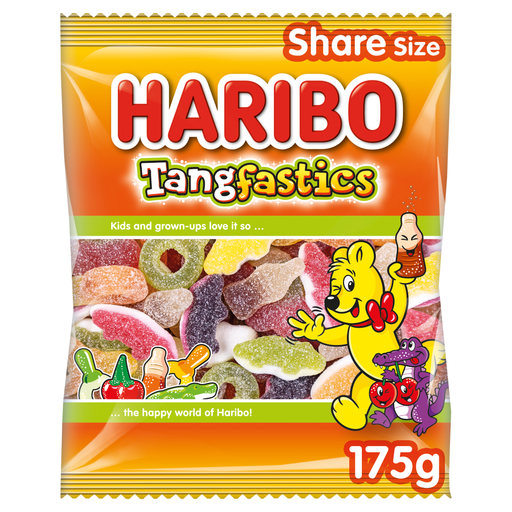
This sharing bag fits a fruit-and-cola flavour choice rather than a cocoa requirement. Its product information lists gelatine, so it does not fit a gelatine-free or vegan requirement; check the current pack for serving information and any age warning before offering it to children.
 No image available
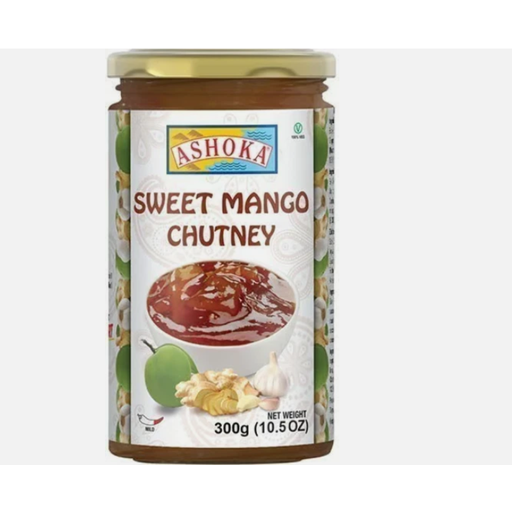
A grape-flavoured konjac jelly snack, rather than a stated high-cocoa sweet. Its product description says it is not suitable for children under four and recommends adult supervision for older children, thorough chewing and not consuming the whole contents in one mouthful. Check the current pack for those instructions and for dietary suitability and serving information.
Colour alone does not establish cocoa content. The product pages for HARIBO Jelly Beans, Rowntree's Jelly Tots and M&S Jelly Babies describe fruit flavours; if cocoa is the reason for buying, look for it explicitly in the ingredients and check for any stated cocoa percentage.
That requires a check against the school-food standards and the particular setting, not a decision based on a home-snack label. The Department for Education says the standards are a legal requirement for food provided to pupils in state-funded schools in England; the Requirements for School Food Regulations 2014 define confectionery to include non-chocolate confectionery. Department guidance distinguishes food occasionally brought in by parents or pupils, so confirm the school's policy before supplying sweets.
Do not infer an individual product's classification from its colour, category or total sugar figure alone. The Department of Health and Social Care says the nutrient profiling model used for England's Food (Promotion and Placement) Regulations calculates a nutritional score. Those retail rules are separate from England's school-food standards.
Start with the number of sweets in the stated serving and its labelled sugars, rather than treating a sharing bag as one serving. Nestlé Confectionery UK, for example, lists 14.3g sugars per seven Rowntree's Fruit Pastilles. Check the current pack and decide how much you intend to serve.
Check the exact product's current ingredients, suitability statement and age warning. Nestlé Confectionery UK describes Jelly Tots as suitable for vegans and vegetarians, whereas M&S Jelly Babies list beef gelatine and carry a warning against serving them to children under 36 months because of a potential choking hazard.