Fruit-jelly snack seekers
If a fruity, chewy sweet is what you want at elevenses, start with the jelly format. A dark-looking fruit flavour does not, by itself, tell you whether the sweet contains cocoa.


Do not take a jelly sweet’s dark colour or flavour as proof that it contains cocoa. For elevenses, choose fruit jelly sweets if their chewy texture matters most, or chocolate with a stated cocoa percentage if cocoa content matters more; the chocolate will not provide a jelly texture. Check the exact pack for ingredients, allergens and nutrition before choosing.
If a fruity, chewy sweet is what you want at elevenses, start with the jelly format. A dark-looking fruit flavour does not, by itself, tell you whether the sweet contains cocoa.
If vegan suitability matters, check the named sweet rather than relying on its brand or jelly texture. Nestlé Confectionery UK identifies its core Rowntree's Fruit Pastilles, Jelly Tots, Fruit Gums and Pick & Mix range as suitable for vegans; HARIBO UK says the same of its Jelly Beans.
If a declared cocoa percentage matters more than a jelly texture, consider dark chocolate as a different type of confectionery. Marks & Spencer labels one dark chocolate product as containing at least 85% cocoa solids; that does not make it a jelly sweet.
Decide whether you want jelly texture or a stated cocoa percentage first. Then compare the exact products’ dietary statements, nutrition and allergen information.
Choose when: A fruity, chewy sweet is the reason for buying.
Trade-off: Fruit flavour or a dark colour does not establish a high cocoa content.
Choose when: You want a product with a declared cocoa percentage more than a jelly texture.
Trade-off: Chocolate is a different confectionery format; its cocoa percentage does not replace a check of the nutrition and allergen label.
| Priority | What to check | Your needs |
|---|---|---|
| Cocoa content | Look for a declared cocoa-solids percentage on the exact product. Check the category and ingredients rather than using colour or a flavour name as a shortcut. | If cocoa is the point of my elevenses choice, I want the percentage stated on the product—not just a dark-looking sweet. Marks & Spencer states 85% minimum cocoa solids for its dark chocolate product, which is not a jelly. |
| Vegan suitability | Check the exact pack’s dietary statement and ingredients, including whether it contains gelatine or other animal-derived ingredients. Do not extend a statement about one product to a whole brand. | I want a jelly-style sweet with an explicit vegan statement. Nestlé Confectionery UK identifies its core Rowntree's Fruit Pastilles range as vegan-suitable, and HARIBO UK identifies Jelly Beans as vegan-suitable. |
| Nutrition and portion | Read sugars, fat and energy per 100g, then check the stated serving size if you plan to compare portions. A cocoa percentage alone does not describe those values. | For a small elevenses portion, I would check how much of the pack I intend to eat rather than judge either sweet by its fruit flavour or cocoa percentage alone. The NHS advises limiting foods containing free sugars to mealtimes. |
| Allergens | Read the current pack’s ingredients, emphasised allergens and any suitability warnings for the exact variant. | Where an allergy affects my choice, I need the product-specific label before buying or eating. GOV.UK says UK food businesses must tell consumers when any of 14 regulated allergens are ingredients. |
A dark colour or blackcurrant flavour does not establish that a jelly sweet contains cocoa. Marks & Spencer states a cocoa-solids percentage for its dark chocolate, not for its fruit-jelly category.
If cocoa content drives the purchase, look for a percentage on the exact product and check that it is the confectionery format you want.
A product-specific vegan statement cannot be applied to every sweet bearing the same brand name. Nestlé Confectionery UK’s statement identifies a defined core Rowntree's range.
Check the current pack’s vegan statement and ingredients for the particular sweet you are buying.
A cocoa percentage or vegan statement does not describe a confectionery product’s full nutrition. The NHS advises reducing foods containing free sugars and limiting them to mealtimes, which matters when elevenses falls between meals.
Check the nutrition and portion information, and consider a different snack for a regular between-meal elevenses.
Allergen information applies to the exact product and recipe. GOV.UK says UK food businesses must disclose any of 14 regulated allergens when they are ingredients.
Read the current physical pack before eating; if you cannot confirm its allergen information, do not rely on an older listing to choose for someone with an allergy.
A fruit-sweet reference for shoppers who care more about jelly-style texture and vegan suitability than a stated cocoa percentage.
A fruit-sweet reference if a jelly-style format is more important than cocoa content.
A useful illustration of the choice between fruit jellies and a separately labelled dark chocolate product.
These options include 85% cocoa dark chocolate for a cocoa-led choice, alongside fruit sweets and grape konjac jelly for a jelly-style snack. The chocolate bars are not jelly sweets; the fruit and jelly options should not be treated as high-cocoa products.
 No image available
Consider this 100g chocolate bar if its stated 85% cocoa content matters more to you than jelly texture. It is chocolate, not a jelly sweet. Check the current pack for milk, soya, nut and sesame information if those allergens matter.
 No image available
This 90g chocolate bar is a cocoa-labelled option, not a substitute for the texture of jelly sweets. Its listing describes nutrition for an 18g, two-row portion. Check the current pack for possible milk, almond and hazelnut presence.
 No image available
Choose this 100g chocolate bar only if a stated cocoa percentage matters more than jelly texture. The listing gives nutrition for a 20g portion. Check the current pack for possible gluten, milk, nut and peanut traces.
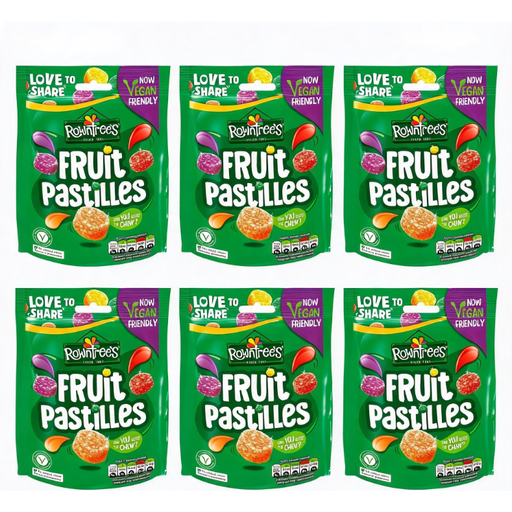 No image available
These fruit sweets suit a jelly-style, vegan-labelled choice rather than a cocoa-led one. The listing identifies six 143g bags; do not use the multipack size as a serving suggestion. Its product information does not establish high cocoa content and warns of a choking risk for children under four, so check the current pack before serving.
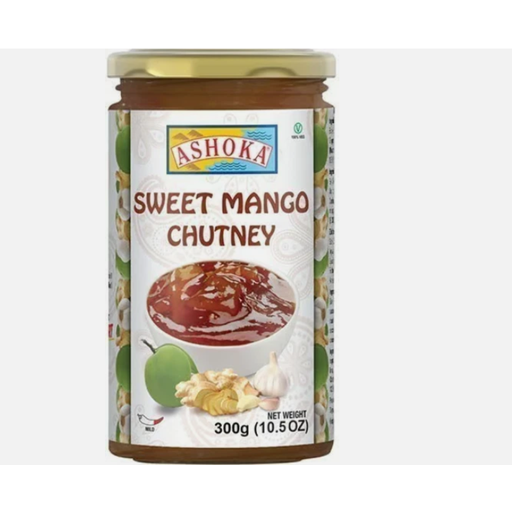 No image available
This grape konjac jelly is a fruit-flavoured option, not a stated high-cocoa sweet. The listing warns of a choking risk, says it is not suitable for children under four and instructs consumers to chew thoroughly. Follow the current pack instructions.
Not necessarily: colour and fruit flavour do not establish cocoa content. Check the exact product’s ingredients and any declared cocoa percentage. Marks & Spencer states at least 85% cocoa solids for a dark chocolate product, which is not a jelly sweet.
Nestlé Confectionery UK identifies its core Rowntree's Fruit Pastilles, Jelly Tots, Fruit Gums and Pick & Mix range as suitable for vegans, while HARIBO UK identifies its Jelly Beans as suitable for vegans. Check the current pack for the exact product rather than applying either statement to a whole brand.
The NHS advises reducing foods containing free sugars, including sweets and chocolate, and limiting them to mealtimes. If elevenses falls between meals, consider a different snack for a regular habit; when choosing confectionery, check its nutrition and the portion you intend to eat.
Read the current pack’s ingredients, allergen information and suitability warnings for the exact product. GOV.UK says UK food businesses must tell consumers when any of 14 regulated allergens are ingredients; a brand-level dietary statement or an older online listing is not a substitute for the pack when an allergy affects the choice.