Cocoa-first mint chocolate shoppers
If the chocolate matters as much as the mint, compare the cocoa percentage of the exact product. Then check its sugars per 100g; the word “dark” does not tell you that figure.


Choose a mint dark-chocolate bar if cocoa flavour matters most and you are happy to break off a piece: Marks & Spencer lists 85% cocoa for its Collection Dark Chocolate with Mint bar. Choose a thin or truffle if a defined piece is more useful during a short break, but check sugars on the same per-100g basis and read the allergen information. If you want an ordinary peppermint mint rather than chocolate, compare those products separately.
Start with what you want alongside your morning tea: a cocoa-led chocolate, one clearly defined piece, or an ordinary peppermint mint.
If the chocolate matters as much as the mint, compare the cocoa percentage of the exact product. Then check its sugars per 100g; the word “dark” does not tell you that figure.
A thin or truffle gives you a separate piece without breaking a bar. Check whether the label also gives nutrition per piece if that information matters to your choice.
Compare total sugars using matching label units, and read the ingredients and precautionary allergen statement for the exact product. A cocoa percentage or vegan description cannot replace an allergy check.
Decide whether you want chocolate or a conventional mint, then compare cocoa, portion format, sugars and allergens within the relevant products.
| Priority | What to check | Your needs |
|---|---|---|
| Chocolate or mint | Check whether the product is mint-flavoured dark chocolate or a conventional peppermint mint. A mint name alone does not establish a cocoa content. | Am I looking for chocolate with my tea, or simply a peppermint mint? Polo and Trebor appear in Tesco’s conventional mints listing, not as high-cocoa chocolate options. |
| Cocoa level | Look for the stated cocoa percentage on the exact bar, thin or chocolate shell. Check whether the figure describes the whole product or only its coating. | I want a cocoa-led chocolate flavour, so a stated percentage helps me compare recipes. Marks & Spencer lists 85% cocoa for Collection Dark Chocolate with Mint; Sainsbury’s lists a 70% cocoa shell for Lindt Lindor Dark Mint truffles. |
| Portion format | Check whether you will break a bar yourself or take one thin or truffle. Look for stated servings and per-piece nutrition rather than assuming every piece is the same size. | For a short break, I may find one separate piece easier to choose than a portion broken from a bar. Waitrose lists 27 servings and 3g sugars per Mint Thin. |
| Sugars | Compare total sugars per 100g on the same basis, then check per-piece figures where given. Traffic-light labelling can help you locate the sugar information. | I want to know what the label says about sugars, not infer it from “dark”. In a Food Standards Agency and Ipsos survey of 611 UK food shoppers interviewed from 16 September to 23 November 2024, 49% said they actively used traffic-light labelling when shopping for food; that figure does not measure dark-chocolate preferences. |
| Allergens | Read the current ingredients, declared allergens, precautionary statements and suitability wording. Check the individual product even when its description says vegan or free from an ingredient. | If I avoid a particular ingredient, I need the information for the pack I am buying. Marks & Spencer says its 85% mint bar is vegan but not suitable for people with a milk, nut or peanut allergy. |
Dark-mint products can differ substantially: Sainsbury’s lists 49g total sugars per 100g for Lindt Excellence Dark Mint. NHS labelling guidance describes 22.5g or more total sugars per 100g as high in sugar.
Read the sugar figure on the exact product and compare like-for-like units. If you want to judge one piece, look for a per-piece figure as well.
Cocoa percentage does not identify milk, soya or precautionary nut statements. The allergen information differs between the listed M&S, Lindt and Waitrose mint chocolates.
Read the ingredients and allergen statements on the current pack, particularly if an allergy or intolerance affects your choice.
A Polo or Trebor peppermint mint answers a different tea-break preference from dark chocolate flavoured with mint.
Decide which type you want before comparing cocoa percentages, portions or mint varieties.
Recipes and label information can change, so a previously noted sugar figure or allergen statement may not describe the pack in front of you.
Use product pages to narrow your choices, then check the current pack or listing before buying, especially for dietary requirements.
These examples show how format, cocoa information and label details vary; a brand name alone is not a substitute for checking the particular product.
Marks & Spencer describes its Collection Dark Chocolate with Mint 100g bar as 85% cocoa with mint.
The listed dark-mint products include an Excellence bar and Lindor filled truffles, which offer different chocolate formats.
Waitrose Mint Thins are a dark-mint chocolate sold as separate pieces in a 150g pack.
Sainsbury’s lists Free From Dark Chocolate Mints in a 99g pack with a peppermint-flavour fondant centre.
Tesco lists Polo and Trebor products among conventional mints, a different choice from mint-flavoured dark chocolate.
These options are mint-flavoured chocolate bars, peppermint creams and individually wrapped chocolate mints for a tea break. Compare the format and the current pack information before choosing; a dark-chocolate name alone does not establish cocoa intensity or sugar content.
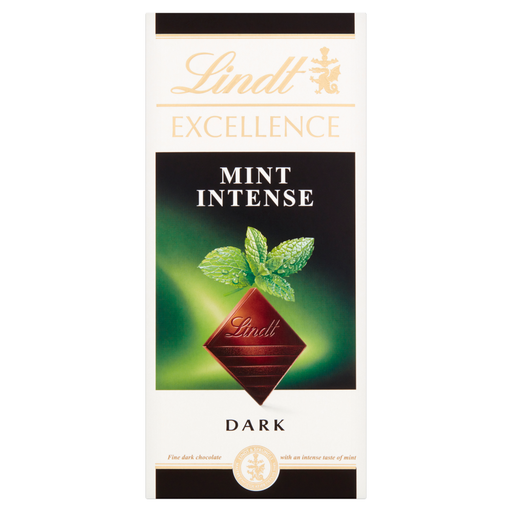 No image available
A mint chocolate bar is an option if you would rather break off a piece for your tea break. Check the current pack for cocoa percentage, sugars and allergens before comparing it with other bars.
 No image available
Peppermint creams offer a filled chocolate alternative to a bar. If a defined portion matters, check the pack for serving information and sugars per piece, as well as its allergen statement.
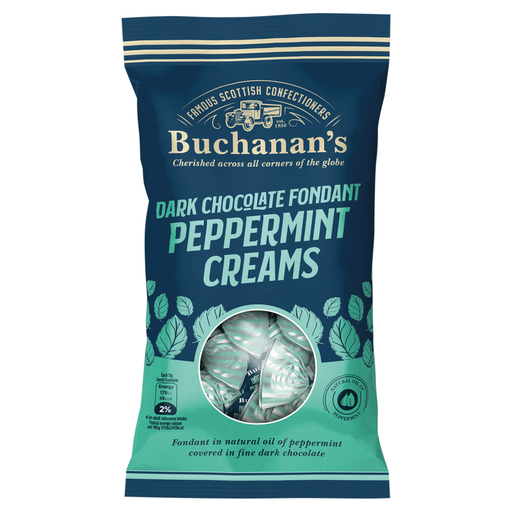 No image available
These dark chocolate peppermint creams are another filled format for a tea break. Compare the current label’s cocoa, sugars and allergen details with any bar or thin you are considering.
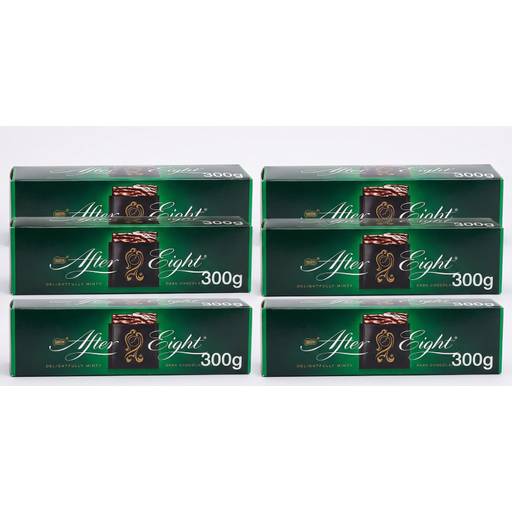 No image available
Individually wrapped chocolate mints provide separate pieces for a short break. Check the pack if you need a stated cocoa percentage, sugars per piece or particular allergen information.
No. Sainsbury’s lists 49g total sugars per 100g for Lindt Excellence Dark Mint, while NHS labelling guidance describes 22.5g or more per 100g as high in sugar. Compare the figures on the exact products using the same units, and check per-piece values if supplied.
A thin or truffle gives you a defined piece; a bar lets you decide how much to break off. Waitrose lists 3g sugars per Mint Thin, whereas a bar’s per-100g figure does not tell you the sugars in the piece you take.
Check the exact product and its current allergen statement. Marks & Spencer describes its 85% Collection mint bar as vegan but says it is not suitable for people with a milk allergy; the listed Lindt Excellence and Lindor dark-mint products contain milk ingredients. Sainsbury’s describes its Taste the Difference Free From Dark Chocolate Mints as milk free, but check the full pack information for your requirements.
They are alternatives if you want a conventional peppermint mint rather than chocolate. Tesco lists Polo and Trebor products in its mints category; they do not provide the high-cocoa chocolate-and-mint combination that defines the bar, thin and truffle choices here.