
24/7 Customer Support

Free returns

Same-day & Next-day Delivery

Quality Guaranteed

Unlock Your Welcome Offers: FREE Delivery | Up to 80% OFF | Free 30-day JoyPlus trial
Download the APP
For anyone who cherishes the deep, comforting flavours of a classic British bake, the right sugar isn't just an ingredient; it's the foundation. When a recipe calls for dark soft brown sugar, particularly for a rich fruit cake, a moist gingerbread loaf or a decadent sticky toffee pudding, settling for a substitute can lead to disappointment. Yet, navigating the baking aisle can present its own challenges. As your Joybuy Product Recommendation Officer, my role is to help you sidestep common issues and select the right ingredients with confidence.
Many home bakers have faced the frustration of reaching for their brown sugar only to find a solid, unusable brick in the cupboard. Another common pitfall is inadvertently picking up a sugar that looks the part but lacks the authentic molasses flavour, resulting in a bake that’s disappointingly pale and bland. These issues often stem from not understanding what truly defines a high-quality dark brown sugar.
To ensure your baking ingredients deliver the results your recipes deserve, focus on these key characteristics. They are the difference between a good bake and a great one.
The defining feature of dark brown sugar for baking is its high molasses content. Unlike some sugars that are simply white sugar coated with a molasses-flavoured syrup, authentic dark brown cane sugar retains its molasses naturally from the sugarcane plant. This is what gives Tate & Lyle dark soft brown sugar its distinctive deep mahogany colour, rich caramel aroma and intensely fudgy flavour. The molasses is also crucial for creating a moist brown sugar texture, which translates directly into chewier, softer baked goods. For recipes where a deep, complex sweetness is the star—like gingerbread or rich Christmas cakes—a high molasses content is non-negotiable.
The term "soft brown sugar" refers to its fine, damp and slightly sticky texture. This is not a flaw; it is a sign of quality. The fine crystals and moisture content allow the sugar to dissolve smoothly and evenly into butter, eggs and liquids. This ensures a uniform crumb and prevents the gritty texture that can occur with coarser sugars. When creaming butter and sugar, a soft brown sugar incorporates more air, contributing to the final volume and tenderness of your cakes and biscuits.
For many, the origin and ethical credentials of their ingredients are as important as the quality. Tate & Lyle has a long history of refining cane sugar in the UK. When you see the Fairtrade mark on a pack of Tate and Lyle baking sugar, it signifies that the sugar has been sourced in compliance with Fairtrade Standards. This means the farmers who grew the sugarcane receive a fair price for their crop, supporting their communities and promoting sustainable farming practices. Choosing a Fairtrade brown sugar allows you to bake with the assurance that your purchase has a positive impact.
Based on these essential criteria, here are our recommendations tailored to different types of home bakers.
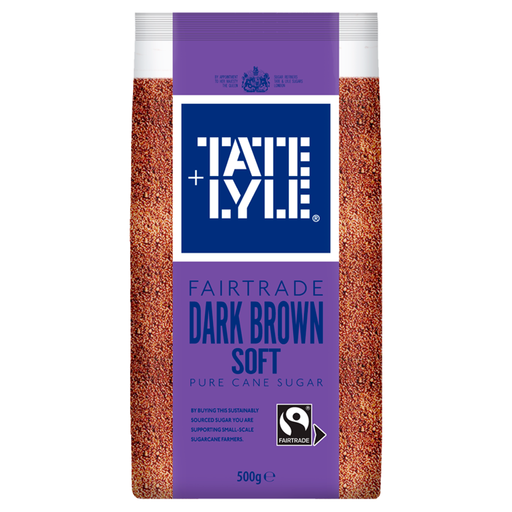
Why This Fits Their Persona: This is the quintessential choice for bakers dedicated to classic British recipes. If you're making a family-favourite gingerbread or a rich sticky toffee pudding, this sugar provides the authentic, deep molasses flavour and moist texture that these recipes were built on. The soft brown sugar 500g pack is ideal for regular home use.
This is a true cane sugar with naturally retained molasses, not just coloured white sugar. It delivers the genuine flavour and moisture required for traditional bakes, preventing a pale or dry outcome.
Its intense, full-bodied flavour is the definitive choice for sticky toffee pudding ingredients. The Fairtrade certification also aligns with the values of discerning consumers.
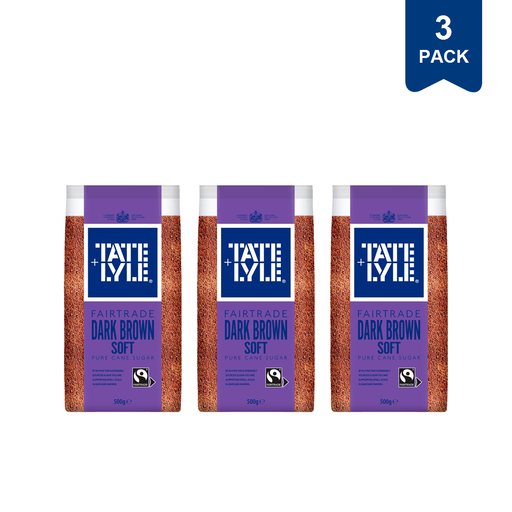
Why This Fits Their Persona: For those who bake regularly or are stocking up for seasonal occasions like Christmas, this multi-pack is both convenient and economical. It ensures you always have this essential ingredient on hand, preventing last-minute trips to the shop.
Buying in a multi-pack allows you to keep individual packets sealed until needed. This is the most effective way to prevent the sugar from drying out and hardening, ensuring every pack is as fresh as the last.
This option offers better value for money for frequent users. It's a practical way to stock a pantry with a high-quality, essential Tate and Lyle baking sugar.
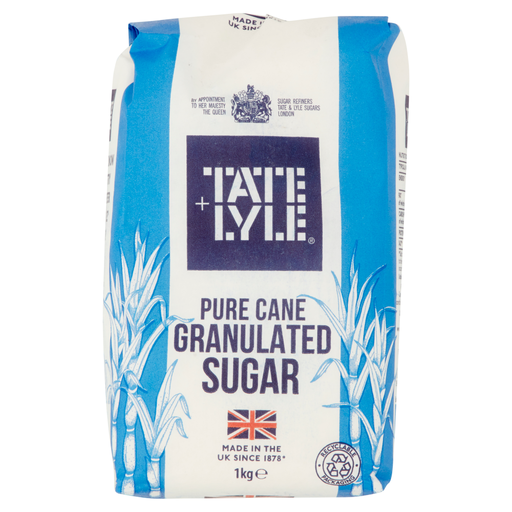
Why This Fits Their Persona: While dark brown sugar is a specialist ingredient, every kitchen needs a versatile, all-purpose sugar. This granulated sugar is perfect for sweetening tea and coffee, sprinkling over cereal and for general baking where a clean, neutral sweetness is required.
This helps avoid the pitfall of using the wrong sugar for the job. Using dark brown sugar in a delicate Victoria sponge would overpower it; this granulated sugar provides the correct structural performance and clean taste.
A true pantry staple. Its uniform crystals dissolve evenly, making it a reliable choice for everything from jam-making to simple cake batters.
We have compiled a complete, real-time list of products that fully satisfy these strict selection criteria and UK safety regulations.
The key is to limit its exposure to air. Once opened, transfer the sugar from its paper packet into a dedicated airtight container. If it has already started to harden, placing a piece of terracotta brown sugar saver (soaked in water and then dried), a slice of bread or a piece of apple in the container for a day can help reintroduce moisture and soften it.
You can, but be aware of the difference it will make. Dark brown sugar has a higher molasses content, which means it has a stronger, more caramel-like flavour and will impart a darker colour to your bake. It will also add slightly more moisture. While it works well as a substitute in robustly flavoured items like gingerbread, it might overpower more delicate bakes like shortbread or certain cookies.
Absolutely. It is an ideal choice for making sugar for gingerbread. The high molasses content provides the classic deep, spicy-sweet flavour and dark colour that is characteristic of traditional gingerbread. Furthermore, its moist texture helps create the soft, chewy crumb that makes gingerbread so enjoyable.