
24/7 Customer Support

Free returns

Same-day & Next-day Delivery

Quality Guaranteed

Unlock Your Welcome Offers: FREE Delivery | Up to 80% OFF | Free 30-day JoyPlus trial
Download the APP
Dark spots, post-acne marks and uneven tone can be difficult to manage, particularly when skincare adverts promise visible changes in a matter of days. A sensible dark spot corrector should fit your skin type, routine and tolerance rather than simply feature the longest ingredient list.
The right choice may be a dark spot serum, cream, toner or daily SPF 50 sunscreen for dark spots. Before buying, it helps to recognise common marketing traps and understand which formula details genuinely matter.
Some products contain light-reflecting particles, pigments or a dewy finish that makes skin look brighter immediately. This can be useful cosmetically, but it does not necessarily mean the appearance of pigmentation has changed. Separate instant radiance claims from longer-term skincare aims.
Layering a vitamin C serum, niacinamide serum, exfoliating toner and retinoid together may increase the risk of dryness or irritation. Irritated skin can look more uneven and may make post-acne marks appear more noticeable. Start with one main pigmentation-focused product and introduce additional actives gradually.
Sun exposure can make existing discolouration look darker. Even a well-chosen hyperpigmentation treatment may be undermined if your morning routine does not include broad-spectrum protection. Look for a clearly stated SPF rating and apply enough product to cover exposed facial and neck skin.
Ingredient choice should reflect your concern and skin tolerance:
Check the full ingredient list rather than relying on front-of-pack wording. Fragrance, essential oils, alcohol or exfoliating acids may be unsuitable if your skin is easily reactive.
A lightweight gel serum may work well for oily or combination skin, while a cream can be more comfortable for dry or mature complexions. Consider whether the product will sit under moisturiser and sunscreen without pilling.
For a simple routine, apply a serum after cleansing and before moisturiser. A cream can usually be used as the final moisturising step. Toners are optional, so avoid buying one solely because an advert suggests it is essential.
Brightening ingredients can be sensitive to heat, light or air. Follow the storage instructions and check the packaging for the current ingredients, batch details and period-after-opening symbol.
Cosmetic products sold in the UK should provide appropriate labelling, including ingredients and responsible-person information. Always follow the product directions, avoid the eye area and patch test new products. Stop use if persistent redness, swelling, itching or burning develops. A dark mark that changes quickly, bleeds or does not resemble ordinary pigmentation should be assessed by a GP or other qualified healthcare professional rather than treated solely with cosmetics.
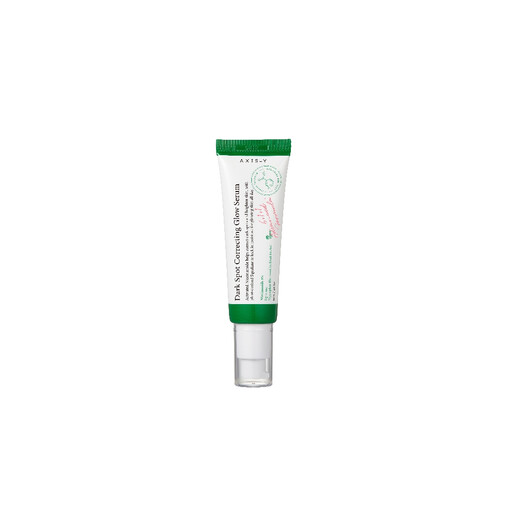
Why This Fits Their Persona: A straightforward starting point for shoppers wanting one lightweight serum for daily use rather than a multi-step routine.
The formula lists 5% niacinamide and provides clear usage instructions, helping avoid vague “brightening complex” claims.
50ml size; lightweight gel texture; includes glycerine, sodium hyaluronate and squalane.
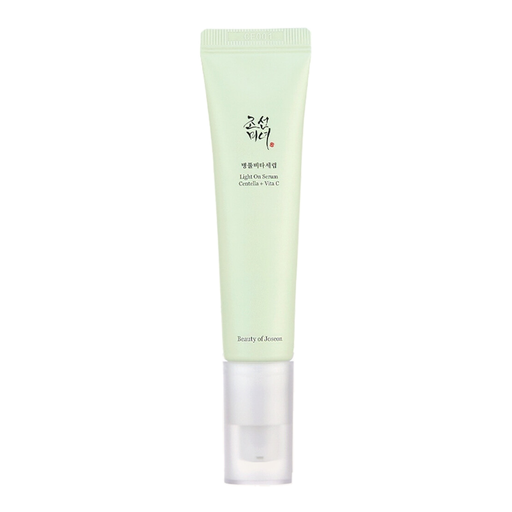
Why This Fits Their Persona: A suitable option for shoppers seeking a refined vitamin C serum with a light, non-heavy finish and added soothing ingredients.
It identifies 10% 3-O-Ethyl Ascorbic Acid and 68% Centella Asiatica extract, rather than relying only on an unspecified vitamin C claim.
30ml bottle; includes panthenol, beta-glucan and hydrolysed hyaluronic acid; fresh-feeling finish.
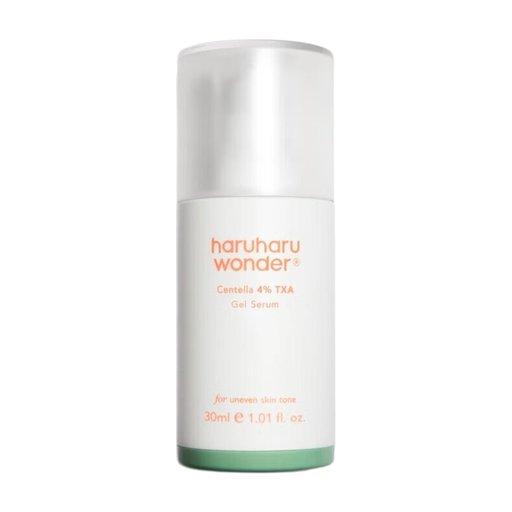
Why This Fits Their Persona: Designed for shoppers specifically looking at post-acne marks or uneven tone and wanting clearly listed targeted actives.
The label specifies 4% tranexamic acid and 4% niacinamide, while the fragrance-free formula avoids one common source of unnecessary complexity.
Airless pump packaging; lightweight gel texture; includes a Centella complex and vitamin C derivatives.
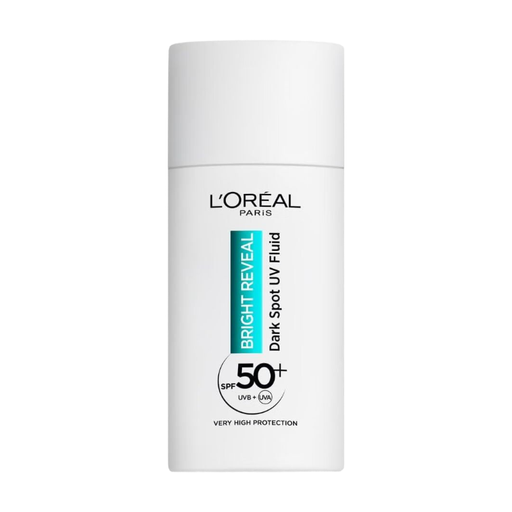
Why This Fits Their Persona: A practical morning choice for anyone who wants a high-protection facial fluid that can sit beneath make-up.
It states SPF 50 UVA/UVB protection and gives reapplication guidance, rather than presenting brightening ingredients as a substitute for sunscreen.
50ml size; vitamin C and vitamin E; fragrance-free formula with a lightweight fluid texture.
We have compiled a complete, real-time list of products that fully satisfy these strict selection criteria and UK safety regulations.
Most facial serums and creams are used in small amounts, but lifespan depends on frequency, packaging and the period-after-opening symbol. Keep the container closed, store it away from direct sunlight and replace it if the smell, colour or texture changes.
Many are designed for daily use, but tolerance depends on the ingredients. Follow the label, begin less frequently if you have sensitive skin and avoid applying several potentially irritating actives at the same time.
Yes, sunscreen remains an important part of a routine focused on uneven tone. Use a broad-spectrum SPF 50 product in the morning and reapply after prolonged outdoor exposure, sweating or towel drying.