
24/7 全天候客户支持

免费退货

当日/次日达

品质保障

开启新人专享福利: 全场免邮 | 低至 2 折 | 免费试用 30 天 JoyPlus 会员
下载 Joybuy
Dark marks can be caused by sun exposure, post-blemish discolouration, hormonal changes or general unevenness. However, choosing a dark spot corrector skincare product is not simply a matter of selecting the highest percentage on the label. The right option depends on your skin type, tolerance, routine and how consistently you can use it.
A serum may suit oily skin but feel insufficient on dry cheeks. A rich cream may provide useful moisture but feel uncomfortable under make-up. Some formulas also combine several active ingredients, increasing the chance of irritation when layered with exfoliating products.
A higher concentration does not automatically mean a better outcome for every user. Niacinamide, vitamin C derivatives, alpha arbutin and tranexamic acid are used in different ways and suit different routines. Check the complete ingredient list, not only the front-of-pack headline.
A product described as a brightening serum may contain fragrance, citrus oils, alcohol or salicylic acid. These ingredients are not automatically unsuitable, but they may be less comfortable for reactive or sensitive skin. If you are already using retinoids, exfoliating face peels or acne treatments, adding several active products at once can make your routine difficult to manage.
A dark spot routine can be undermined by regular UV exposure. Apply a suitable broad-spectrum sunscreen during the day and reapply as directed on extended outdoor days. In the UK, also look for clear UVA information, such as a UVA circle or a stated UVA rating. Brightening products should complement sun protection, not replace it.
Oily or combination skin may prefer a water-based gel, mist or fast-absorbing serum. Dry or mature skin may benefit from glycerin, squalane, panthenol, ceramides, hyaluronic acid or a richer brightening moisturiser. For sensitive skin brightening products, keep the rest of the routine simple and avoid introducing multiple new actives together.
Use only as directed and check the current packaging for the ingredient list, shelf life and storage guidance. Airless pumps, tubes and opaque containers can be practical for formulas containing light- or oxygen-sensitive ingredients, but they do not remove the need for correct storage. Patch test new products, avoid broken or irritated skin, and stop use if persistent redness, swelling, itching or discomfort develops.
The following selections are matched to different shopping needs rather than ranked against one another.
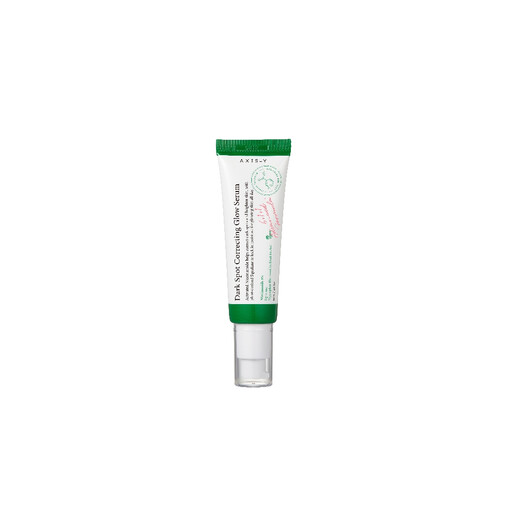
Why This Fits Their Persona: A straightforward daily serum for shoppers starting a simple brightening routine, including those managing post-acne marks or combination skin.
Its stated formula uses 5% niacinamide and a lightweight gel texture, making the active and finish easier to assess than a vague “glow” claim.
Includes squalane and sodium hyaluronate; can be used across the face or on selected areas.
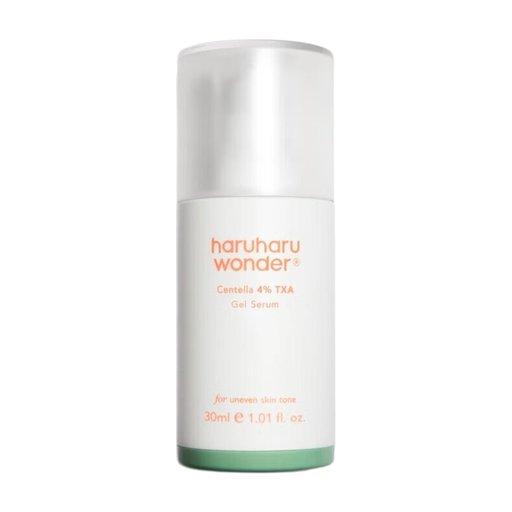
Why This Fits Their Persona: Suits shoppers looking for a clearly specified Korean brightening skincare formula with a light texture and a fragrance-free positioning.
The label identifies 4% tranexamic acid and 4% niacinamide, rather than relying solely on an undefined brightening blend.
Centella ingredients support a soothing-focused routine; the gel texture is designed to absorb without a sticky finish.
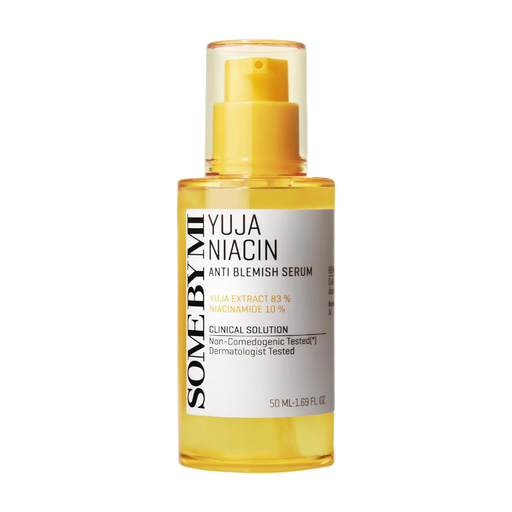
Why This Fits Their Persona: A gel serum option for users who dislike heavy layers and want a product positioned around dullness and post-blemish marks.
The product details disclose 10% niacinamide and a lightweight gel format, helping buyers compare concentration and feel.
Contains yuja extract, panthenol and vitamin derivatives; the 50ml size may suit regular all-over use.
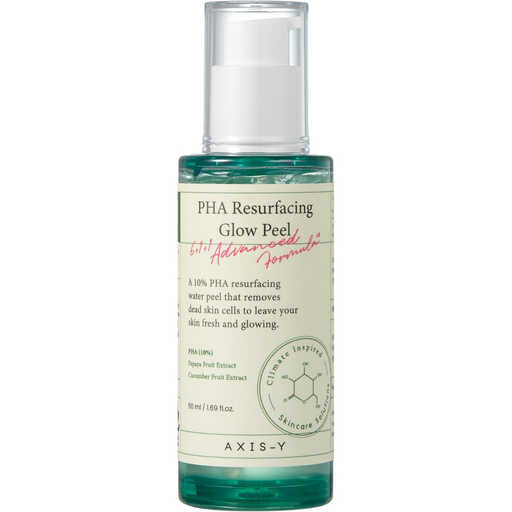
Why This Fits Their Persona: Designed for shoppers whose main concern is rough, congested texture and who are comfortable adding a scheduled exfoliating step.
It is clearly identified as a 10% gluconolactone PHA peel with a 10–15-minute application time, rather than an everyday serum.
Includes cucumber, papaya and centella extracts; rinse-off use makes frequency easier to control.
We have compiled a complete, real-time list of products that fully satisfy these strict selection criteria and UK safety regulations.
Start with a gentle cleanser, then apply one targeted brightening serum. Follow with a moisturiser selected for your skin type. In the morning, finish with sunscreen. Introduce an exfoliating face peel on a separate day rather than combining it immediately with several brightening actives.
Allow several weeks of consistent use before deciding whether a product suits you. Cosmetic skincare can improve the appearance of dullness and uneven tone, but persistent, rapidly changing or concerning pigmentation should be discussed with a qualified healthcare professional.
Some formulas are designed with soothing ingredients such as centella, panthenol or ceramides, but suitability varies. Patch test first, avoid applying to irritated skin and choose a fragrance-free formula if that is your preference.
A 30ml serum commonly lasts around one to three months, depending on whether it is used on individual marks or across the entire face and how much is applied. Follow the product directions and the open-jar period on the packaging.
They may be compatible for some routines, but layering several active products can increase discomfort. Introduce one product at a time, use the peel less frequently at first and separate potentially irritating steps if your skin feels dry or sensitive.