
24/7 Customer Support

Free returns

Same-day & Next-day Delivery

Quality Guaranteed

Unlock Your Welcome Offers: FREE Delivery | Up to 80% OFF | Free 30-day JoyPlus trial
Download the APP
Dark marks can be frustrating to shop for, particularly when product packaging promises a brighter, clearer complexion in a short time. For UK shoppers, the practical challenge is finding a formula that suits the skin’s needs without creating dryness, irritation or an unnecessarily complicated routine.
The right dark spot corrector skincare product should match your skin type, the appearance you want to improve and the other active ingredients already in your routine. It should also be used alongside daily sun protection, as UV exposure can make uneven tone and post-acne marks more noticeable.
A high concentration of niacinamide, vitamin C or exfoliating acids may sound impressive, but it does not automatically make a formula suitable for every face. Sensitive or dry skin may prefer a simpler, lower-irritation blend, while oily skin may appreciate a lightweight serum with carefully selected exfoliating ingredients.
Look beyond the headline percentage. Check the full ingredient list, texture, fragrance and usage directions before buying.
A vitamin C serum, niacinamide serum, alpha arbutin serum and exfoliating treatment can all have a place in a routine. Using several new products at once, however, makes it difficult to identify what is causing stinging or dryness.
Introduce one targeted product at a time. Avoid applying multiple acid-based products in the same routine unless the packaging specifically indicates that they are compatible.
Even a well-chosen hyperpigmentation treatment may be undermined by regular unprotected sun exposure. Apply a broad-spectrum SPF 50 facial sunscreen every morning to exposed skin, and reapply after sweating, towel drying or extended outdoor activity. This is especially important when using exfoliating acids or brightening products.
Different ingredients suit different shopping priorities:
These are cosmetic skincare ingredients, not medical treatments. Stop using a product if persistent redness, itching, swelling or discomfort develops.
Oily and acne-prone shoppers often prefer fast-absorbing gels or watery serums that sit comfortably beneath moisturiser and sunscreen. Dry skin may benefit from a cream containing glycerin, squalane, shea butter or hyaluronic acid.
Fragrance and essential oils are also worth checking if your skin is sensitive. Several Korean skincare for dark spots options in the range are fragrance-free, while others contain fragrance or aromatic plant oils.
Vitamin C and other active ingredients can be affected by light, heat and air. Follow the storage directions on the packaging and check the batch, shelf-life and open-jar information before use.
A typical order is:
Patch testing is sensible when introducing a new formula, particularly if you have reactive or acne-prone skin.
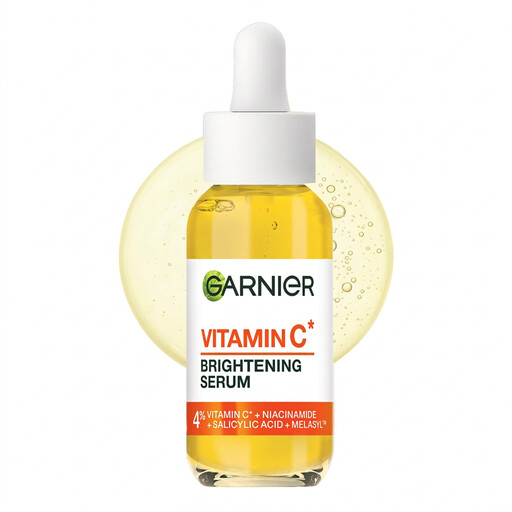
Why This Fits Their Persona: A compact daily serum for shoppers starting a straightforward brightening skincare routine without adding a heavy cream or several separate treatments.
Its ingredient list identifies a vitamin C derivative, niacinamide and salicylic acid, helping shoppers compare the actual formula rather than relying only on “brightening” packaging.
Lightweight, non-sticky texture; combines several commonly selected brightening ingredients in one 30ml serum.
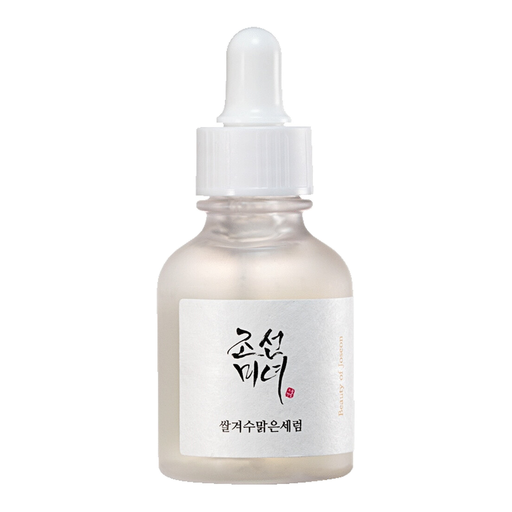
Why This Fits Their Persona: A watery, fragrance-free option for shoppers who prioritise a short, clearly listed ingredient focus and a comfortable finish under daily skincare.
The listed 2% alpha arbutin gives a specific comparison point, while the formula avoids artificial fragrance and essential oils.
Contains 68% rice bran water and 2% alpha arbutin; lightweight texture with no greasy or sticky residue described in the product details.
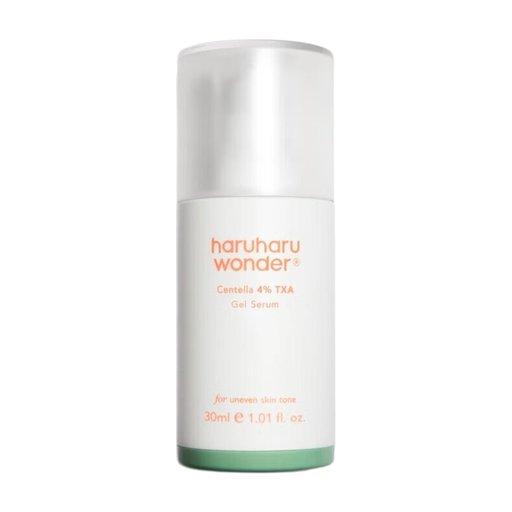
Why This Fits Their Persona: Suitable for shoppers specifically comparing tranexamic acid formulas for visible hyperpigmentation and uneven skin tone, rather than seeking general hydration alone.
It provides clearly stated 4% tranexamic acid and 4% niacinamide concentrations, making comparison easier than choosing by vague “glow” claims.
Light gel texture; includes a centella complex and is listed as free from artificial fragrance and drying alcohol.
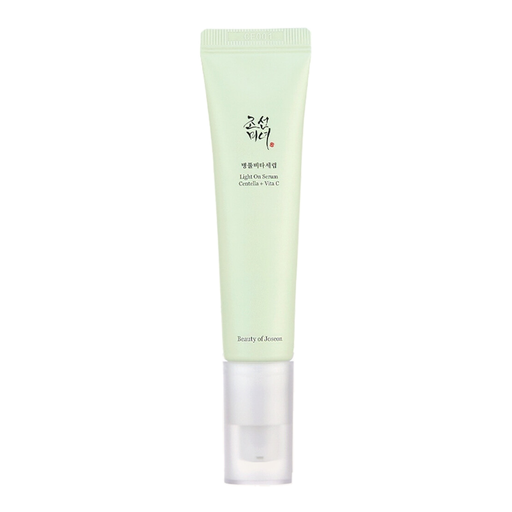
Why This Fits Their Persona: A lightweight option for shoppers who want a vitamin C serum with centella asiatica and a fresh finish rather than a rich or oily texture.
The formula uses 3-O-ethyl ascorbic acid alongside hydrating and soothing ingredients, rather than relying on a single headline active.
Lists 68% centella asiatica extract and 10% 3-O-ethyl ascorbic acid; includes panthenol, beta-glucan and hydrolysed hyaluronic acid.
We have compiled a complete, real-time list of products that fully satisfy these strict selection criteria and UK safety regulations.
Start with one brightening product and use it consistently according to its directions. A niacinamide serum or alpha arbutin serum may fit a simple daily routine, while an acid-based dark spot serum may need slower introduction.
For oily or congested skin, the SOME BY MI AHA-BHA-PHA 30 Days Miracle Serum combines AHA, BHA and PHA with niacinamide, but its exfoliating format requires careful use and daytime sunscreen. For dry skin, a richer moisturiser such as the Korres Apothecary Wild Rose Brighter Days Intense-Cream may be more comfortable than adding another watery serum.
Do not apply products to broken or irritated skin. Keep eyes and lips clear of active treatments, and follow each product’s storage and disposal guidance.
The timeframe varies according to the type and age of the mark, product consistency and sun exposure. Cosmetic brightening products generally require regular use over time rather than a single application. Take progress photographs under similar lighting and avoid changing several products at once.
Yes. Apply the serum after cleansing and before moisturiser, then use SPF 50 as the final morning skincare step. Allow layers to settle and apply enough sunscreen to cover the face and neck. Reapply when required during prolonged outdoor exposure.
Sensitive skin may tolerate a gentle vitamin C derivative or a non-exfoliating niacinamide formula more comfortably than a strong acid treatment. Patch test first, introduce one active at a time and stop if irritation occurs. For persistent or concerning pigmentation changes, seek advice from a qualified healthcare professional.