
24/7 Customer Support

Free returns

Same-day & Next-day Delivery

Quality Guaranteed

Unlock Your Welcome Offers: FREE Delivery | Up to 80% OFF | Free 30-day JoyPlus trial
Download the APP
Dark marks can be caused by post-acne discolouration, sun exposure or general unevenness, but choosing a suitable product is not always straightforward. The shelves are full of brightening serum claims, concentrated actives and “glow” formulas that may not match your skin type or routine.
Before buying a dark spot corrector skincare product, look beyond the front label. A sensible choice should have clearly listed ingredients, a texture you will use consistently and suitable daily sun protection.
A serum containing 10% niacinamide is not automatically a better choice than one containing 5%. Higher concentrations may feel less comfortable for some people, particularly if the rest of the formula also contains exfoliating acids, fragrance or essential oils. Ingredient compatibility and regular use matter more than a single percentage on the packaging.
Some products contain mineral pigments or reflective ingredients that create an immediate glow. This can improve the appearance of dullness temporarily, but it is different from gradually supporting a more even-looking complexion. Check whether the product is a treatment serum, moisturiser, exfoliant or SPF fluid so you know what effect to expect.
A brightening routine can be undermined by regular UV exposure. An SPF 50 facial sunscreen should be the final step of your morning routine, applied generously to exposed skin and reapplied when appropriate. A serum alone cannot replace sunscreen.
The most useful starting point is the ingredient list rather than the marketing name.
Do not introduce multiple strong actives at once. Start with one treatment, follow the directions and monitor how your skin responds.
A lightweight gel or watery dark spot serum may be easier to layer on oily, combination or acne-prone skin. Creamier formulas can be more comfortable for dry skin, especially during colder UK weather or in centrally heated rooms.
Also check for potential personal triggers. Fragrance, citrus oils, alcohol denat., essential oils and exfoliating acids may not suit everyone. “Vegan” and “fragrance-free” are useful selection details, but they do not guarantee that a product will suit every individual.
Vitamin C derivatives and botanical ingredients should be stored as directed and protected from excessive heat or sunlight. Follow the printed packaging for shelf life and the latest ingredient list, as formulas can change.
For morning use, allow each layer to settle before applying sunscreen. Look for a facial SPF with clearly stated protection, such as SPF 50 and UVA coverage, and follow the application guidance on the bottle.
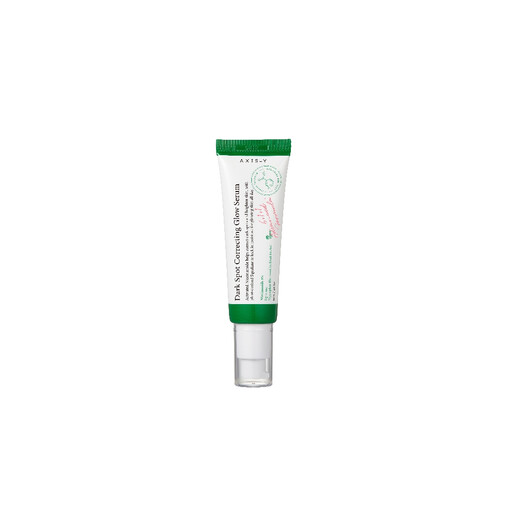
Why This Fits Their Persona: A practical entry point for shoppers wanting one lightweight Korean skincare serum that can be used across the face or on selected areas.
Its stated 5% niacinamide concentration avoids relying on an unnecessarily high single-active claim, while the gel texture is designed for quick absorption.
Contains squalane, glycerin and sodium hyaluronate; vegan-friendly and described as suitable for sensitive and acne-prone skin.
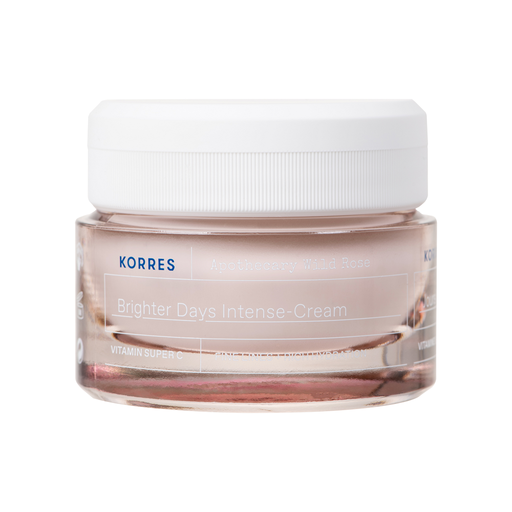
Why This Fits Their Persona: Suits shoppers prioritising a richer moisturising step alongside a brightening-focused morning routine, particularly those with very dry skin.
The product is positioned as an intense cream rather than a lightweight serum, making its richer texture clear before purchase.
Includes vitamin C derivatives, shea butter, hyaluronic acid and aloe vera; vegan formula with 94.5% natural-origin content according to the product description.
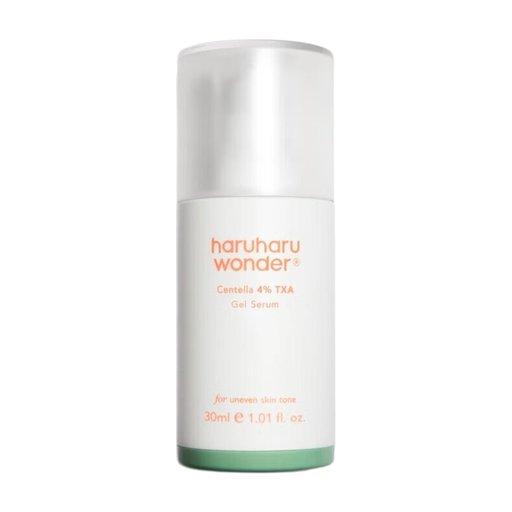
Why This Fits Their Persona: A focused option for shoppers specifically comparing tranexamic acid products for post-blemish marks and uneven-looking tone.
The formula identifies its principal actives clearly: 4% tranexamic acid and 4% niacinamide, rather than relying only on vague “glow” language.
Light gel texture; includes centella components and is listed as free from artificial fragrance, drying alcohol and parabens.
A simple routine is easier to maintain:
For a more targeted comparison, browse the wider pigmentation treatment range, where formats include serums, creams, toners, peels and daily UV fluids.
We have compiled a complete, real-time list of products that fully satisfy these strict selection criteria and UK safety regulations.
This depends on the bottle size, application area and frequency. A 30ml serum used over the entire face will generally run out sooner than a 50ml formula used only on selected areas. Use the recommended amount rather than applying extra in the hope of quicker results.
Many routines can include both, but individual formulas vary. If your skin is sensitive, introduce one product at a time and use them on separate routines initially. Stop if persistent redness, itching, swelling or discomfort develops.
Yes. UV exposure can occur even when the weather is cool or overcast. Use a broad-spectrum facial sunscreen as directed, particularly when your routine includes brightening or exfoliating products. Always patch test new skincare and follow the latest instructions printed on the packaging.