
24/7 Customer Support

Free returns

Same-day & Next-day Delivery

Quality Guaranteed

Unlock Your Welcome Offers: FREE Delivery | Up to 80% OFF | Free 30-day JoyPlus trial
Download the APP
A dark spot moisturiser can simplify a daily skincare routine, but choosing one based only on words such as “glow”, “brightening” or “anti-ageing” can lead to disappointment. Dark marks may be linked to sun exposure, post-blemish marks, irritation or natural changes in pigmentation, so one formula will not suit every concern.
Before buying a brightening face moisturiser, watch for three common traps:
Ingredient lists are more useful than front-of-pack promises. Common options include:
A higher position on an ingredient list generally indicates a greater proportion, although the list does not reveal the complete performance of a product. Check the packaging for the latest formula and usage information.
The right face cream for dark spots must also be comfortable enough for regular use.
“Suitable for all skin types” is a useful starting point, not a guarantee of personal compatibility. Always review the full ingredient list if you have known sensitivities.
Sun exposure can contribute to the appearance and persistence of pigmentation. A daytime formula with labelled broad-spectrum UVA and UVB protection may be convenient, but it should be applied generously and evenly. Follow the pack instructions and reapply as needed.
An SPF 30 or SPF 50 product should not automatically replace a dedicated sunscreen during prolonged outdoor activities. For everyday commuting, choose a texture you will use consistently; for holidays, gardening or extended outdoor time, prioritise a sunscreen designed for that level of exposure.
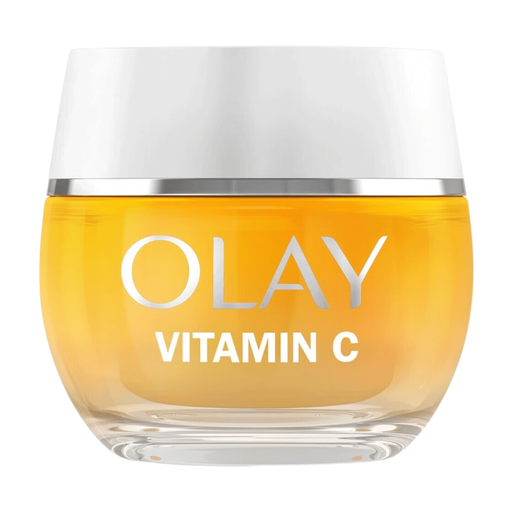
Why This Fits Their Persona: A practical starting point for UK shoppers wanting one morning moisturiser with brightening ingredients and SPF 30.
It combines Vitamin C, niacinamide and labelled SPF 30, so buyers can check the formula rather than relying on a vague “glow” claim.
Lightweight, non-greasy texture; refillable glass jar format; 24-hour hydration stated in the product description.
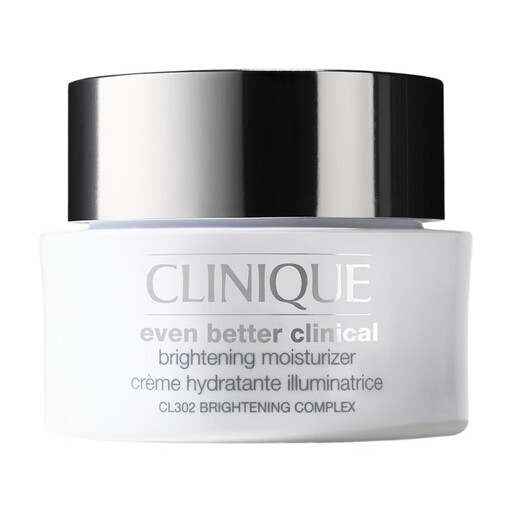
Why This Fits Their Persona: Suits shoppers seeking a fragrance-free, oil-free cream with hydration and a more structured brightening routine.
The formula details identify Vitamin C derivative, salicylic acid, hyaluronic acid and a fragrance-free format instead of leaving the active profile unclear.
Oil-free and non-acnegenic according to the product description; no added fragrance.
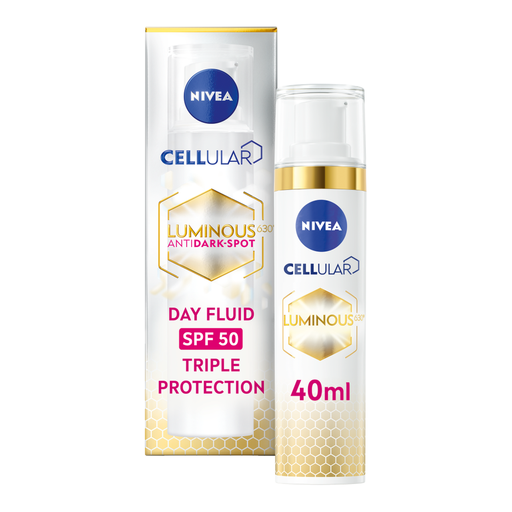
Why This Fits Their Persona: A daytime option for commuters, outdoor workers and shoppers who prioritise high labelled SPF alongside pigmentation-focused care.
It states SPF 50 and UVA/UVB filters clearly, while the fluid format is designed for daytime use rather than being mistaken for a night cream.
Contains hyaluronic acid and Vitamin E; the product description also notes an oil-control, mattifying finish.
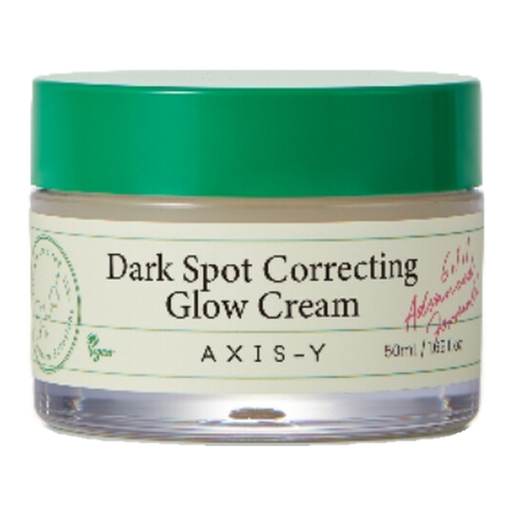
Why This Fits Their Persona: Its gel-to-water texture suits layered Korean brightening skincare routines and users who dislike a heavy finish.
The stated 2% alpha-arbutin and 5% niacinamide levels make the brightening profile easier to compare with other products.
Includes Ceramide NP and several forms of hyaluronic acid; fragrance-free according to the product description.
We have compiled a complete, real-time list of products that fully satisfy these strict selection criteria and UK safety regulations.
Apply after cleansing, usually as the final skincare step. Introduce one new active product at a time and patch-test first. During the morning, apply enough SPF face moisturiser to cover the face, neck and other exposed areas, following the product directions. Reapply during extended outdoor exposure.
Avoid applying products to broken or irritated skin, and stop using them if redness, itching, swelling or persistent stinging occurs. If a dark mark changes noticeably, bleeds or does not look like ordinary pigmentation, seek advice from a qualified healthcare professional rather than relying on cosmetic skincare.
No cosmetic moisturiser can promise complete removal. These products are designed to moisturise and may help improve the appearance of dullness or uneven tone with consistent use. Results vary according to the type of pigmentation, routine, sun exposure and individual skin.
Check the product directions. SPF formulas are intended for daytime use, while a dedicated night cream can focus on hydration and brightening ingredients without sun filters. Some products, such as Axis-Y, are listed for morning and evening use.
Check the open-jar period and packaging instructions. Storage in a cool, dry place away from direct sunlight can help maintain product quality. Sunscreen products should be replaced according to the stated shelf-life guidance, especially if the texture, smell or appearance changes.