
24/7 全天候客户支持

免费退货

当日/次日达

品质保障

开启新人专享福利: 全场免邮 | 低至 2 折 | 免费试用 30 天 JoyPlus 会员
下载 Joybuy
A dark spot serum can be a useful addition to a skincare routine when the aim is to improve the appearance of post-acne marks, sun-related discolouration or an uneven-looking complexion. However, choosing by bold packaging claims alone can lead to wasted money, irritation or a routine that is difficult to maintain.
The right product depends on its active ingredients, texture, fragrance profile and how easily it fits into your daily routine. This guide explains the key checks to make before buying, followed by practical product matches for different UK skincare shoppers.
A high percentage does not automatically make a serum suitable for your skin. For example, niacinamide, vitamin C, tranexamic acid and exfoliating acids can all appear in brightening formulas, but their texture, supporting ingredients and potential irritants vary considerably.
Check the complete ingredient list rather than relying on phrases such as “instant glow” or “high potency”. Fragrance, essential oils, drying alcohol and exfoliating acids may be less comfortable for reactive skin, even when the product is marketed as gentle.
Dark spots and post-acne marks generally need consistent care. A product that promises visible changes within a few days may create unrealistic expectations. Cosmetic serums can improve the appearance of dullness and uneven tone over time, but results differ according to the cause of discolouration, skin type and daily sun exposure.
Apply a broad-spectrum sunscreen during the day. Without regular UV protection, existing marks may appear more noticeable and new discolouration can develop.
Layering a vitamin C serum, a hyperpigmentation serum, a retinoid and several exfoliating products at once can make a routine harder to tolerate. Start with one targeted serum and introduce it gradually. If redness, stinging, itching or swelling develops, stop using it and follow the product safety instructions.
The ingredient should match your main concern:
These percentages are product specifications, not a guarantee of individual results.
A lightweight gel or watery serum is usually easier to apply under moisturiser and SPF, particularly for oily, combination or acne-prone skin. A richer or more viscous formula may suit shoppers who also want hydration.
Look for details such as “fast absorbing”, “non-sticky” and “non-greasy”, but remember that finish is personal. Apply a small amount first and allow it to settle before adding other products.
For sensitive skin, compare the ingredient list for fragrance, essential oils, alcohol and acids. A sensitive skin dark spot serum should still be patch-tested before full-face use.
Follow the label’s directions, avoid the eye area and do not apply to broken or irritated skin. Store vitamin C products away from direct sunlight and heat where instructed. Always check the packaging for the latest ingredients, batch information and shelf-life details.
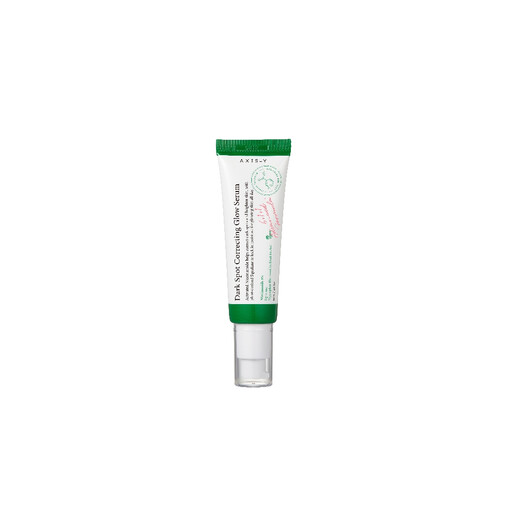
Why This Fits Their Persona: A 50ml lightweight gel is practical for someone starting a daily brightening routine and wanting an all-over or targeted application.
Its listed 5% niacinamide concentration is clear, avoiding vague percentage-free brightening language. It also contains squalane and glycerin for a moisturising feel.
50ml size; gel texture; includes niacinamide, squalane and sodium hyaluronate.
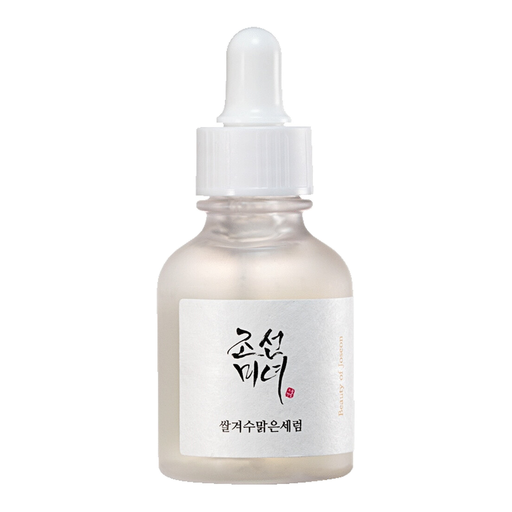
Why This Fits Their Persona: This watery Korean brightening serum suits shoppers who value a short, clearly positioned formula with a soft dewy finish.
The formula identifies 2% alpha-arbutin and 68% rice bran water, allowing buyers to compare ingredients rather than depend on an instant-radiance promise.
Fragrance-free formula; no essential oils listed; lightweight 30ml texture.
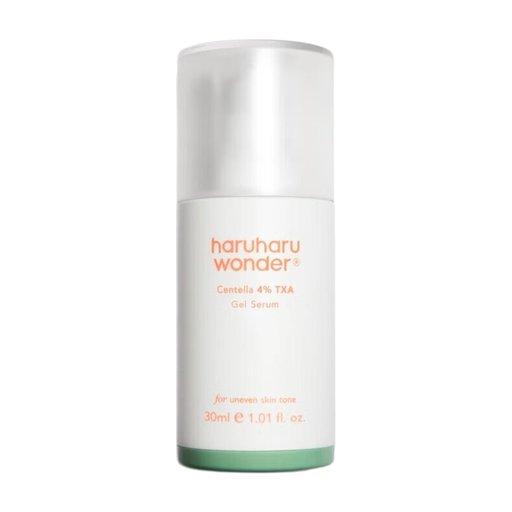
Why This Fits Their Persona: A focused option for shoppers comparing tranexamic acid serum formulas for uneven tone and post-acne marks.
Its 4% TXA and 4% niacinamide levels are stated clearly. The formula is also listed without artificial fragrance, drying alcohol or parabens.
Light gel texture; centella complex; airless pump packaging listed in the product description.
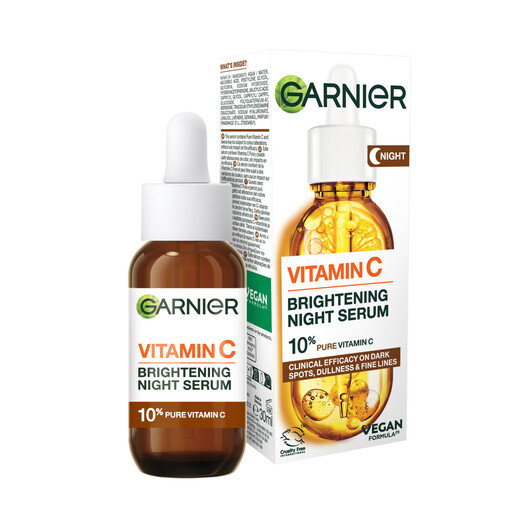
Why This Fits Their Persona: Its night-specific positioning suits shoppers who prefer a simple evening routine before moisturiser.
The stated 10% pure vitamin C content is more useful for comparison than an unspecified “brightening complex”. The instructions also specify nightly use and daytime SPF.
30ml size; contains sodium hyaluronate; fast-absorbing water-based texture.
We have compiled a complete, real-time list of products that fully satisfy these strict selection criteria and UK safety regulations.
A serum for uneven skin tone is not a substitute for medical assessment. Seek advice from a GP or qualified healthcare professional if a mark changes rapidly, bleeds, becomes painful or does not resemble ordinary pigmentation.
There is no single formula suitable for every person. Compare the active ingredient, texture and sensitivity considerations with your routine. Niacinamide, alpha-arbutin, tranexamic acid and vitamin C serum options are all represented in different product types, so the practical choice is the one you can use consistently and comfortably.
Some formulas are designed for morning and evening use, while others are intended for night-time application. Follow the product label, start gradually and avoid combining several strong actives immediately. Daytime SPF remains important when addressing visible pigmentation.
The lifespan depends on the bottle size, number of drops used and frequency of application. A 30ml bottle may last longer when used as a targeted post-acne marks serum, while all-over application uses more product. Check the packaging for expiry or period-after-opening guidance and store it as directed.