
24/7 Customer Support

Free returns

Same-day & Next-day Delivery

Quality Guaranteed

Unlock Your Welcome Offers: FREE Delivery | Up to 80% OFF | Free 30-day JoyPlus trial
Download the APP
A dark spot serum can be a useful addition to a simple skincare routine, but choosing one based only on a “brightening” label can lead to wasted money. UK shoppers often compare vitamin C serum, niacinamide serum and Korean dark spot serum formulas without checking whether the ingredients, texture and usage instructions suit their skin.
The most common buying pitfalls are:
Different ingredients are used for different skincare goals:
Ingredient percentages are useful, but they do not tell the whole story. The supporting ingredients, packaging and texture also influence whether a product fits your routine.
A serum for uneven skin tone should be comfortable enough for regular use. Lightweight gel or watery textures may suit oily and combination skin, while formulas containing glycerin, hyaluronic acid, squalane or propolis can appeal to those seeking additional hydration.
If your skin is sensitive, inspect the ingredient list for fragrance, denatured alcohol, essential oils and exfoliating acids. Their presence does not automatically make a product unsuitable, but it may affect your choice. Always follow the product’s warning label and consider a patch test before applying a new formula across your face.
UV exposure can contribute to the appearance of uneven tone and may make dark marks harder to manage. Apply a broad-spectrum sunscreen during the day, particularly when using vitamin C or exfoliating acids. A dark spot serum cannot replace SPF.
Also check the product’s PAO symbol, usually shown as an open jar with a number of months. Store the serum as directed, away from excessive heat and direct sunlight, and replace it according to the packaging guidance.
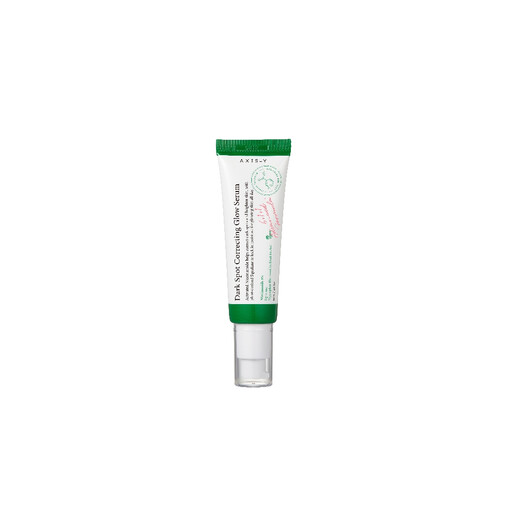
Why This Fits Their Persona: A 50ml lightweight gel format gives beginners a practical all-over serum for daily routines, including oily, combination and acne-prone skin.
The product clearly lists 5% niacinamide and avoids relying only on vague “glow” wording. Its light texture is less likely to feel heavy when layered.
Contains niacinamide, sodium hyaluronate, squalane and botanical extracts; supplied in a larger 50ml size.
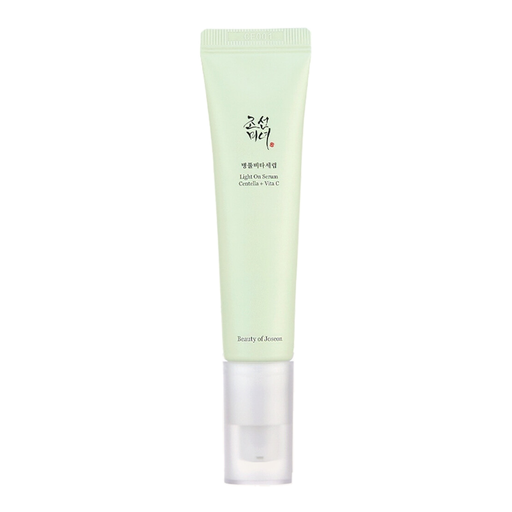
Why This Fits Their Persona: Suitable for shoppers who want a refined Korean dark spot serum with a fresh finish and soothing support for sensitive-feeling skin.
It uses 3-O-Ethyl Ascorbic Acid rather than presenting an unspecified vitamin C claim, alongside centella and panthenol.
Lists 10% 3-O-Ethyl Ascorbic Acid and 68% centella extract; lightweight, non-greasy formula.
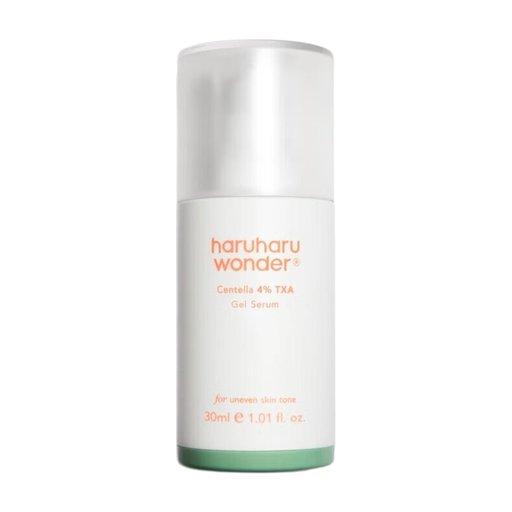
Why This Fits Their Persona: A focused option for users comparing a tranexamic acid serum for persistent-looking uneven tone and post-acne marks.
The active concentrations are stated clearly: 4% tranexamic acid and 4% niacinamide. The airless pump is designed to limit unnecessary exposure to air.
Includes centella components and a featherlight gel texture; listed without artificial fragrance or drying alcohol.
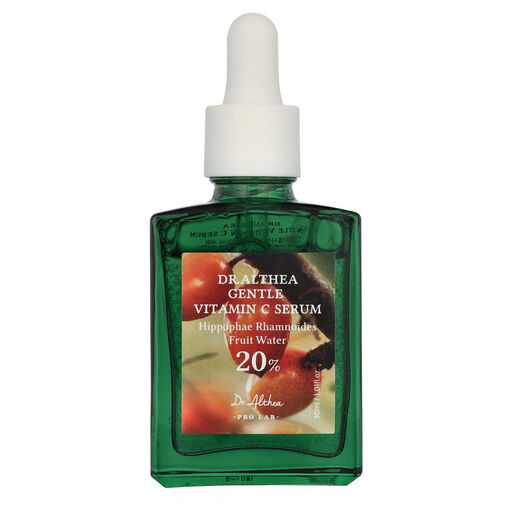
Why This Fits Their Persona: A beginner-friendly brightening serum for people who prefer a short ingredient list, watery texture and easy layering.
It identifies the vitamin C derivative and includes soothing ingredients such as green tea water, allantoin and dipotassium glycyrrhizate.
Contains 3-O-Ethyl Ascorbic Acid, 5% niacinamide and sodium hyaluronate in a formula with under 20 listed ingredients.
We have compiled a complete, real-time list of products that fully satisfy these strict selection criteria and UK safety regulations.
For acid-based formulas, reduce frequency if your skin feels dry or uncomfortable. Do not apply products to broken or irritated skin.
There is no single formula suitable for everyone. Look for a sensitive skin brightening serum with a clear ingredient list, a comfortable texture and fewer potential irritants. Centella, panthenol, glycerin and hyaluronic acid may be useful supporting ingredients, while fragrance and exfoliating acids may not suit every user.
Check the open-jar PAO symbol on the packaging rather than relying on a fixed timeframe. A 30ml bottle may last several weeks or months depending on whether it is used once or twice daily and whether it is applied to the whole face or only selected areas. Keep the cap or pump clean and store the product as directed.
Many formulas are designed for daily use, but the correct frequency depends on the active ingredients. Niacinamide and hydrating formulas may fit morning or evening routines, whereas acid-based or higher-strength vitamin C products may require a slower introduction. Follow the label, patch test where appropriate and use daytime SPF.