
24/7 Customer Support

Free returns

Same-day & Next-day Delivery

Quality Guaranteed

Unlock Your Welcome Offers: FREE Delivery | Up to 80% OFF | Free 30-day JoyPlus trial
Download the APP
Dark marks can be caused by sun exposure, post-acne inflammation, hormonal changes or the natural ageing process. A targeted dark spot serum may help improve the appearance of uneven tone, but choosing one is not simply a matter of selecting the highest percentage on the label.
UK shoppers often waste money because a product sounds more powerful than it is suitable for their routine. The right choice depends on the active ingredients, your skin’s tolerance and whether you are using daily sun protection.
A higher concentration of vitamin C, niacinamide or tranexamic acid is not automatically more suitable. Strong formulas may cause dryness, stinging or visible irritation, particularly if your skin is sensitive or you already use exfoliating acids or retinoids.
Look for a formula that matches your experience level. A beginner-friendly brightening serum with a stable vitamin C derivative may be easier to use consistently than a stronger product that makes your skin uncomfortable.
A serum cannot replace sun protection. UVA and UVB exposure can contribute to the appearance of dark spots and make uneven tone more difficult to manage. In the UK, UV exposure still occurs on cloudy days and during winter, especially when spending time outdoors.
Apply a broad-spectrum SPF 50 facial sunscreen every morning and reapply after sweating, swimming or towel drying. Products such as tinted anti-pigmentation sun fluids can combine daily protection with a more even-looking finish.
Marketing may highlight results in a few days, but the appearance of hyperpigmentation usually changes gradually. According to individual brand studies or product descriptions, some formulas report visible improvements within specified time periods; these claims should not be treated as a guarantee for every user.
Take consistent photographs in similar lighting and allow several weeks before deciding whether a facial serum for dark spots suits you. Stop if persistent redness, itching or burning develops.
Different ingredients suit different shopping priorities:
Avoid layering several highly active products immediately. Introduce one anti-dark-spot serum at a time and patch test where appropriate.
A brightening serum may also contain moisturising ingredients such as glycerin, squalane, panthenol, sodium hyaluronate or hyaluronic acid. These can make a formula more comfortable, particularly for dry or mature skin.
Conversely, fragrance, denatured alcohol, essential oils or salicylic acid may not suit everyone. For example, the Estée Lauder Perfectionist Pro formula listed here contains salicylic acid, so shoppers with sensitive or damaged skin should take extra care and follow its warnings.
A 30ml bottle may be convenient for a morning and evening routine, while a 50ml serum may offer more product for all-over application. Airless pumps and opaque packaging can be useful for formulas containing light- or oxygen-sensitive ingredients.
The most suitable product is one you can apply consistently. A watery serum may layer well under moisturiser and make-up, while a richer formula may suit a drier evening routine.
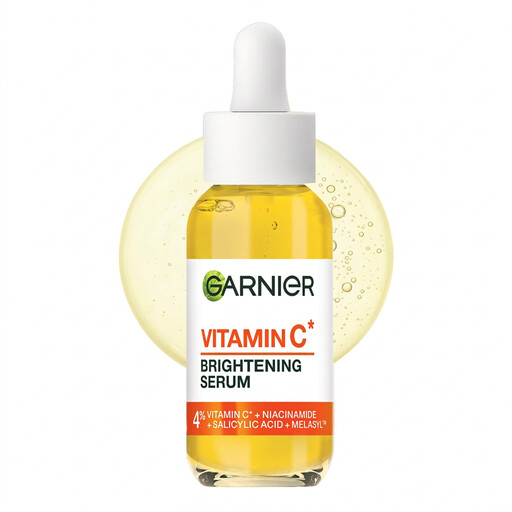
Why This Fits Their Persona: A straightforward option for shoppers building a daily brightening routine without choosing a highly specialised formula.
The listed formula identifies its active combination rather than relying on a vague “glow” claim: vitamin C derivative, niacinamide, salicylic acid and Melasyl.
Lightweight 30ml texture; includes niacinamide and salicylic acid. Use SPF in the morning and patch test if sensitive.
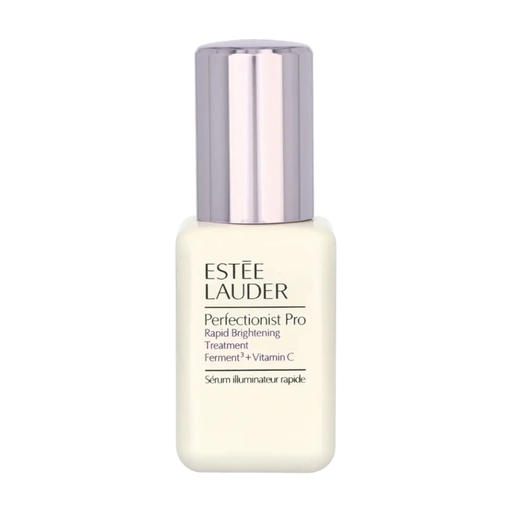
Why This Fits Their Persona: Suitable for shoppers wanting a multi-ingredient treatment with a serum-like texture for regular morning or evening use.
Its ingredient list is available for checking, including ascorbyl glucoside, sodium hyaluronate and squalane, rather than presenting brightening as a single mystery benefit.
Contains a vitamin C derivative, hydrating ingredients and multiple extracts. The listed formula also contains salicylic acid, which may not suit sensitive or broken skin.
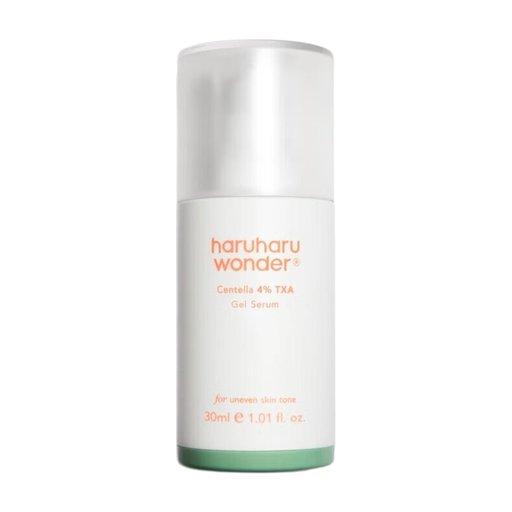
Why This Fits Their Persona: A practical match for shoppers looking for tranexamic acid alongside soothing centella ingredients and a light gel texture.
The formula specifies 4% tranexamic acid and 4% niacinamide, while also listing a centella complex. It is free from artificial fragrance according to the product information.
Lightweight gel; contains soothing centella components. Patch testing is recommended, especially for reactive skin.
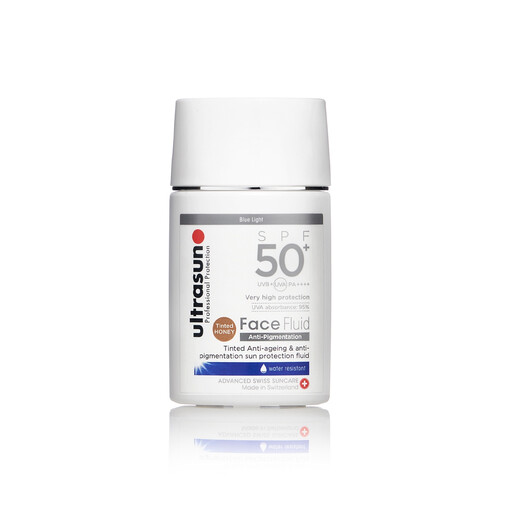
Why This Fits Their Persona: Designed for people who want a daily anti-pigmentation product with broad-spectrum SPF 50+ and a natural tint for commuting or outdoor routines.
It places UV protection at the centre of the routine, helping address the common mistake of using a dark spot serum without adequate daytime protection.
SPF50+ broad-spectrum protection; tinted finish; lightweight fluid texture. Apply generously and reapply after swimming, sweating or towel drying.
We have compiled a complete, real-time list of products that fully satisfy these strict selection criteria and UK safety regulations.
Check the packaging for the current ingredient list, period-after-opening symbol, batch information and storage instructions. Cosmetic products should be used externally only and kept away from children.
Visible changes vary by skin type, pigment depth, consistency and sun exposure. Allow several weeks of regular use before assessing a product. Brand-reported timelines are not a personal guarantee, so focus on tolerability and gradual appearance changes.
They can appear in the same routine, but introducing both simultaneously may make it difficult to identify the cause of irritation. Start with one formula, use it consistently and add the second only if your skin remains comfortable.
Yes. Daily broad-spectrum sunscreen is an important part of managing the appearance of uneven tone, even in the UK. Use the amount directed on the packaging and reapply when exposure, sweating, swimming or towel drying reduces coverage.