
24/7 Customer Support

Free returns

Same-day & Next-day Delivery

Quality Guaranteed

Unlock Your Welcome Offers: FREE Delivery | Up to 80% OFF | Free 30-day JoyPlus trial
Download the APP
Dark spots, post-acne marks and uneven tone can make skincare shopping unnecessarily confusing. Search results are filled with brightening serums promising fast results, high percentages and “natural” ingredients, yet the most expensive formula is not automatically the right match for your skin.
Before buying a dark spot serum, watch for three common pitfalls:
The right choice depends on your skin type, preferred texture and the ingredients you are prepared to use consistently.
Different formulas focus on different aspects of visible discolouration:
Check the full ingredient list rather than relying only on the front label. Ingredients are generally listed in descending order of concentration, although cosmetic labelling rules allow some exceptions for low-level ingredients.
A lightweight gel can work well for oily or combination skin, while a creamier or bi-phase formula may feel more comfortable on dry skin. If you are choosing a serum for sensitive skin, consider avoiding unnecessary fragrance, drying alcohol or a long list of potentially irritating essential oils.
A formula described as non-comedogenic may appeal to acne-prone shoppers, but individual tolerance still varies. Introduce one new active product at a time and carry out a patch test according to the product guidance.
A 30ml bottle may be suitable for daily use, but the number of applications depends on whether you need two or three drops, a full dropper or a pump. Look for:
Avoid applying active products to broken or irritated skin. Stop use if persistent redness, itching, burning or swelling develops.
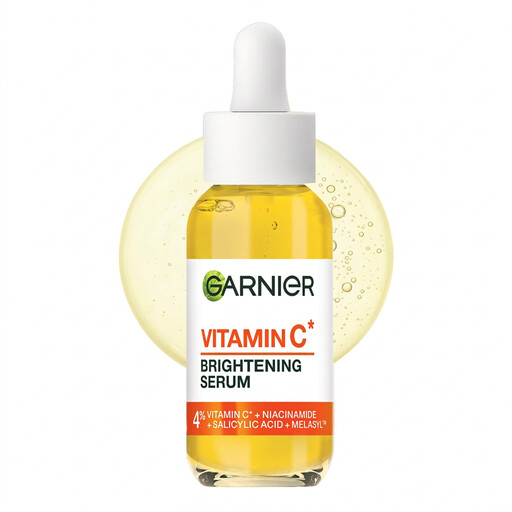
Why This Fits Their Persona: A straightforward option for shoppers starting a brightening routine and wanting one product for dullness and uneven-looking tone.
Its listed formula identifies a vitamin C derivative, niacinamide and salicylic acid, making the active profile clear rather than relying only on vague “glow” language.
Lightweight, fast-absorbing texture; includes glycerin and sodium hyaluronate for added hydration.
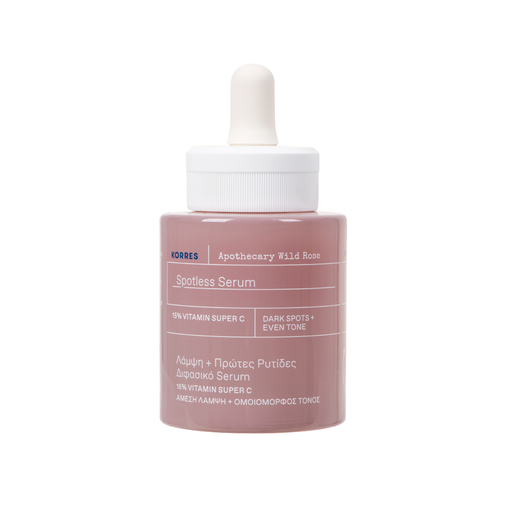
Why This Fits Their Persona: Suitable for shoppers who prefer a richer skincare experience and are comfortable shaking a bi-phase serum before application.
The two phases and directions are clearly stated, so users know the bottle must be mixed rather than treating separation as a product fault.
Contains an oil and water phase; includes squalane, panthenol and wild rose oil.
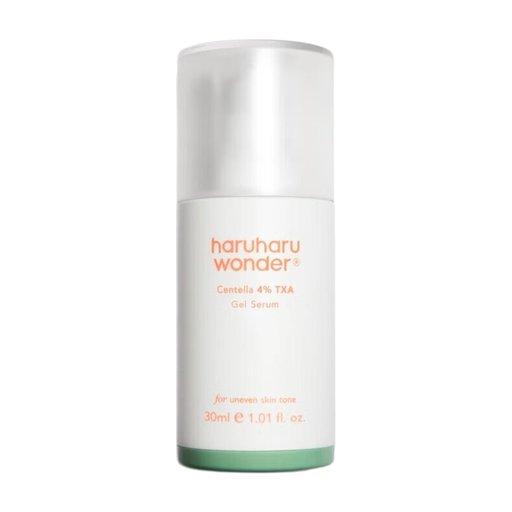
Why This Fits Their Persona: A practical match for shoppers comparing a Korean brightening serum with a light gel texture and a fragrance-free formulation.
The listing specifies 4% tranexamic acid and 4% niacinamide, while also identifying the absence of artificial fragrance and drying alcohol.
Includes centella-related ingredients; featherlight gel texture designed for morning or evening use.
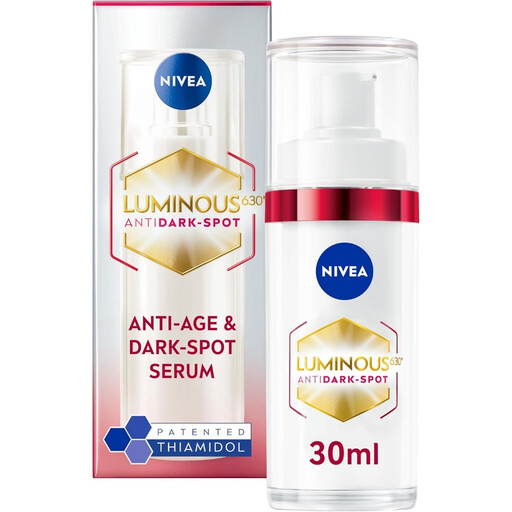
Why This Fits Their Persona: Designed for shoppers seeking one serum that addresses the appearance of age spots while adding moisture to a mature-skin routine.
The product information identifies its key active, hyaluronic acid and a twice-daily application limit, helping users avoid overusing the formula.
Contains Thiamidol and sodium hyaluronate; suitable for users seeking a moisturising serum format.
We have compiled a complete, real-time list of products that fully satisfy these strict selection criteria and UK safety regulations.
Apply your chosen uneven skin tone serum after cleansing, following the product’s directions. Start with a small amount and avoid introducing several strong actives at once. A simple routine could be:
Vitamin C, exfoliating acids and retinoids may all be found in the same wider routine, but layering them immediately can increase the chance of discomfort. Alternate products if your skin is reactive.
The appearance of dark spots generally changes gradually rather than instantly. Allow several weeks of consistent use while following the product directions. Results can vary according to the age of the mark, sun exposure, skin type and the formula used.
Many products are designed for daily use, but check the individual instructions. A vitamin C serum or niacinamide serum may be suitable for morning and evening use, while formulas containing salicylic acid or stronger active combinations may require a slower introduction.
Yes. Daily broad-spectrum sunscreen is an important part of a routine targeting visible discolouration because UV exposure can contribute to a less even-looking complexion. Apply SPF as the final morning skincare step and reapply as directed on the product label.