
24/7 Customer Support

Free returns

Same-day & Next-day Delivery

Quality Guaranteed

Unlock Your Welcome Offers: FREE Delivery | Up to 80% OFF | Free 30-day JoyPlus trial
Download the APP
Dark marks can appear after breakouts, sun exposure or periods of skin irritation, but choosing a suitable treatment is not always straightforward. A dark spot serum may contain vitamin C, niacinamide, tranexamic acid, exfoliating acids or botanical extracts, and each formula can feel and perform differently on the skin.
The main challenge is separating useful product information from polished marketing. Before buying an anti-dark-spot serum, watch for these common pitfalls:
A useful hyperpigmentation serum should clearly list its main ingredients rather than relying only on phrases such as “glow” or “radiance”.
Check the full ingredient list and avoid buying solely because the front label highlights one familiar ingredient.
Texture affects whether you will use a product consistently. Lightweight gels and water-based formulas may suit combination or oily skin, while bi-phase or oil-enriched formulas can be more comfortable for dry skin.
For sensitive skin, look for practical details such as fragrance-free, free from drying alcohol or dermatologically tested. These descriptions do not guarantee that irritation is impossible, so a patch test remains sensible. If you are prone to blemishes, a non-comedogenic formula may be preferable, although individual reactions can still differ.
Most facial serums in this selection hold between 30ml and 55ml. A 30ml bottle is compact and suitable for targeted use, while a larger 50ml or 55ml format may be convenient when applying across the entire face and neck.
Vitamin C products should be stored according to the packaging instructions and kept away from heat and direct sunlight. Introduce one new active product at a time, particularly if your routine already includes retinol, exfoliating acids or another brightening serum. Apply moisturiser afterwards, and use SPF in the morning.
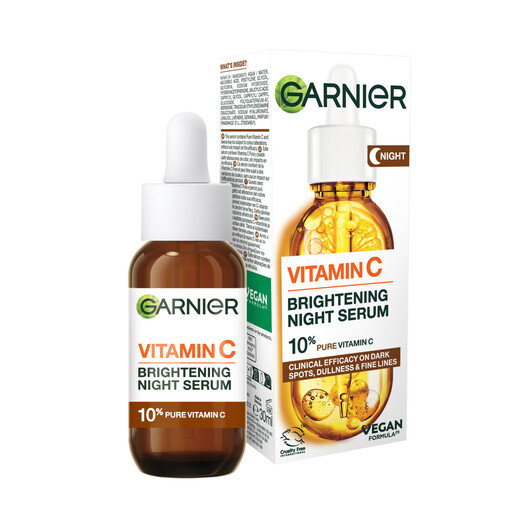
Why This Fits Their Persona: A straightforward night-time option for shoppers starting a simple brightening routine without adding several treatment steps.
Its intended evening use helps avoid combining several active products at once. The ingredient list clearly identifies 10% pure vitamin C, hyaluronic acid and salicylic acid.
Lightweight 30ml format; vegan formula and dermatologically tested according to the supplied product information.
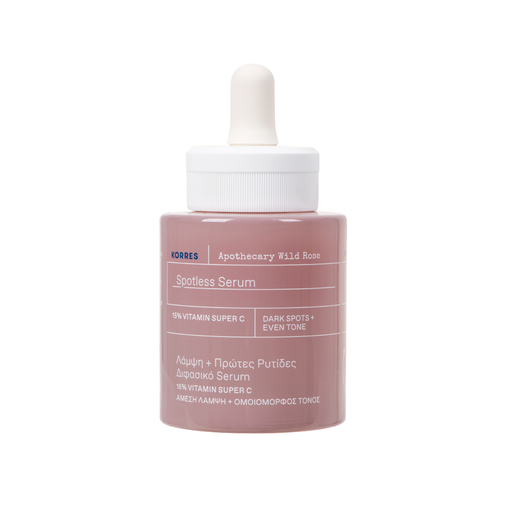
Why This Fits Their Persona: Suitable for shoppers who want brightening care alongside a more nourishing, glossy finish in a considered skincare routine.
The bi-phase design is visible from the product description, with instructions to shake before use. This makes the oil-and-water format a deliberate feature rather than a hidden texture surprise.
Includes 15% vitamin C derivative, 10% wild rose oil and 5% dark spot correction complex; listed as vegan-friendly and non-comedogenic.
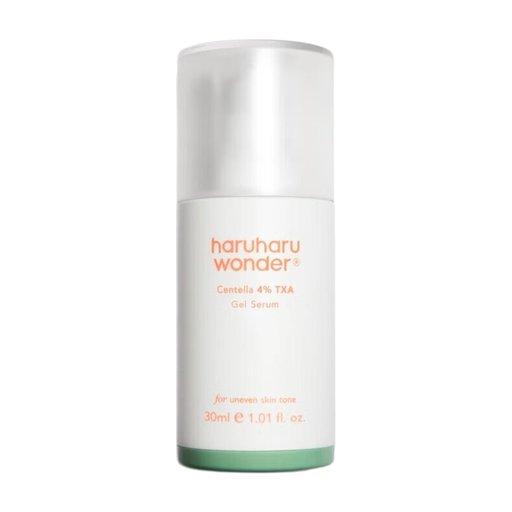
Why This Fits Their Persona: A focused choice for shoppers specifically comparing tranexamic acid and niacinamide for the appearance of stubborn marks or uneven tone.
It states the concentrations of tranexamic acid and niacinamide, so shoppers can compare the formula rather than relying on vague “high potency” wording.
Contains 4% tranexamic acid, 4% niacinamide and centella components; free from artificial fragrance and drying alcohol according to the supplied details.
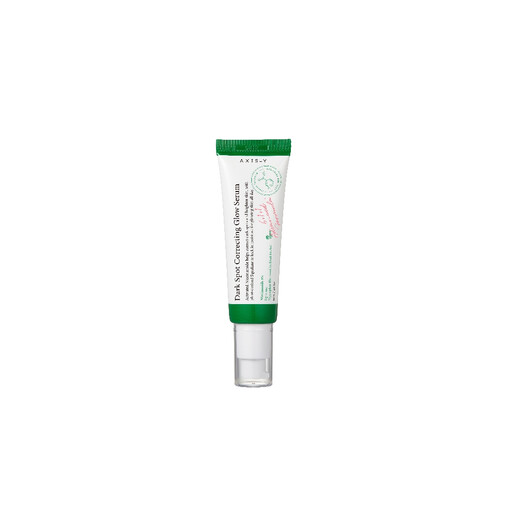
Why This Fits Their Persona: Its gel texture and larger 50ml size suit shoppers who prefer an easy morning-and-evening serum for all-over application or targeted use.
The product information specifies a 5% niacinamide formula and a lightweight gel texture, making its intended feel and active choice clear before purchase.
Contains niacinamide, squalane, sodium hyaluronate and botanical extracts; vegan-friendly and suitable for targeted or full-face application.
We have compiled a complete, real-time list of products that fully satisfy these strict selection criteria and UK safety regulations.
Avoid applying serum to broken, inflamed or irritated skin. Stop use if persistent redness, itching, stinging or a rash develops. A skincare professional can advise on ongoing or changing pigmentation concerns.
There is no universal timeframe. Skin may look fresher or more hydrated quickly, but the appearance of marks often requires consistent use over several weeks. Take photographs in similar lighting if you want to monitor gradual changes, and do not increase application frequency beyond the label instructions.
These ingredients are commonly found in the same formula, but combining separate products can increase the number of active steps in your routine. If you are new to brightening skincare, introduce one product first and use it consistently before adding another. Daily SPF remains important.
Some formulas are designed with sensitive or acne-prone users in mind, but suitability depends on the complete ingredient list and your personal tolerance. Patch test first, avoid damaged skin and be cautious with fragrance, essential oils, alcohol and exfoliating acids. If you are pregnant, nursing or receiving treatment for a skin condition, seek appropriate professional advice before using targeted pigmentation treatment.