
24/7 Customer Support

Free returns

Same-day & Next-day Delivery

Quality Guaranteed

Unlock Your Welcome Offers: FREE Delivery | Up to 80% OFF | Free 30-day JoyPlus trial
Download the APP
Dark spots, age spots, post-acne marks and uneven tone can be difficult to address, particularly when product descriptions promise rapid or dramatic changes. The right anti-dark spot serum should fit your skin type, routine and tolerance—not simply feature the longest ingredient list.
This guide explains the main buying pitfalls, the specifications worth checking and our top recommendations for different skincare needs.
A high concentration of vitamin C, niacinamide or exfoliating acids may sound appealing, but stronger formulas can be uncomfortable for sensitive or blemish-prone skin. Irritation may make a complexion look more uneven, especially if you apply several active products together.
Check the full ingredient list and consider how the serum fits with your cleanser, exfoliant, retinoid or other treatments.
Some brightening serum for face formulas create an immediately smoother or more luminous appearance through moisturising ingredients and light-reflecting textures. That can be useful, but it does not necessarily mean the formula is designed for persistent pigmentation.
Look for a clearly stated active ingredient, such as niacinamide, vitamin C derivatives, tranexamic acid or a brand-specific pigment-care ingredient. Treat brand efficacy statements as product claims rather than guaranteed outcomes.
Sun exposure can contribute to the appearance of uneven tone and may make dark marks more noticeable. A serum for hyperpigmentation is not a substitute for sunscreen. In the morning, use a broad-spectrum facial sunscreen, ideally SPF50, as the final skincare step.
An SPF50 anti-dark spot face fluid can combine UV filters with moisturising or pigment-focused ingredients, making it convenient for daily UK routines.
For oily or acne-prone skin, a lightweight gel or water-based pigmentation serum may layer more comfortably. Mature or dry skin may prefer a creamier serum containing emollients, hyaluronic acid or barrier-supporting ingredients.
Sensitive skin shoppers should check for fragrance, essential oils, alcohol and exfoliating acids. “Suitable for sensitive skin” remains a product positioning statement, so patch testing is still sensible.
Most face serums contain around 30ml, while some options offer 50ml or more. Consider whether you will apply the product to the entire face or only selected areas. A fast-absorbing formula may be more practical under moisturiser and SPF, whereas a richer anti-ageing serum may suit an evening routine.
Always follow the packaging directions. Introduce one new active product at a time and stop use if persistent redness, burning, itching or discomfort occurs.
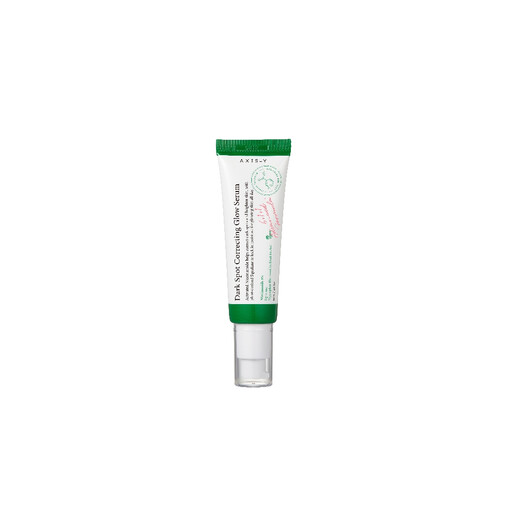
Why This Fits Their Persona: A 50ml lightweight gel is a practical starting point for shoppers wanting an all-over serum for uneven skin tone without a heavy finish. The listed formula is suitable for sensitive and acne-prone skin.
The ingredient list identifies 5% niacinamide rather than relying only on vague “glow” wording. It also includes squalane and sodium hyaluronate for moisture support.
50ml format; lightweight gel texture; includes niacinamide, squalane and botanical extracts; can be used all over or as a targeted spot treatment.
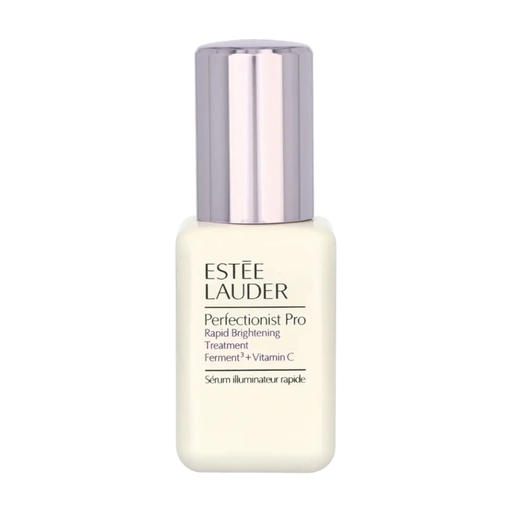
Why This Fits Their Persona: This is suited to shoppers seeking a refined daily treatment with a lightweight texture and a broader focus on dullness, hydration and visible unevenness.
Its ingredient list specifies ascorbyl glucoside, a vitamin C derivative, rather than presenting brightness as an undefined cosmetic effect.
Contains ascorbyl glucoside, sodium hyaluronate and squalane; lightweight 30ml treatment designed for morning and evening use.
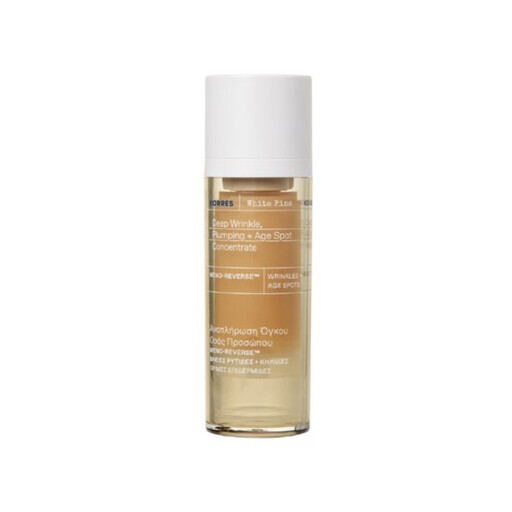
Why This Fits Their Persona: Designed for mature skin and shoppers who want an age spot serum combined with a richer anti-ageing routine for the face and neck.
The product is positioned specifically around deep wrinkles, plumping and age spots, so its intended use is clearer than a general radiance product.
30ml concentrate; listed 94.1% natural-origin content; includes white pine bark extract, glycerin and sodium hyaluronate.
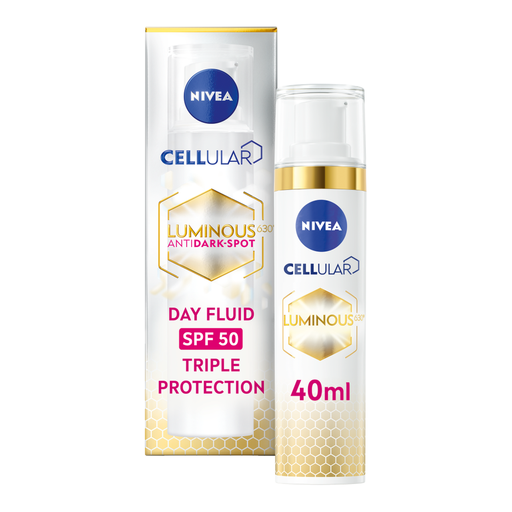
Why This Fits Their Persona: A convenient choice for UK shoppers who want their morning anti-spot step and high-factor facial sun protection in one lightweight fluid.
It clearly states SPF50 and UVA/UVB filters, addressing the common mistake of using a brightening serum without separate daytime protection.
SPF50 facial fluid; includes UVA/UVB filters, hyaluronic acid and vitamin E; designed for morning application.
Avoid layering several strong actives at once. If a mark changes rapidly, bleeds, becomes painful or concerns you, seek appropriate medical advice rather than relying on cosmetic skincare.
We have compiled a complete, real-time list of products that fully satisfy these strict selection criteria and UK safety regulations.
Some are formulated with sensitive skin in mind, but suitability varies. Check for fragrance, alcohol, essential oils and exfoliating acids, then patch test before applying to the full face. Stop use if irritation develops.
These ingredients are commonly found in the same modern formulas, but combining separate products may increase the chance of irritation depending on the rest of your routine. Introduce one product at a time and use moisturiser and SPF consistently.
There is no universal timeframe. The appearance of marks can vary according to sun exposure, skin sensitivity, the product’s ingredients and how consistently it is used. Compare progress under similar lighting and do not treat advertising timeframes as a guarantee.