
24/7 Customer Support

Free returns

Same-day & Next-day Delivery

Quality Guaranteed

Unlock Your Welcome Offers: FREE Delivery | Up to 80% OFF | Free 30-day JoyPlus trial
Download the APP
Dark marks from previous breakouts, sun exposure and uneven-looking tone can make skincare shopping surprisingly difficult. A dark spot serum may contain an impressive list of active ingredients, yet still be unsuitable for your skin type, routine or tolerance level.
The main challenge is separating useful product information from marketing language. A brightening serum should be selected by its active ingredients, texture, supporting formula and usage instructions, rather than by promises of rapid transformation.
A higher percentage does not automatically make a hyperpigmentation serum more appropriate. Concentrated vitamin C, exfoliating acids or multiple brightening ingredients may be uncomfortable for sensitive or already-irritated skin.
For many people, a consistent, lightweight formula used correctly is more practical than an aggressive treatment that causes dryness and gets abandoned.
A serum cannot replace daily sun protection. UV exposure can contribute to the appearance of recurring discolouration, so apply a broad-spectrum sunscreen in the morning, particularly when using exfoliating products.
It is also easy to over-layer a niacinamide serum, vitamin C serum, tranexamic acid serum and exfoliating treatment in the same routine. Introducing several new products at once makes it difficult to identify which formula is causing redness or stinging.
Some products mainly hydrate and improve the look of dullness, while others are formulated around ingredients such as niacinamide, tranexamic acid, alpha-arbutin or vitamin C derivatives. A toner or cleanser can complement a dark spot serum, but shorter-contact products may not provide the same targeted routine step as a leave-on serum.
Oily and acne-prone users may prefer a watery or gel serum that absorbs without a heavy residue. Drier skin may appreciate squalane, glycerin or hyaluronic acid, while combination skin can benefit from applying a smaller amount to oilier areas.
A product described as lightweight is not necessarily suitable for everyone, so check the full ingredient list for potential fragrance, essential oils, alcohol or exfoliating acids if your skin is easily reactive.
Vitamin C formulas and botanical blends should be stored according to the packaging instructions and kept away from prolonged heat and direct sunlight. Check the period-after-opening symbol, batch details, seal and ingredient list before use.
A 30ml bottle is common for a targeted serum, while a 50ml option may be more convenient when applying the formula across the face and neck. Always follow the manufacturer’s stated dosage rather than applying more in the hope of faster results.
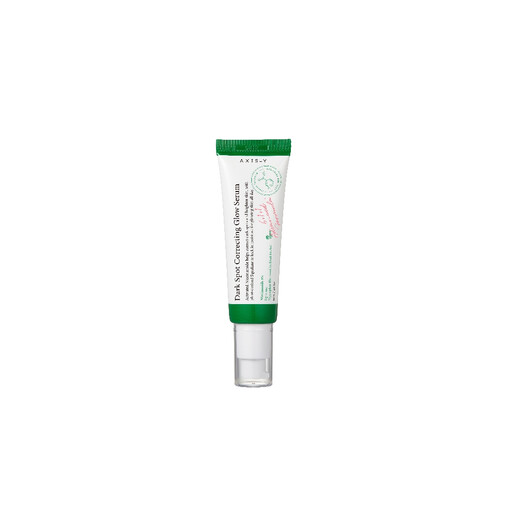
Why This Fits Their Persona: A practical all-over or targeted option for shoppers starting a simple brightening routine, with a 50ml size and lightweight gel texture.
The formula clearly lists 5% niacinamide rather than relying only on vague “glow” wording. It also includes glycerin, sodium hyaluronate and squalane for moisture support.
5% niacinamide; papaya, sea buckthorn and rice bran extracts; vegan-friendly lightweight gel texture.
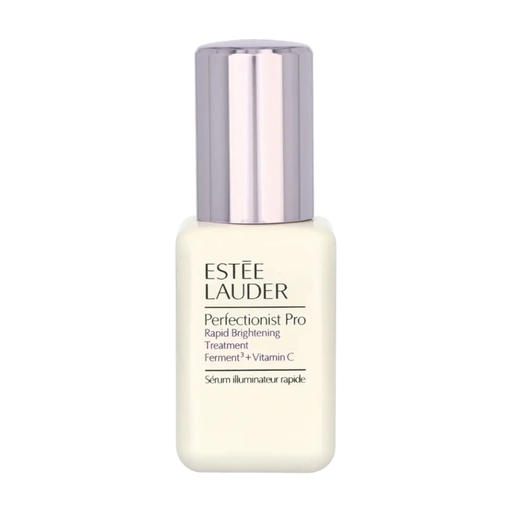
Why This Fits Their Persona: Suits users who want a refined daily treatment with a blend of brightening, hydrating and texture-supporting ingredients.
Its ingredient list identifies ascorbyl glucoside, sodium hyaluronate and squalane, allowing shoppers to assess the formula beyond premium positioning.
Contains a vitamin C derivative, squalane and sodium hyaluronate; lightweight texture designed for morning and evening use.
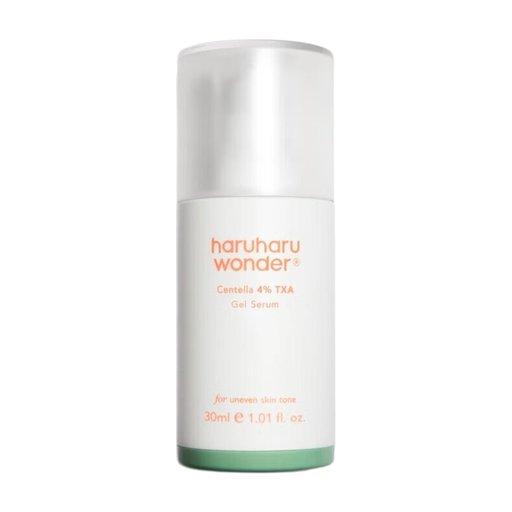
Why This Fits Their Persona: A Korean dark spot serum for shoppers specifically comparing tranexamic acid and niacinamide in a light gel format.
The formula specifies 4% tranexamic acid and 4% niacinamide, while the Centella complex and fragrance-free positioning provide useful comparison points for sensitive-skin shoppers.
4% TXA and 4% niacinamide; Centella ingredients; airless pump and featherlight gel texture.
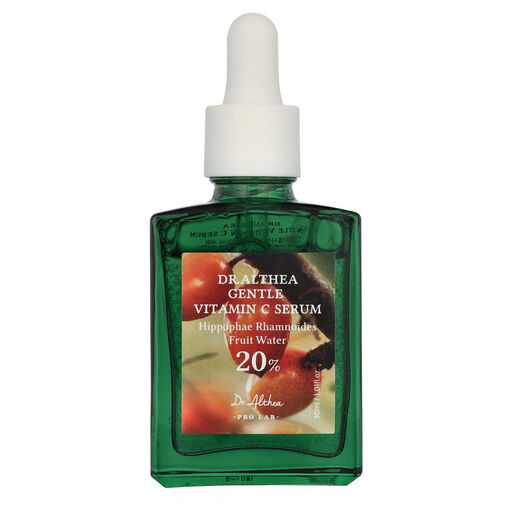
Why This Fits Their Persona: Designed for people introducing a vitamin C serum while preferring a watery, fast-absorbing texture and a shorter ingredient list.
It uses 3-O-Ethyl Ascorbic Acid alongside 5% niacinamide, rather than relying on an unspecified vitamin C claim. The product information also identifies a dual-layer capsule system.
5% niacinamide; stable vitamin C derivative; green tea water, allantoin and sodium hyaluronate.
We have compiled a complete, real-time list of products that fully satisfy these strict selection criteria and UK safety regulations.
If you experience persistent redness, itching, swelling or burning, stop using the product. Avoid applying serum to broken or inflamed skin, and seek medical advice for ongoing skin concerns.
Results vary according to the type of discolouration, product formula and consistency of use. Cosmetic serums generally require regular application over time rather than a single use. Follow the product directions and avoid increasing the amount or frequency without guidance.
Many modern formulas include both ingredients, but combining separate products can increase the complexity of your routine. Start one product at a time, patch test first and monitor how your skin responds. Morning use should be followed by sunscreen.
It can be, but suitability depends on the complete ingredient list and your individual tolerance. Lightweight, fragrance-free or barrier-supporting formulas may be preferable, while products containing acids, essential oils or denatured alcohol require closer consideration. Always check the current packaging and discontinue use if irritation develops.