Families moving from white or milk chocolate
A plainly labelled 70% bar offers a way to try dark chocolate without starting at 85%. Whether its flavour appeals to the intended eater is an individual choice.


If you are switching from white chocolate to a bar with a declared cocoa percentage, a plain 70% dark bar is a starting point to consider; choose 85% if the intended eater already likes a more intense cocoa flavour. Check the exact pack’s ingredients and allergen warnings. A snack bought for home during the holidays is a different decision from food provided by a school in England, where school-food rules cover chocolate as confectionery.
A plainly labelled 70% bar offers a way to try dark chocolate without starting at 85%. Whether its flavour appeals to the intended eater is an individual choice.
Compare the declared cocoa percentage and sugars on the same per-100g basis. Lindt lists 15 g sugars per 100 g for its Excellence 85% bar, while M&S lists 15.9 g per 100 g for its Collection Fairtrade 85% bar; those figures describe the named products, not every 85% bar.
Separate a household snack for the holidays from food provided by a school. For either purchase, read the current pack’s ingredient and allergen statements for the person who will eat it.
Start with where the chocolate will be eaten, then compare the exact bars by cocoa declaration, per-100g nutrition and pack labelling.
| Priority | What to check | Your needs |
|---|---|---|
| Cocoa and flavour | Look for the declared minimum cocoa solids. Compare sugars per 100 g on the exact packs: Lindt lists 29 g for Excellence 70% and 15 g for Excellence 85%. | Moving away from white chocolate, I would try a 70% bar before choosing a more intense 85% option. A lower sugars figure on these Lindt bars does not tell me which flavour someone will prefer. |
| Ingredients and allergens | Read the current ingredient list and both allergen and may-contain statements for the exact flavour and pack. Lindt says its reviewed 70% and 85% bars are made to vegan recipes but are not suitable for people with a milk allergy. | If I am buying for someone with an allergy, the word “dark” or a vegan-recipe description cannot replace the pack’s specific warning. |
| Home or school | Establish who will provide the snack. England’s Requirements for School Food Regulations 2014 define confectionery to include chocolate in any form except hot chocolate; Department for Education school-food guidance applies to England. | For a snack at home during the school holidays, I can choose by flavour and the intended eater’s needs. For food provided by a school in England, I would not select a chocolate bar. |
The reviewed 85% bars have lower listed sugars per 100 g than the named 70% comparators, but that comparison does not establish anyone’s flavour preference.
For a first switch from sweeter chocolate, consider a plainly labelled 70% bar. Choose 85% when the intended eater already enjoys a more intense cocoa flavour.
The reviewed Lindt bars carry precautionary allergen warnings, and Lindt says they are not suitable for people with a milk allergy. M&S also identifies allergy exclusions for its reviewed bars.
Check the physical pack for the exact cocoa percentage and flavour before choosing it for someone with an allergy.
England’s school-food rules concern food provided by schools. They do not govern a parent’s ordinary snack purchase for home during the holidays.
For school-provided food in England, do not select a chocolate bar. For a home purchase, assess the particular product and the intended eater’s needs.
These examples help identify particular product lines; a brand name alone does not establish a bar’s cocoa percentage or allergy suitability.
The Excellence plain dark range includes bars labelled 70% and 85% minimum cocoa solids, according to Lindt Shop UK.
M&S lists a 70% dark chocolate for baking and a Collection Fairtrade 85% dark bar.
Galaxy describes a Fusions Dark Chocolate with Raspberry Meringue product containing a minimum of 70% cocoa, as well as a 70% dark product.
Cadbury identifies Bournville Classic as a 100 g dark chocolate bar.
These bars offer labelled 70%, 72% and 85% dark chocolate options for a home school-holiday snack, including one raspberry variety. Choose by the intended eater’s flavour preference and the current pack label.
 No image available
A plain 70% option to consider when moving from sweeter chocolate. Check the current pack’s warnings for almonds, hazelnuts, other nuts and milk.
 No image available
A 72% dark bar for someone considering a cocoa level close to 70%. It contains soya; check the current pack for its other allergen warnings.
 No image available
An 85% option for an eater who already likes an intense, bitter cocoa flavour. Check the current pack’s warnings for almonds, hazelnuts, milk and other nuts.
 No image available
A high-cocoa option for someone who already prefers 85% dark chocolate. Check the current pack’s may-contain statements for gluten-containing cereals, milk, nuts and peanuts.
 No image available
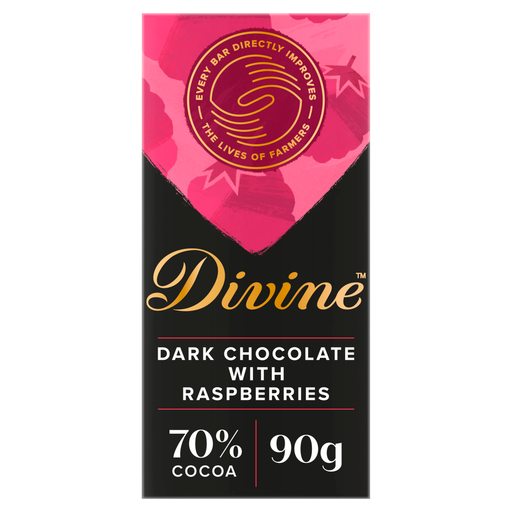
A fruit-included 70% option rather than a plain dark bar. Check the physical pack’s milk allergen statement before buying, particularly for someone with an allergy.
No. If you want a high-cocoa dark bar, check its stated cocoa-solids percentage rather than relying on the word “dark”. The reviewed 70% bars offer a different starting point from the more intense 85% options; choose for the intended eater’s tastes.
No. England’s Requirements for School Food Regulations 2014 define confectionery to include chocolate in any form except hot chocolate, and Department for Education school-food guidance applies to food served at school in England. That is distinct from a parent buying a snack for home during the holidays.
Not necessarily. Lindt says its reviewed Excellence 70% and 85% bars are made to vegan recipes but are not suitable for people with a milk allergy. Read the current pack’s ingredients and precautionary allergen wording for the exact bar.
No. M&S advises reading the product label because product information can change. Check the current physical pack, particularly when choosing for someone with a milk, nut or peanut allergy.