
24/7 Customer Support

Free returns

Same-day & Next-day Delivery

Quality Guaranteed

Unlock Your Welcome Offers: FREE Delivery | Up to 80% OFF | Free 30-day JoyPlus trial
Download the APP
As a Joybuy Product Recommendation Officer, my role is to help you navigate the crowded market of premium spirits. When it comes to high-end Japanese sake, the choices can be overwhelming. Labels are often filled with terms that, while meaningful, can be confusing. This guide is designed to clarify what makes a sake like Dassai 23 Junmai Daiginjo Sake 300ml a noteworthy choice and how to avoid common purchasing mistakes.
Many shoppers looking for a luxury Japanese sake gift or a personal treat fall into a few common traps. Understanding these can help you make a more informed decision.
To choose a genuine premium junmai daiginjo, focus on these three key specifications found on the label. They are the true indicators of quality and style.
This is the highest grade of sake. Let's break it down:
This number is crucial. For Dassai 23, the "23" indicates that each grain of rice has been polished until only 23% of it remains. This is an exceptionally low figure that requires immense technical skill and time. The result is a sake with remarkable purity, elegance and a highly aromatic profile, free from the heavier, savoury notes associated with less-polished rice. It is this dedication to refinement that places it in the ultra-premium sake category.
Often called the "King of Sake Rice," Yamada Nishiki is prized by brewers for its large, soft starch core and low protein content. It is difficult to cultivate but is ideal for creating the complex, fragrant and fruit-forward aromas characteristic of top-tier Daiginjo sake. A Yamada Nishiki rice sake is a strong indicator that the brewer has prioritised quality from the very beginning of the process.
We have matched some distinctive sakes to different user profiles to help you find the right fit for your occasion and palate.
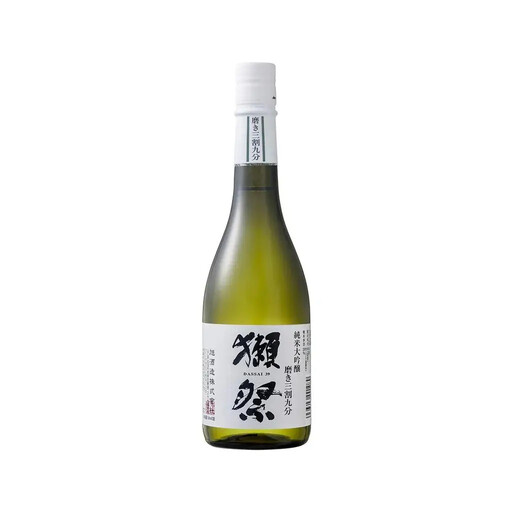
Why This Fits Their Persona: This is an ideal entry point into the world of premium Dassai sake. It offers a taste of the brand's signature elegant and fruity style without the price point of the 23, making it perfect for someone developing their palate for high-end sake.
It provides a balanced experience, avoiding the trap of paying for an extreme polishing ratio (like 23%) before one's palate can fully appreciate the subtle nuances.
Crafted from Yamada Nishiki rice polished to 39%. It delivers a harmonious profile of white peach and pear with a silky, clean finish.
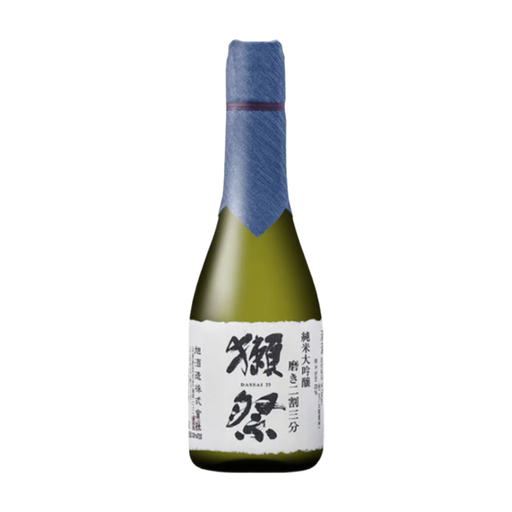
Why This Fits Their Persona: For those seeking the pinnacle of sake craftsmanship or a truly impressive luxury Japanese sake gift. This is a statement piece from the renowned Asahi Shuzo brewery, representing an uncompromising approach to quality.
The 300ml bottle size avoids waste, allowing for a focused, high-end tasting experience without the commitment or cost of a full-size bottle. It is perfectly portioned for a special toast.
Features an extraordinary 23% polishing ratio on Yamada Nishiki rice. It offers an incredibly smooth, clean and aromatic profile with notes of melon, peach and a long, elegant finish.
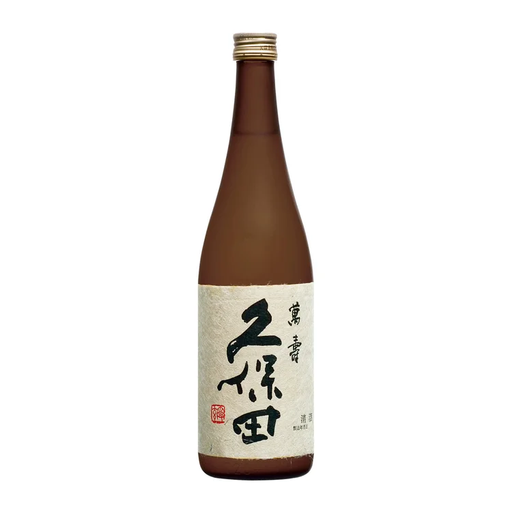
Why This Fits Their Persona: For those who prioritise how a sake complements a meal. Kubota Manju is a celebrated example of the crisp, clean and dry style from Niigata prefecture, designed to enhance food rather than overpower it. It is an excellent choice for pairing with delicate dishes.
It demonstrates that an extremely low polishing ratio isn't the only path to quality. Its 33% ratio (for the mash) creates a different, yet equally sophisticated, profile focused on balance and a clean finish.
Exhibits a sophisticated bouquet of honeydew melon and pear. Its velvety texture and crisp finish make it a superb pairing for **sashimi**, grilled fish and creamy cheeses.
We have compiled a complete, real-time list of products that fully satisfy these strict selection criteria and UK safety regulations.
To appreciate the delicate and complex aromatics of Dassai 23, it is recommended to serve it chilled, between 10-12°C. Serving it in a white wine glass, rather than a traditional small ochoko cup, will allow the aromas to collect and be fully appreciated, much like a fine wine.
For an ultra-premium sake like Dassai 23, it is best enjoyed within one year of the bottling date printed on the label to ensure you experience its peak freshness and vibrant character. It should be stored upright in a cool, dark place, with refrigeration being the ideal condition to protect its fragile aromatics.
The value of the Dassai 23 Junmai Daiginjo Sake 300ml lies in its purpose. It offers an accessible way to experience one of the world's most meticulously crafted sakes without committing to a larger, more expensive format. It is perfectly suited for a special toast for two, a focused solo tasting or as a highly impressive and thoughtful gift. The price reflects the extraordinary labour, time and quality of the Yamada Nishiki rice polished to just 23%.