
24/7 Customer Support

Free returns

Same-day & Next-day Delivery

Quality Guaranteed

Unlock Your Welcome Offers: FREE Delivery | Up to 80% OFF | Free 30-day JoyPlus trial
Download the APP
Dassai Otter Festival Junmai Daiginjo sake is often selected for its elegant packaging, fruit-led aroma and association with premium Japanese drinks. However, comparing Dassai 23 sake, Dassai 39 sake and Dassai 45 sake requires more than choosing the lowest number on the label.
For UK shoppers, the practical questions are just as important: how much sake will you use, where will you store it and does the flavour suit your meal or recipient? This guide explains the key differences and highlights common buying pitfalls before you order.
The numbers 23, 39 and 45 refer to the percentage of rice remaining after polishing. A lower figure generally means more of the outer rice has been removed, but that does not guarantee a flavour preference for every drinker. Some people may prefer a more delicate, restrained style, while others may enjoy a slightly rounder rice character.
Treat the polishing ratio as a useful specification, not a universal quality ranking.
A 720ml bottle can work well for dinner with guests, but it may be inconvenient if you are trying premium sake for the first time or only plan to serve a small tasting pour. Once opened, sake is generally best refrigerated and consumed within a few days while its aroma remains fresh.
For personal enjoyment, a 300ml Dassai sake bottle can reduce waste. For a dinner party or luxury sake gift, a 720ml bottle creates a more substantial presentation.
Premium sake is sensitive to heat, light and prolonged exposure after opening. Look for clear storage guidance, keep the bottle in a cool, dark place and refrigerate it after opening where the product instructions recommend this.
Do not judge a bottle solely by its packaging. Check the alcohol percentage, bottle size, ingredients, age restriction and storage instructions before purchase.
Junmai Daiginjo sake is made with highly polished rice, water, koji and yeast, without added distilled alcohol. The Dassai range uses Yamadanishiki sake rice, a variety widely associated with refined sake production.
These figures help compare production style, but flavour descriptions should still be considered. Product listings commonly describe notes such as white peach, pear, melon, floral sweetness, gentle acidity and clean minerality.
Choose according to how you expect to serve the sake:
A smaller bottle is not necessarily a lower-grade product. Both Dassai 23 and Dassai 45 are available in compact formats in the supplied range.
Dassai Junmai Daiginjo is commonly served lightly chilled. A wine glass can help direct the aroma towards the nose, while a small sake cup offers a more traditional presentation.
For sake for sushi and sashimi, serve it chilled alongside clean, lightly seasoned dishes. White fish, scallops, sea urchin, grilled seafood and mild cheeses are suitable pairing directions based on the listed flavour profiles. Strong chilli, heavy sauces or very salty foods may dominate a delicate sake.
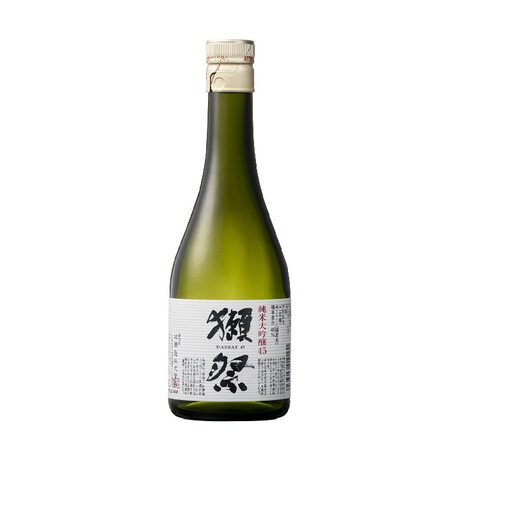
Why This Fits Their Persona: The 300ml format lets new drinkers explore a premium Japanese drink without committing to a full 720ml bottle. It is also convenient for a quiet evening or small toast.
The smaller bottle helps limit leftover sake after opening, while the 45% polishing ratio offers a straightforward entry point to Junmai Daiginjo sake.
300ml bottle; listed notes include white peach, Asian pear, melon and a clean finish.
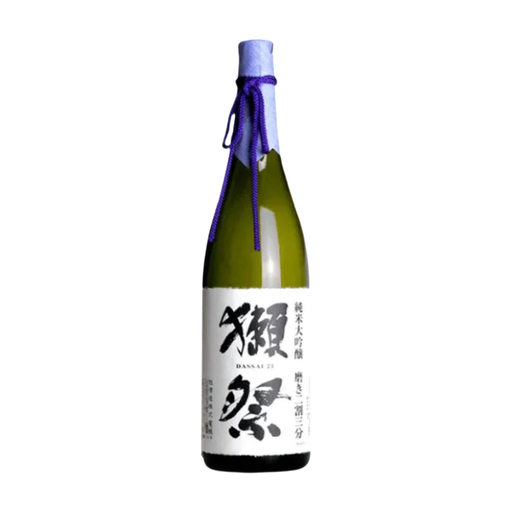
Why This Fits Their Persona: This 720ml bottle is suited to shoppers seeking a highly polished, elegant sake for refined dining, formal celebrations or presentation as a luxury sake gift.
The specification is clear: 23% of the Yamadanishiki rice remains after polishing. This gives shoppers a concrete feature to compare rather than relying only on luxury wording.
720ml size; listed aroma notes include white peach, melon, pear and subtle floral sweetness.
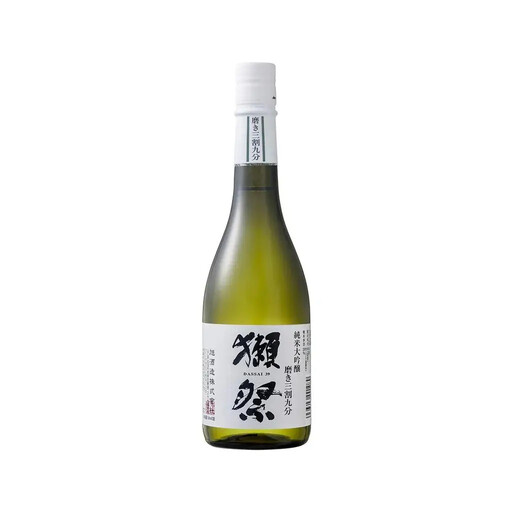
Why This Fits Their Persona: The 720ml size works for regular hosts, shared meals and customers who want one versatile bottle for seafood, sashimi and light dishes.
The 39% polishing ratio sits between the 23 and 45 versions, making it a useful middle option when you want aromatic refinement without selecting solely by the smallest number.
720ml bottle; listed profile includes pear, white peach, citrus, floral sweetness and gentle acidity.
We have compiled a complete, real-time list of products that fully satisfy these strict selection criteria and UK safety regulations.
Dassai 45 in a 300ml bottle is a practical starting point because it limits the quantity and offers a fruit-forward profile. Dassai 23 may suit someone specifically looking for a more delicate presentation or a premium gift. Personal taste, serving temperature and food pairing still matter more than the number alone.
Keep it away from direct sunlight and heat. Follow the product label, but refrigeration after opening is generally appropriate for maintaining freshness. Consume it within a few days where instructed, particularly for delicate Junmai Daiginjo styles.
Yes. Lightly chilled Dassai can complement sashimi, scallops, white fish, grilled seafood and other lightly seasoned dishes. Serve small pours first, then adjust the temperature and glassware to suit your preference. Buyers must be aged 18 or over and should drink responsibly.