
24/7 Customer Support

Free returns

Same-day & Next-day Delivery

Quality Guaranteed
Download the APP
Categories
Navigating the world of premium Japanese sake can be a rewarding journey, but it often comes with questions. You may have heard of Dassai, a name synonymous with quality, but find yourself puzzling over the numbers on the bottle: 23, 39, 45. What do they signify, and which one is the right choice for your palate, occasion or meal?
As a Joybuy Product Recommendation Officer, my role is to provide clear, practical guidance to help you make an informed decision. This article will demystify the differences between the core offerings from the renowned Asahi Shuzo brewery, allowing you to select the perfect bottle of Dassai Junmai Daiginjo Sake with confidence.
Before we look at specific bottles, understanding a few key concepts will help you appreciate what makes each Dassai expression unique.
The numbers 23, 39 and 45 on a bottle of Dassai refer to the seimaibuai, or rice polishing ratio. This figure represents the percentage of the original rice grain that remains after the outer layers have been milled away.
All Dassai sake is made from Yamadanishiki sake rice, often called the "king of sake rice," which is prized for its large, starchy core that is ideal for creating high-quality ginjo-style sakes.
The flavour profile of each Dassai variation lends itself to different culinary pairings. A more delicate and aromatic sake like Dassai 23 is an exceptional choice as sake for sashimi or other subtle dishes, as it complements without overpowering. A slightly more robust and versatile sake like Dassai 45 can stand up to a wider array of flavours, from grilled fish to light stir-fries.
Consider the context for your purchase. Are you looking for a remarkable gift for a connoisseur? A sophisticated bottle to celebrate a milestone? Or a high-quality introduction to the world of Junmai Daiginjo? Aligning the sake's profile with the occasion is key to a memorable experience when you buy Dassai online.
Here is a breakdown of the three main expressions to help you find the one that best suits your needs.
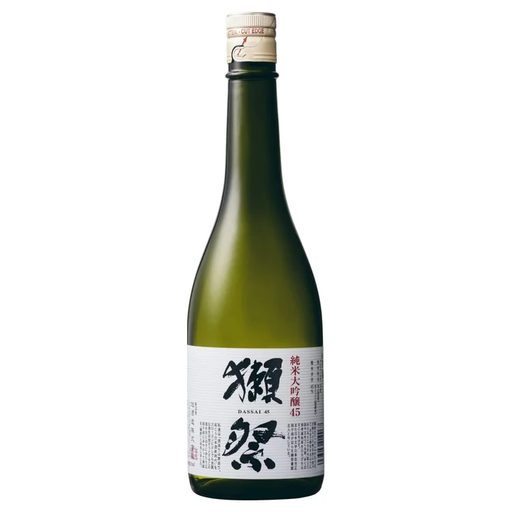
Why It Stands Out: Dassai 45 is often considered the gateway to the Dassai collection. With a 45% polishing ratio, it strikes a beautiful balance between fruity aromatics and the rich umami of the rice. The aroma presents notes of white peach, pear and cantaloupe, leading to a palate that is silky, clean and exceptionally smooth. It finishes with a crispness and a hint of lingering sweetness, embodying the brewery's philosophy of elegant balance.
Pros:
Who is it for? This is an excellent choice for those new to premium sake or for enthusiasts seeking a reliable, high-quality bottle for regular enjoyment or casual gatherings.
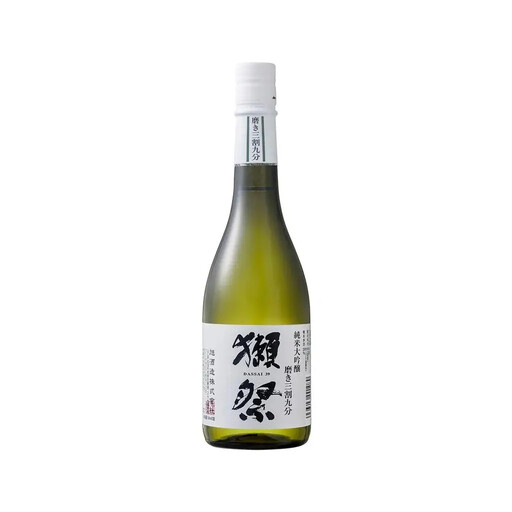
Why It Stands Out: As the polishing ratio drops to 39%, Dassai 39 reveals a noticeable increase in refinement and aromatic complexity. It presents a captivating bouquet of ripe white peach, Asian pear and subtle floral notes, layered with a clean minerality. The texture is exquisitely smooth and silky on the palate, balanced by a bright acidity that leads to a crisp, long finish. It is a harmonious blend of fruitiness and rice-driven depth.
Pros:
Who is it for? Perfect for sake drinkers who appreciate nuanced aromatics and a refined structure. It is an excellent choice for celebrating a special occasion or as a thoughtful gift for someone with a discerning palate.
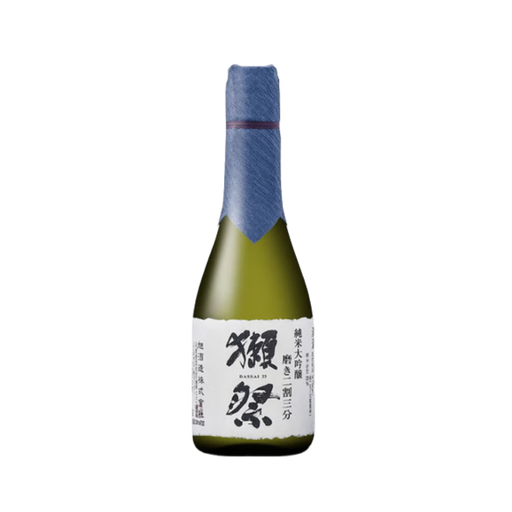
Why It Stands Out: Dassai 23 is the pinnacle of the Asahi Shuzo brewery's craft. Polishing the Yamadanishiki rice down to just 23% of its original size is an uncompromising pursuit of purity. The result is a sake of extraordinary clarity and elegance. The aroma is subtle and graceful, with delicate notes of melon, pear and white flowers. On the palate, it is remarkably light, smooth and clean, with a silky texture and a precise, lingering finish. There is no harshness, only pure harmony.
Pros:
Who is it for? This is a sake for connoisseurs, collectors and anyone looking to give a truly impressive gift. It is best reserved for moments of celebration or for pairing with the most delicate and refined cuisine, such as high-quality sashimi or oysters.
While Dassai offers a remarkable journey through the impact of rice polishing, the world of sake is vast and full of exciting discoveries. If you are interested in exploring other breweries, styles or regions, there is a wide selection waiting for you.
Explore Our Full Sake Collection
What does the number on a bottle of Dassai mean? The number (e.g., 23, 39, 45) indicates the rice polishing ratio, or seimaibuai. It is the percentage of the rice grain remaining after milling. A lower number signifies that more of the outer grain has been polished away, generally resulting in a more refined and aromatic sake.
How should I serve Dassai Junmai Daiginjo Sake? For the best experience, Dassai sake should be served lightly chilled, typically between 10-12°C. Serving it in a white wine glass, rather than a traditional small cup, allows its delicate and complex aromas to fully develop and be appreciated.
What is the main difference between Dassai 39 and Dassai 23? The primary difference lies in the degree of refinement. Dassai 23 is polished more extensively (to 23% vs. 39%), resulting in a lighter, cleaner and more delicately aromatic profile. While Dassai 39 is already very elegant, the 23 offers an even greater level of purity and smoothness, making it a benchmark for ultra-premium sake. The choice between them often comes down to the specific occasion and desired level of luxury.