
24/7 Customer Support

Free returns

Same-day & Next-day Delivery

Quality Guaranteed
Download the APP
Categories
Navigating the world of premium Japanese sake can be a rewarding journey, and for many, that journey leads to Dassai. Produced by the innovative Asahi Shuzo brewery, Dassai has become a benchmark for quality. Yet, with different numbers like 45, 39 and 23 on the labels, choosing the right bottle can feel perplexing. Are you looking for a versatile sake for a dinner party, a refined gift or the ultimate expression of craftsmanship for a special occasion?
As a Joybuy Product Recommendation Officer, my role is to provide clear, practical guidance to help you make an informed choice. This guide will demystify the numbers, explain what makes Dassai a leading name in Junmai Daiginjo sake and help you select the perfect bottle for your needs.
Before exploring our recommendations, understanding a few key concepts will help you appreciate the nuances between each expression.
The numbers on a bottle of Dassai—45, 39 and 23—refer to the Seimai Buai, or rice polishing ratio. This percentage indicates how much of the original rice grain remains after the outer layers have been polished away.
Dassai exclusively uses Yamadanishiki rice, often called the "king of sake rice." This specific grain is prized for its large, starchy core, which makes it ideal for creating the clean and complex flavour profiles found in premium Japanese sake. When you see a bottle of Yamadanishiki rice sake, you know it has been crafted with high-quality ingredients from the outset.
To fully appreciate the delicate aromatics of Dassai, it is recommended to serve it lightly chilled (around 10-12°C) in a wine glass. The wider bowl allows the sake's bouquet to open up. All Dassai expressions are known for their food-pairing versatility, but their clean profiles make them an excellent pairing for sashimi, grilled white fish and other delicate dishes.
Here are our recommendations from the Dassai range, each offering a distinct experience.
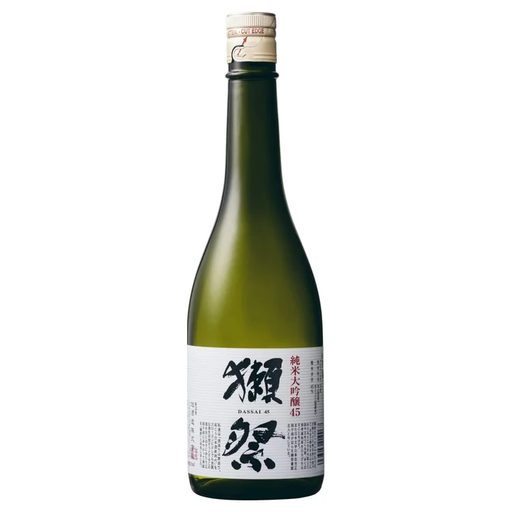
Why It Stands Out: Dassai 45 is the most accessible introduction to the Dassai collection, yet it makes no compromises on quality. With a 45% polishing ratio, it delivers the brand's signature clean and fruity style. The aroma is a delightful mix of white peach, pear and cantaloupe, leading to a palate that is silky smooth and beautifully balanced. It finishes crisp and clean, with a pleasant, lingering sweetness.
Pros:
Who is it for? This is an ideal choice for those new to premium Japanese sake or for anyone seeking a high-quality, versatile bottle for regular enjoyment or casual gatherings. It offers a clear taste of the Dassai philosophy without the price point of the more highly polished expressions.
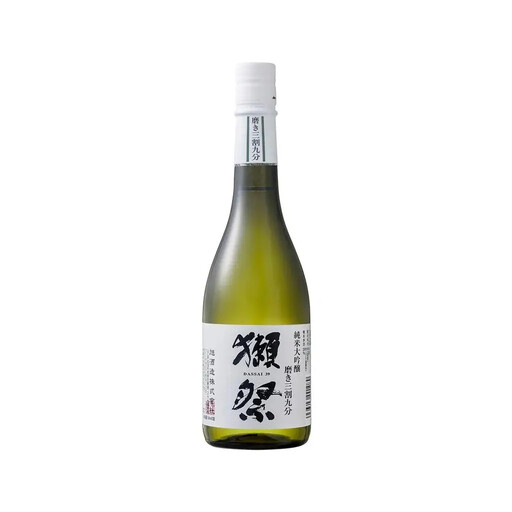
Why It Stands Out: Representing a significant step up in refinement, Dassai 39 is crafted from rice polished to 39%. This extra polishing results in a sake with greater aromatic complexity and a more delicate structure. Expect layers of white peach, pear and subtle citrus notes, all underpinned by the gentle umami of the rice. The texture is exquisitely smooth, leading to a crisp, lingering finish that feels both luxurious and refreshing.
Pros:
Who is it for? Sake enthusiasts who appreciate nuance and complexity will find much to admire in Dassai 39. It is also an excellent choice for a sophisticated gift or for celebrating a special meal, offering a clear step up in elegance.
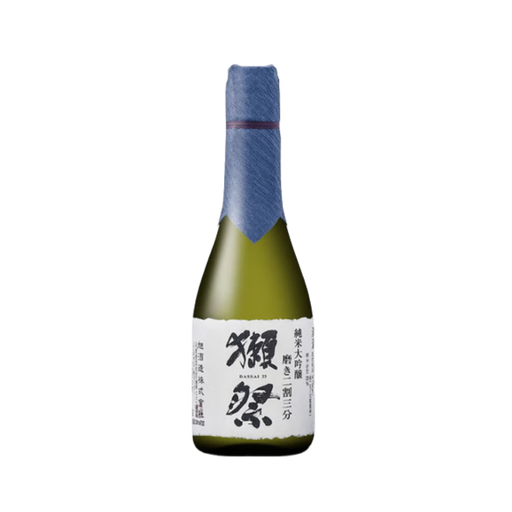
Why It Stands Out: Dassai 23 is the pinnacle of the Asahi Shuzo brewery's craft. The rice is painstakingly polished until only 23% remains, a feat of technical mastery that results in a sake of extraordinary purity and finesse. The aroma is subtle and ethereal, with notes of melon, peach and delicate florals. On the palate, it is remarkably light and smooth, with a pristine clarity and a finish that is long, clean and precise. It is a harmonious and sophisticated drinking experience.
Pros:
Who is it for? This is for the connoisseur, the collector and anyone looking to mark a truly special occasion. If you want to experience the peak of what Junmai Daiginjo sake can be, Dassai 23 is the definitive choice.
While Dassai offers a fantastic journey through the world of premium sake, it is just one of many exceptional producers. If you are interested in exploring a wider selection of styles and breweries, from robust Junmai to fragrant Ginjo, we invite you to browse our complete collection.
Explore Our Full Range of Sake Rice Wine
The numbers refer to the rice polishing ratio, or Seimai Buai. It is the percentage of the rice grain that remains after polishing. A lower number, like Dassai 23, means more of the grain has been polished away, typically resulting in a more refined, aromatic and delicate sake.
Dassai is renowned for its exclusive focus on producing high-quality Junmai Daiginjo sake, the highest grade of sake. The brewery combines traditional methods with modern technology, uses only premium Yamadanishiki rice and is transparent about its polishing ratios, setting a standard for quality and consistency in the industry.
Dassai sake is best served chilled, between 10-12°C. Serving it cold preserves its delicate and complex fruit and floral aromas, which can be lost when heated. Using a wine glass instead of a traditional small cup can further enhance the aromatic experience.